Why Keto Doesn't Have to Feel Like a Deprivation Diet
Let's be honest — the idea of giving up bread, pasta, rice, and sugar sounds miserable to most people. When you first hear about the ketogenic diet, the mental image is often someone sadly nibbling on a plain chicken breast while dreaming of pizza. But here's what the low-carb community has figured out: keto doesn't have to feel like punishment. In fact, when you know which foods to lean into, it can be genuinely satisfying, flavorful, and surprisingly easy to maintain.
The ketogenic diet works by drastically reducing carbohydrate intake and replacing it with fat, which shifts your body into a metabolic state called ketosis. In ketosis, your body becomes efficient at burning fat for energy. But the practical reality of eating this way day after day comes down to one thing: having a roster of delicious, filling foods that make you forget you're even on a "diet."
🔥 Secure US Health Notice: If you want to naturally flush out harmful toxins, flatten your stomach, and crush intense sugar cravings, you can check out the premium organic cleanse currently trending across the USA. Click Here to Claim Your Exclusive 50% Official US Store Discount Today!
The foods that make keto sustainable aren't exotic superfoods or expensive specialty products. They're whole, nutrient-dense foods that happen to be naturally low in carbs and high in the things that keep you full: healthy fats, quality protein, and fiber. Let's talk about the keto-friendly foods that are making low-carb eating feel not just doable, but genuinely enjoyable.
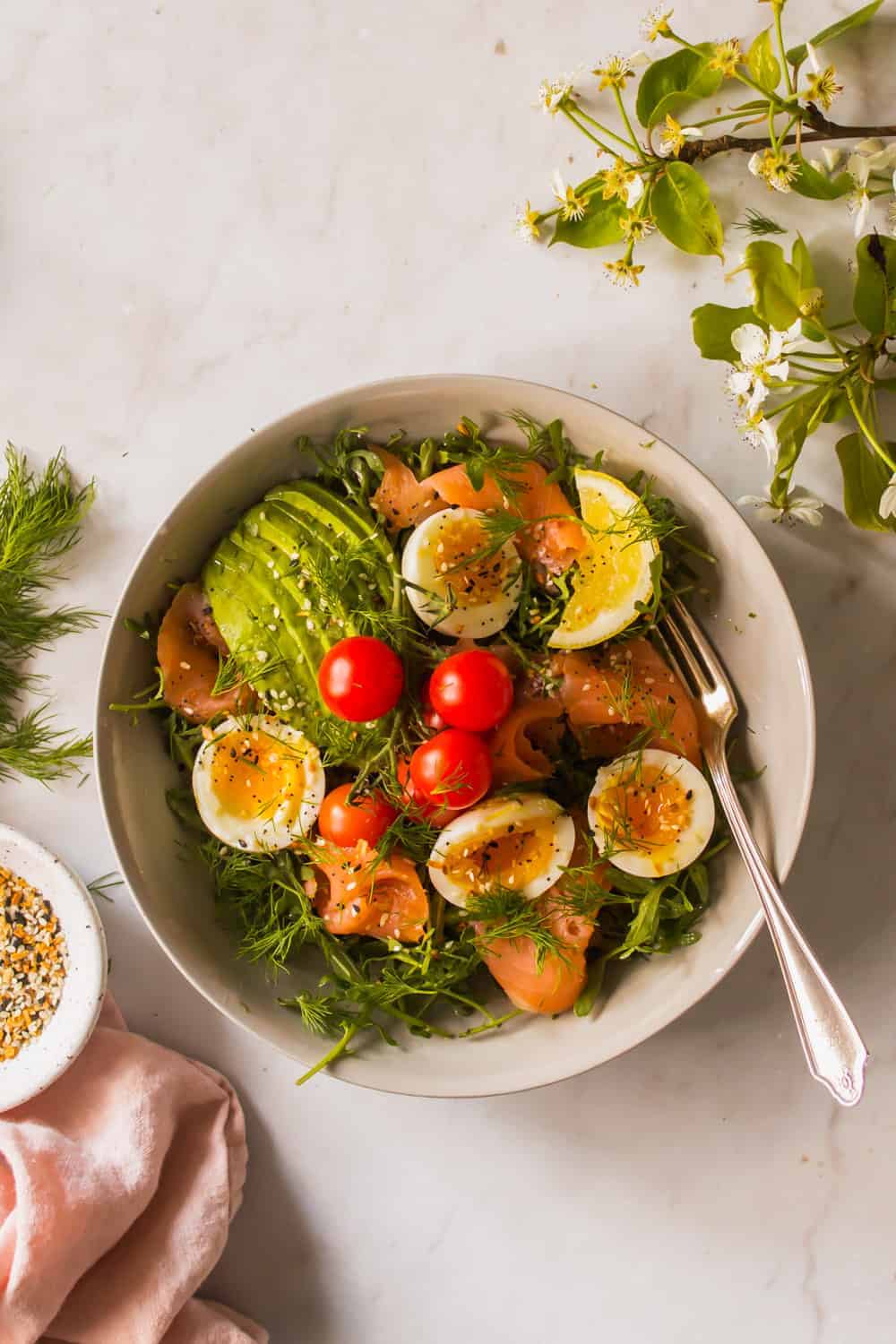
The Keto Foods That Make All the Difference
Avocados: The Ultimate Keto Staple
If there's one food that defines the keto lifestyle, it's the avocado. A single medium avocado contains about 240 calories, 22 grams of fat, 3 grams of protein, and only 2 grams of net carbs. It's creamy, versatile, and incredibly satisfying. Slice it onto eggs, mash it into guacamole, blend it into smoothies, or simply eat it with a sprinkle of salt and a drizzle of olive oil.
Avocados are also packed with potassium — a mineral many people are deficient in, especially when transitioning to keto. The "keto flu" that some people experience during the first week is often partially due to electrolyte imbalances, and avocados help address that naturally. Plus, the monounsaturated fats in avocados support heart health, which matters when you're increasing your overall fat intake.
The beauty of avocados is their adaptability. They work at breakfast, lunch, dinner, and even as a dessert base when blended with cocoa and a low-carb sweetener. If you're doing keto and not eating avocados regularly, you're missing out on one of the easiest wins in the diet.
Eggs: Nature's Perfect Low-Carb Package
Eggs are the unsung heroes of keto. They're affordable, widely available, incredibly nutritious, and contain virtually zero carbs. A large egg provides about 6 grams of protein, 5 grams of fat, and a impressive array of vitamins and minerals including choline, selenium, and B vitamins. The protein in eggs is also highly bioavailable, meaning your body can use it efficiently.
What makes eggs particularly valuable on keto is their versatility. Scrambled, fried, poached, hard-boiled, baked into a frittata, or used as a binder in keto baking — eggs show up everywhere. They form the base of countless keto breakfast options, but they're just as useful for lunch and dinner. A simple dinner of eggs cooked in butter with spinach and cheese is satisfying, complete, and takes ten minutes.
Don't fear the yolk. On keto, the yolk is where most of the nutrients and healthy fats live. Eating whole eggs rather than just whites is not only more nutritious but also more filling, which helps with the satiety that makes keto sustainable long-term.
Fatty Fish: Flavor and Nutrition Combined
Salmon, mackerel, sardines, and trout are keto powerhouses. They're high in protein, loaded with omega-3 fatty acids, and contain zero carbs. A 6-ounce serving of salmon delivers about 34 grams of protein and 18 grams of fat, along with significant amounts of vitamin D, B12, and selenium. The omega-3s in fatty fish are particularly valuable on keto, as they help balance the omega-6 fats that can be overconsumed from other fat sources.
Fatty fish also feels indulgent in a way that makes keto feel less restrictive. A perfectly seared salmon fillet with crispy skin, a drizzle of lemon butter, and a side of roasted asparagus doesn't feel like diet food — it feels like a restaurant meal. And yet it's perfectly aligned with keto macros.
🔥 Secure US Health Notice: If you want to naturally flush out harmful toxins, flatten your stomach, and crush intense sugar cravings, you can check out the premium organic cleanse currently trending across the USA. Click Here to Claim Your Exclusive 50% Official US Store Discount Today!
Canned options like sardines and mackerel are budget-friendly and shelf-stable, making them excellent pantry staples. Toss them onto a salad, mix them with mayo and herbs for a quick spread, or eat them straight from the can with hot sauce. The convenience factor is hard to beat.
Non-Starchy Vegetables: Volume Without the Carbs
One of the biggest mistakes new keto dieters make is thinking vegetables are off-limits. They're not — you just need to choose the right ones. Leafy greens (spinach, kale, arugula), cruciferous vegetables (broccoli, cauliflower, Brussels sprouts), zucchini, bell peppers, asparagus, and mushrooms are all low in net carbs and high in fiber, vitamins, and minerals.
Cauliflower deserves special mention because it's become the darling of the keto world. Riced cauliflower stands in for rice. Mashed cauliflower replaces potatoes. Cauliflower pizza crust gives you the experience of pizza without the carb load. It's not identical to the real thing, but it's close enough to satisfy cravings while keeping you in ketosis.
These vegetables add volume, color, and nutrition to your plate without pushing you over your carb limit. They also provide the fiber that supports digestive health — something that can be challenging when you're cutting out grains and legumes. A big salad with leafy greens, avocado, olive oil, and grilled chicken is a keto meal that feels abundant rather than restricted.
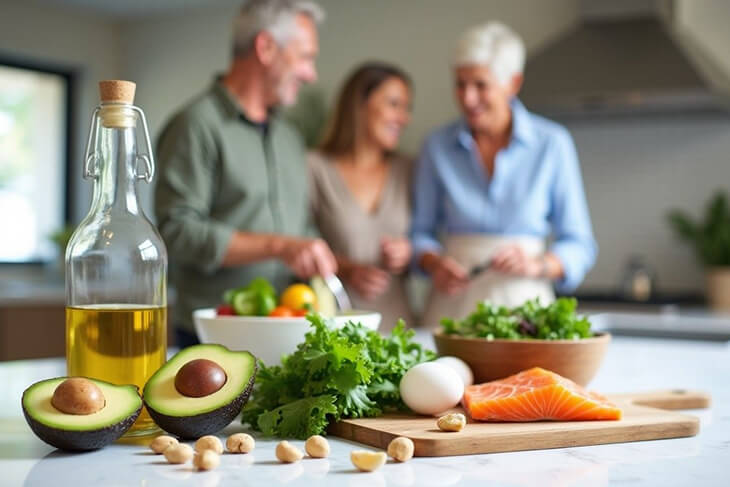
Nuts, Seeds, and Healthy Oils
Macadamia nuts, pecans, walnuts, almonds, and Brazil nuts are excellent keto snacks when eaten in moderation. They're calorie-dense, so portion awareness matters, but a small handful provides satisfying fat, protein, and crunch. Macadamia nuts are particularly keto-friendly due to their very high fat content and minimal carbs.
Seeds like chia, flax, hemp, and pumpkin seeds add texture, nutrition, and healthy fats to meals. Chia seeds soaked in coconut milk with a splash of vanilla make a simple keto "pudding" that's genuinely delicious. Ground flaxseed can be used in keto baking or sprinkled over salads.
Healthy oils are the backbone of keto cooking. Extra virgin olive oil, avocado oil, coconut oil, and butter (or ghee) provide the fat needed to hit your macros while adding flavor and satiety. Don't be afraid to use them generously — on keto, fat is your friend, not your enemy.
Keto Food Comparison: Macros at a Glance
| Food | Net Carbs (per serving) | Fat | Protein | Why It Works on Keto |
|---|---|---|---|---|
| Avocado (1 medium) | 2g | 22g | 3g | Creamy, filling, electrolyte-rich |
| Eggs (2 large) | 1g | 10g | 12g | Affordable, versatile, nutrient-dense |
| Salmon (6 oz) | 0g | 18g | 34g | Omega-3s, zero carbs, feels indulgent |
| Spinach (2 cups raw) | 1g | 0g | 1g | Volume, nutrients, minimal carbs |
| Macadamia Nuts (1 oz) | 2g | 21g | 2g | Highest fat nut, minimal carbs, crunchy |
Benefits of Focusing on These Keto Foods
When you build your keto diet around whole, nutrient-dense foods like the ones above, something interesting happens. You stop feeling deprived. A breakfast of eggs, avocado, and sautéed spinach is genuinely satisfying. A lunch of salmon over a big salad with olive oil dressing feels like a treat. Snacking on macadamia nuts or cheese with cucumber slices keeps hunger at bay without the blood sugar rollercoaster.
These foods also provide the micronutrients that can be lacking in a poorly planned keto diet. Leafy greens deliver magnesium and potassium. Eggs provide choline for brain health. Fatty fish offer anti-inflammatory omega-3s. Avocados contribute fiber and heart-healthy monounsaturated fats. When you eat this way, keto isn't just about weight loss — it's about nourishing your body with high-quality fuel.
Perhaps the biggest benefit is sustainability. The reason so many diets fail is that they're miserable to follow. When your meals are flavorful, varied, and filling, you're far more likely to stick with the approach long enough to see results. These keto-friendly foods make that possible.
🔥 Secure US Health Notice: If you want to naturally flush out harmful toxins, flatten your stomach, and crush intense sugar cravings, you can check out the premium organic cleanse currently trending across the USA. Click Here to Claim Your Exclusive 50% Official US Store Discount Today!
What to Watch Out For
Not all keto-friendly foods are created equal, and not everything labeled "keto" is actually good for you. Processed keto snacks — bars, chips, cookies — may be low in carbs but are often loaded with artificial ingredients, sugar alcohols that cause digestive distress, and inflammatory seed oils. Just because something fits your macros doesn't mean it supports your health.
Dairy is another area where moderation matters. Cheese and heavy cream are keto staples, but they're calorie-dense and can be inflammatory for some people. If you find yourself relying on cheese for every meal, consider diversifying your fat sources with more avocados, nuts, and olive oil.
Also, remember that keto is a tool, not a religion. It works well for many people, but it's not the only path to health. Some individuals don't feel their best in ketosis, and that's okay. Listen to your body. If you're experiencing persistent fatigue, hair loss, or other concerning symptoms, consult a healthcare provider and consider whether keto is the right approach for you.
Expert Tip: Build Meals Around Fat and Protein First
Here's a practical framework that makes keto meal planning effortless: start with your protein and fat source, then add low-carb vegetables. Instead of thinking "what can I have?" think "what protein sounds good?" — chicken thighs, salmon, eggs, or steak. Add a generous fat source — avocado, olive oil, butter, or nuts. Then fill the rest of your plate with non-starchy vegetables. This approach naturally creates balanced, satisfying keto meals without obsessive macro counting.
Keep your kitchen stocked with the staples we've discussed, and you'll always have options. A well-stocked keto pantry means you're never more than fifteen minutes away from a delicious, compliant meal. That's the difference between a diet that feels hard and one that feels like second nature.
Frequently Asked Questions
Can I eat fruit on keto?
Most fruits are too high in carbs for standard keto, but small portions of berries — strawberries, raspberries, blackberries — can fit into your daily carb limit. They're lower in sugar than other fruits and provide antioxidants and fiber. Just measure your portions and track your carbs.
Is dairy necessary on keto?
No, dairy is optional. While cheese, butter, and heavy cream are popular keto foods, you can follow a dairy-free keto diet using coconut products, olive oil, avocados, nuts, and fatty meats as your primary fat sources. Some people feel better without dairy.
How do I know if I'm actually in ketosis?
Signs include reduced appetite, increased energy, mental clarity, and a distinct change in breath odor (often described as fruity or acetone-like). You can also use urine test strips, blood ketone meters, or breath analyzers for confirmation, though many experienced keto dieters go by how they feel.
Can I do keto as a vegetarian?
Yes, though it's more challenging. You'll rely heavily on eggs, dairy, avocados, nuts, seeds, and low-carb vegetables. Plant-based protein sources like tofu and tempeh can work in moderation, but you'll need to be more strategic about hitting your protein and fat targets without going over on carbs.
Will I gain weight back if I stop keto?
Weight regain is possible with any diet if you return to the eating patterns that caused weight gain initially. If you transition off keto, do it gradually by slowly increasing carbs from whole food sources like vegetables, fruits, and legumes rather than jumping back to processed foods and refined sugars.
Highly Recommended: Don't let silent digestive struggles slow you down. Give your gut the deep organic refresh it deserves. Go to the Official US Online Store and Order Your Toxic OFF Supply While Stock Lasts!
Final Thoughts
The ketogenic diet gets a reputation for being restrictive, but it doesn't have to feel that way. When you focus on the foods that make keto genuinely enjoyable — creamy avocados, perfectly cooked eggs, rich salmon, abundant vegetables, and satisfying nuts — you discover that low-carb eating can be both nourishing and delicious.
The people who succeed long-term on keto aren't the ones with the most willpower. They're the ones who've built a repertoire of meals they actually look forward to eating. They've learned that fat is flavorful, that vegetables are your friends, and that feeling satisfied is the secret to sticking with any eating approach.
If you're curious about keto or struggling to make it work, start by adding more of these foods to your plate. Don't obsess over perfection. Don't stress about every gram of carbs. Focus on whole, nutrient-dense, satisfying foods, and let the rest fall into place. Keto doesn't have to be hard — it just has to be done with the right ingredients.
🎥 Recommended Video
Watch: Easy Keto Meal Ideas and Low-Carb Recipes
Remember: This article is for informational purposes only and does not constitute medical or nutritional advice. The ketogenic diet may not be appropriate for everyone. Consult a qualified healthcare provider before making significant dietary changes, especially if you have existing health conditions.


0 Comments