I used to believe that real stress relief required a significant time investment. An hour at the gym. A long meditation session. A weekend away from everything. The idea that something as simple as ten minutes of stretching and breathing could actually calm my nervous system felt almost too easy to be true.
Then life got busy. Really busy. Between work deadlines, family obligations, and the constant hum of digital notifications, my anxiety started showing up in physical ways. Tight shoulders. Clenched jaw. That restless feeling in my chest that made it hard to fall asleep at night. I needed something practical, something I could actually sustain, not another ambitious wellness plan I'd abandon by Wednesday.
So I committed to ten minutes of yoga every morning for thirty days. No fancy equipment, no studio membership, no prior experience. Just me, a yoga mat, and a handful of simple poses I learned from a free video. The results surprised me. My sleep improved. My shoulders loosened. And most importantly, I developed a reliable tool for managing anxiety that I could use anywhere, anytime.
Research supports what I experienced. Studies indicate that regular yoga practice can reduce cortisol levels, improve heart rate variability, and decrease symptoms of anxiety and depression. The key insight is that you don't need an elaborate practice to see benefits. Even brief, consistent sessions can shift your body's stress response in meaningful ways.
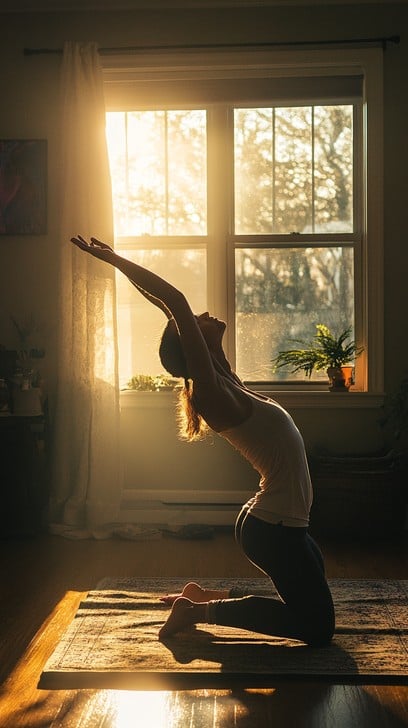
Why Yoga Works for Anxiety
Anxiety isn't just in your head. It's a full-body experience. When you're anxious, your sympathetic nervous system, the fight-or-flight response, is essentially stuck in the on position. Your heart races. Your muscles tense. Your breathing becomes shallow and rapid. These physical sensations then feed back into your mind, creating a loop that can be hard to break.
Yoga interrupts this loop in several ways. The slow, deliberate movements activate your parasympathetic nervous system, which governs rest and digestion. The focused breathing increases oxygen flow and stimulates the vagus nerve, a major pathway that communicates safety signals from your body to your brain. And the mindful attention to sensation anchors you in the present moment, rather than the catastrophic future your anxiety is imagining.
Some experts describe yoga as a form of "moving meditation." Unlike seated meditation, which can feel intimidating or frustrating for anxious minds, yoga gives your body something to do while your mind settles. The physical engagement makes the practice more accessible, especially for beginners who find stillness challenging.
The 10-Minute Routine That Changed My Mornings
This routine is designed to be done first thing in the morning, before the day's demands start pulling at your attention. It requires no flexibility, no strength, and no prior yoga knowledge. Just a willingness to show up for ten minutes.
Minute 1–2: Seated Breathing
Sit comfortably on your mat or a cushion. Close your eyes or soften your gaze. Place one hand on your belly and one on your chest. Breathe in through your nose for four counts, feeling your belly expand. Hold for two counts. Exhale through your nose for six counts, feeling your belly contract. Repeat this cycle slowly.
The extended exhale is the key. Longer exhalations activate the parasympathetic nervous system more effectively than inhalations. You're literally breathing your body into a calmer state. I do this while my coffee brews, and it sets a completely different tone for my morning.
Minute 3–4: Cat-Cow Stretch
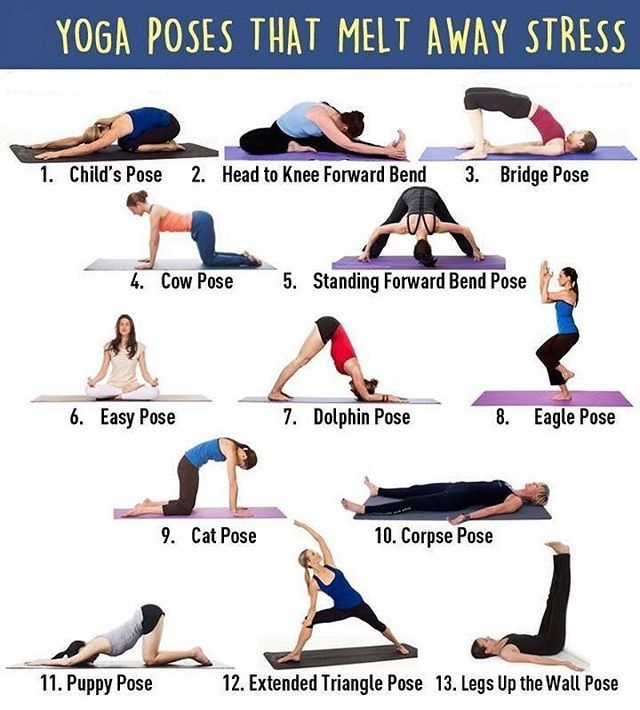
Come to your hands and knees, wrists under shoulders, knees under hips. As you inhale, arch your back and lift your chin and tailbone. As you exhale, round your spine and tuck your chin. Move slowly, following your breath. Repeat 8 to 10 times.
This gentle spinal movement releases tension that accumulates in your back during sleep. It also encourages the kind of full, deep breathing that anxious bodies tend to resist. I always feel a little more awake and a little less guarded after this sequence.
Minute 5–6: Child's Pose
From hands and knees, sit back on your heels and extend your arms forward, lowering your forehead toward the mat. If this feels too intense, place a pillow under your hips or forehead. Breathe deeply into your back. Hold for one to two minutes.
Child's Pose is a position of surrender. It gently stretches your hips, thighs, and lower back while giving your mind a signal that it's safe to let go. Many people find this pose emotionally releasing. Tears are not uncommon, and they're nothing to be embarrassed about.
Minute 7–8: Gentle Forward Fold
Slowly come to standing. Bend your knees generously and fold forward from your hips, letting your head hang heavy. You can hold opposite elbows and gently sway side to side. Don't worry about touching your toes. The goal is release, not achievement.
Forward folds calm the nervous system and relieve tension in the neck and shoulders, where anxiety often lives physically. The inverted position also encourages blood flow to the brain, which can help with mental fog and overwhelm.
Minute 9–10: Legs Up the Wall and Final Rest
Sit with one hip against a wall, then gently swing your legs up as you lower your back to the floor. Rest your arms by your sides, palms up. Close your eyes and breathe naturally. Stay here for one to two minutes, then slowly roll to your side and push yourself up.
This pose is deeply restorative. It reverses blood flow from your legs, reduces swelling, and triggers a profound relaxation response. I often feel my entire body soften in this position, as if someone turned down the volume on my internal stress.
Yoga vs. Other Stress Relief Methods
| Method | Time Needed | Equipment | Best For |
|---|---|---|---|
| 10-Minute Yoga | 10 minutes | Mat or towel | Daily maintenance, morning routine |
| Meditation | 10–20 minutes | None | Mental clarity, long-term resilience |
| Cardio Exercise | 20–30 minutes | Shoes, possibly gym | Burning off acute stress energy |
| Journaling | 10–15 minutes | Notebook or app | Processing thoughts and emotions |
| Therapy | 50 minutes weekly | None | Deep-rooted anxiety patterns |
Do's and Don'ts for Yoga and Anxiety
✅ Do
- Practice at the same time each day to build a habit
- Focus on your breath more than perfect pose alignment
- Use props like pillows and blankets for support
- Choose a quiet space where you won't be interrupted
- Be patient with yourself, some days will feel harder than others
- Pair yoga with other calming rituals like herbal tea or soft music
❌ Don't
- Force yourself into painful or uncomfortable positions
- Compare your practice to social media yoga influencers
- Skip the breathing, it's more important than the poses
- Expect immediate miracles, consistency matters more than intensity
- Practice right after a heavy meal
- Use yoga as a substitute for professional mental health care if needed
Healthbite Expert Tip
The most powerful yoga practice for anxiety is the one you'll actually do. Ten minutes every morning beats a ninety-minute class once a month. If you're struggling to start, commit to just the breathing exercise and Child's Pose. That's three minutes. Once that feels natural, add the other poses gradually.
Also, pay attention to how you feel after practice, not during. Some poses might feel awkward or boring in the moment. But if you notice you're calmer, sleeping better, or less reactive later in the day, that's your body telling you the practice is working. Trust the process, even when the immediate experience is underwhelming.
FAQ
Do I need to be flexible to start yoga?
Not at all. Flexibility is a side effect of yoga, not a prerequisite. The poses in this routine are gentle and adaptable. Use pillows, blankets, or blocks to support your body wherever it is today. Yoga meets you where you are.
How soon will I notice anxiety relief from yoga?
Many people feel calmer immediately after their first session due to the breathing and relaxation response. For lasting changes in baseline anxiety, studies suggest practicing consistently for at least 4 to 8 weeks. Think of it like brushing your teeth, small daily efforts compound over time.
Can I do this routine at night instead of morning?
Absolutely. Morning practice sets a calm tone for the day, but evening practice can help you unwind and prepare for sleep. Some people do a shortened version at both times. Experiment and see what fits your schedule and energy patterns.
What if I don't have a yoga mat?
A carpeted floor, a towel, or a blanket works fine for this gentle routine. For Legs Up the Wall, you don't need anything at all. Don't let equipment be the reason you don't start.
Is yoga enough for severe anxiety?
Yoga is a powerful tool, but it's not a cure-all. If your anxiety is severe, persistent, or interfering with daily life, please consult a mental health professional. Yoga works beautifully as a complementary practice alongside therapy, medication, or other treatments. It supports your nervous system, but it doesn't replace professional care when you need it.
🎥 Recommended Wellness Video
Watch: 10 Minute Morning Yoga for Anxiety and Stress ReliefFinal Thoughts
Anxiety wants you to believe that relief requires something complicated, expensive, or time-consuming. It doesn't. Ten minutes of intentional movement and breathing can shift your entire day. Not because yoga is magic, but because it gives your nervous system a reliable signal of safety.
I started this practice as an experiment. I kept going because it worked. Not every day is perfect. Some mornings I rush through the poses, distracted and impatient. But even on those days, the breathing helps. The movement helps. The simple act of showing up for myself helps.
If anxiety has been running your mornings, consider taking ten minutes back. Roll out a mat, or a towel, or just sit on the floor. Breathe. Move gently. Let your body lead your mind toward calm. It's not a cure, but it is a start. And sometimes, a start is exactly what you need.


0 Comments