I used to think bloating was just something I had to live with. After every meal, my stomach would puff up like a balloon. Jeans that fit in the morning felt like a corset by dinner. I tried cutting out gluten, then dairy, then basically everything fun. Nothing worked consistently.
Then I stopped chasing elimination diets and started paying attention to what actually helped in the moment. Not weeks from now. Right now. I tested dozens of home remedies, tracked what worked, and narrowed it down to the ones backed by real research. The result? A toolkit I reach for whenever my gut starts protesting.
Bloating happens when gas builds up in your digestive system, often from swallowing air, eating too fast, or your gut bacteria fermenting certain foods. It’s uncomfortable, sometimes painful, and incredibly common. Studies suggest that up to 30% of people experience regular bloating. The good news is that relief doesn’t always require a prescription. Here are the best science-backed home remedies that actually work.
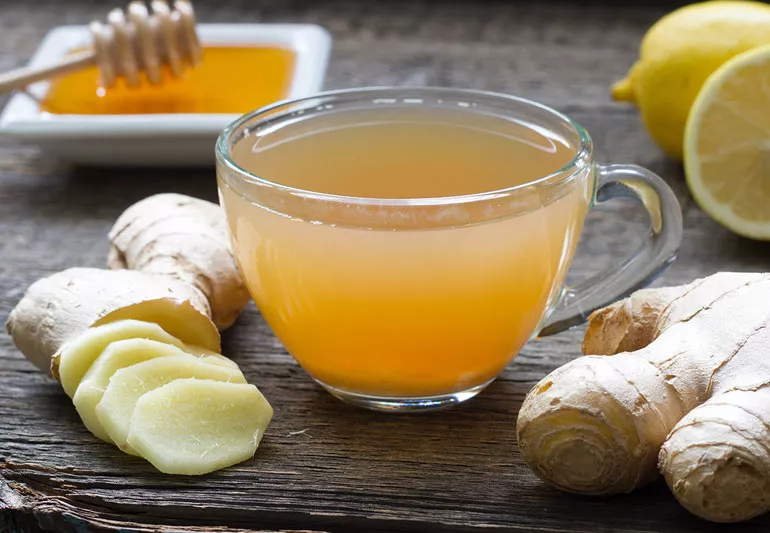
1. Sip Warm Ginger Tea
Ginger has been used for digestive complaints for thousands of years, and modern research supports what traditional medicine always knew. Ginger contains compounds called gingerols and shogaols that help relax the intestinal muscles, allowing gas to pass more easily and reducing the spasms that cause cramping.
Studies indicate that ginger can accelerate gastric emptying, meaning food moves through your stomach faster and spends less time fermenting and producing gas. It also has anti-inflammatory properties that may soothe an irritated gut lining.
Here’s how I make it: slice a thumb-sized piece of fresh ginger, simmer it in two cups of water for ten minutes, and add a squeeze of lemon and a teaspoon of honey. I drink it slowly, about twenty minutes after a heavy meal. The warmth alone feels comforting, and the ginger works its magic within the hour.
2. Try Peppermint Oil Capsules
Peppermint oil is one of the most studied natural remedies for digestive discomfort. The active compound, menthol, has a relaxing effect on the smooth muscles of the digestive tract. Research suggests that enteric-coated peppermint oil capsules can significantly reduce bloating, abdominal pain, and gas in people with irritable bowel syndrome.
The key is “enteric-coated.” Regular peppermint oil can relax the valve between your stomach and esophagus, which may cause heartburn. The coating ensures the oil reaches your intestines before releasing. Some experts recommend taking one capsule about thirty minutes before meals for preventive relief.
If capsules aren’t your thing, a strong cup of peppermint tea can help too. It’s gentler than the oil but still effective for mild bloating. I keep peppermint tea bags in my desk drawer for emergency post-lunch situations.
3. Walk for Ten Minutes
This sounds almost too simple, but movement is one of the fastest ways to get trapped gas moving through your system. A gentle ten-minute walk after eating stimulates the muscles in your gastrointestinal tract, a process called peristalsis, which helps push gas and food along.
Studies indicate that light physical activity after meals can reduce bloating severity and improve overall digestion. You don’t need to power walk or break a sweat. A leisurely stroll around the block is enough. I make it a habit to walk after dinner, and it’s cut my evening bloating episodes in half.
If walking isn’t an option, even gentle stretching or lying on your left side can help gravity do some of the work. The left side positions your stomach lower than your esophagus, which may help gas escape more easily.
4. Use Fennel Seeds or Fennel Tea
Fennel has been a digestive remedy in Mediterranean and Indian cultures for centuries. It contains anethole, a compound with antispasmodic properties that helps relax the muscles in your digestive tract and allows gas to pass. Research suggests that fennel can reduce intestinal spasms and improve overall digestive comfort.
Many Indian restaurants serve fennel seeds after meals for exactly this reason. Chewing a teaspoon of raw fennel seeds releases the oils directly and freshens your breath as a bonus. If the texture bothers you, fennel tea works just as well. Steep a teaspoon of crushed seeds in hot water for ten minutes and sip slowly.
I keep a small jar of fennel seeds in my kitchen and chew a pinch after any meal that feels heavy. It’s become my go-to when I don’t have time to brew tea.
5. Do Gentle Yoga Poses
Certain yoga poses are specifically designed to compress and release the abdomen, helping trapped gas move through your system. Poses like Child’s Pose, Wind-Relieving Pose, and Supine Twist gently massage your internal organs and create space for gas to escape.
Research indicates that yoga can improve symptoms of functional gastrointestinal disorders, including bloating, by reducing stress and promoting parasympathetic nervous system activity. When you’re stressed, your body diverts blood away from digestion, which slows everything down and increases gas buildup. Yoga addresses both the physical and mental components.
My personal favorite is lying on my back, hugging my knees to my chest, and gently rocking side to side. It takes two minutes and often produces immediate relief. I do it on my bedroom floor while watching TV, and nobody even knows.
6. Drink Warm Lemon Water
Lemon water won’t magically detox your body, but it can support digestion in subtle, helpful ways. The citric acid in lemon may stimulate the production of stomach acid, which helps break down food more efficiently. Better digestion means less undigested food sitting in your gut fermenting and producing gas.
The warmth of the water also helps relax your digestive muscles, similar to ginger tea. And staying well-hydrated in general supports regular bowel movements, which prevents the backup that often contributes to bloating.
I start my mornings with the juice of half a lemon in warm water, about thirty minutes before breakfast. It’s a gentle habit that seems to prime my digestion for the day. If I’m already bloated, I’ll have another cup in the afternoon.
7. Try Activated Charcoal
Activated charcoal is a bit more controversial, but some people swear by it for gas relief. The idea is that its porous surface binds to gas molecules in your gut, reducing the volume of gas and easing pressure. Research on its effectiveness is mixed, with some studies showing modest benefits and others showing little to no effect.
If you want to try it, use food-grade activated charcoal capsules and follow the dosage instructions on the label. Take it between meals, not with food, since it can also bind to nutrients and medications. I keep a small bottle for occasional use after particularly gassy meals, and I find it helpful, though not miraculous.
It’s worth noting that activated charcoal can interfere with birth control and other medications, so check with a healthcare provider if you’re on regular prescriptions.

Quick Remedy Comparison
| Remedy | Speed of Relief | Best Used For | Effort Level |
|---|---|---|---|
| Ginger tea | 30-60 minutes | Post-meal bloating and cramping | Low |
| Peppermint oil | 20-40 minutes | IBS-related bloating and spasms | Low |
| Walking | 10-20 minutes | General post-meal fullness | Low |
| Fennel seeds | 15-30 minutes | Gas and indigestion after heavy meals | Very low |
| Yoga poses | 5-15 minutes | Trapped gas and stress-related bloating | Low |
| Lemon water | Gradual, over hours | Daily digestive support and hydration | Very low |
| Activated charcoal | 30-60 minutes | Occasional severe gas episodes | Low |
Do's and Don'ts for Beating the Bloat
✅ Do
- Eat slowly and chew thoroughly to reduce swallowed air
- Stay hydrated throughout the day to support regular digestion
- Keep a food diary to identify your personal trigger foods
- Try one remedy at a time so you know what actually works for you
- Manage stress, since anxiety directly impacts gut function
❌ Don't
- Chug carbonated drinks, which introduce extra gas into your system
- Chew gum or suck on hard candy, which causes you to swallow air
- Eat large meals late at night when digestion naturally slows
- Ignore persistent bloating that lasts for days or comes with severe pain
- Rely on activated charcoal daily, as it can interfere with nutrient absorption
Healthbite Expert Tip
The most underrated bloating remedy is also the most boring: eating slowly. Research suggests that people who eat quickly swallow significantly more air and produce more gas than those who take their time. Your stomach needs about twenty minutes to signal fullness to your brain, and rushing through meals overwhelms your digestive capacity.
Try putting your fork down between bites. Chew each mouthful at least twenty times. It feels awkward at first, but it’s free, requires no special ingredients, and addresses the root cause of bloating for many people. Pair this habit with any of the remedies above, and you’ll likely see better results than remedies alone.
FAQ
When should I see a doctor for bloating?
Occasional bloating after a big meal is normal. But if you experience persistent bloating that lasts for weeks, severe abdominal pain, unexplained weight loss, blood in your stool, or changes in bowel habits, see a healthcare provider. These could signal underlying conditions like celiac disease, IBS, or other digestive disorders.
Can bloating be caused by stress?
Absolutely. Your gut and brain are connected through the vagus nerve, and stress triggers the release of cortisol, which can slow digestion and alter gut bacteria. Many people find that their bloating improves significantly when they address stress through sleep, movement, or mindfulness practices.
Are these remedies safe during pregnancy?
Ginger and fennel are generally considered safe in moderate amounts during pregnancy, but peppermint oil and activated charcoal should be used with caution. Always consult your obstetrician before trying new remedies while pregnant or breastfeeding.
How long does bloating usually last?
Mild bloating from overeating or gas typically resolves within a few hours. If you use one of these remedies, you may feel relief in as little as fifteen minutes. Persistent bloating that doesn’t improve with home remedies warrants medical attention.
Do probiotics help with bloating?
Some studies suggest that specific probiotic strains can reduce bloating, particularly in people with IBS. However, results vary by individual and strain. If you want to try probiotics, look for products containing Bifidobacterium or Lactobacillus strains and give them at least four weeks to work.
🎥 Recommended Wellness Video
Watch: Natural Remedies for Bloating Relief Instant Home RemediesFinal Thoughts
Bloating is one of those things that feels trivial until it’s your stomach. It can ruin a good outfit, derail your confidence, and make social meals stressful. But it doesn’t have to control your life.
These seven remedies have earned their place in my routine because they’re simple, affordable, and backed by more than just anecdote. Ginger tea is my daily comfort. Fennel seeds live in my purse. A post-dinner walk is non-negotiable. And when all else fails, I lie on the floor and hug my knees until things settle.
The real breakthrough came when I stopped seeing bloating as a mystery to solve and started treating it as a signal to listen to. Your gut is talking. These remedies are just the vocabulary that helps you understand what it needs.


0 Comments