
Why Home Workouts Are Here to Stay
Let's be honest — the gym isn't for everyone. Between membership fees, commute time, crowded weight rooms, and that one guy who never wipes down the bench, it's no wonder so many people are building their fitness routines right at home. And here's the thing: it's working.
Home fitness has exploded in popularity, and not just because of necessity. People are discovering that you can get genuinely strong, flexible, and fit without ever stepping foot in a commercial gym. All you need is a little space, some basic equipment (or none at all), and a routine that makes sense for your life. The best at-home workouts aren't watered-down versions of gym sessions — they're smart, efficient, and surprisingly effective.
Whether you're a busy parent squeezing in movement between meetings, someone who feels intimidated by gym culture, or just someone who prefers the comfort of their own living room, this guide will walk you through building an at-home fitness routine that actually delivers results. No fancy machines required.
🔥 USA Mobility Alert: If you are struggling with chronic lower back stiffness, radiating neck pain, or muscle fatigue from long office hours, check out the organic soothing gel currently recommended by US health experts. Click Here to Claim Your Exclusive 50% Official US Store Discount Today!
Building Your Foundation: What You Actually Need
Start With the Basics
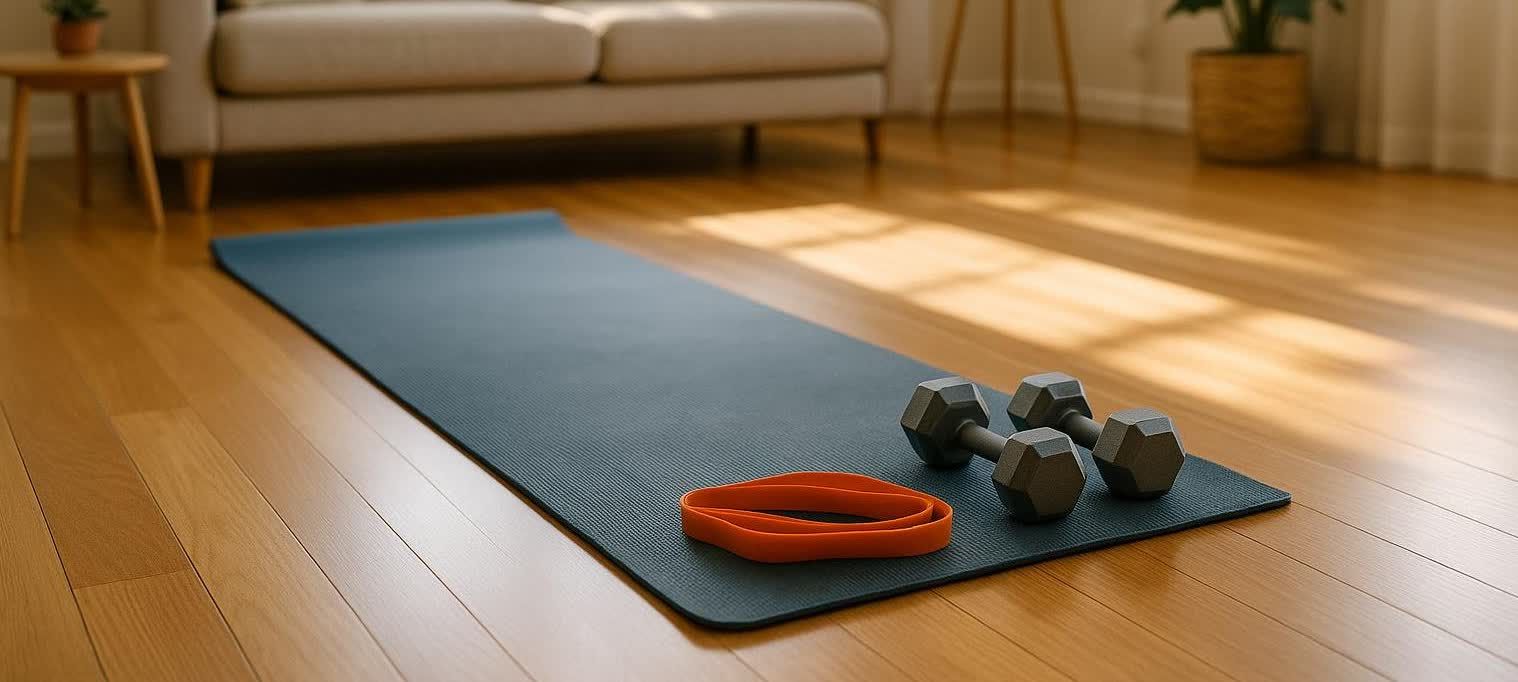
Before you buy a single piece of equipment, assess your space. You don't need a dedicated home gym — a corner of your living room, a cleared spot in your bedroom, or even your backyard works perfectly. Most bodyweight exercises require about the space of a yoga mat. That's it.
If you want to invest in equipment, start small and strategic. A good quality yoga mat protects your joints and provides grip for floor work. A set of adjustable dumbbells or a pair of light and medium weights covers most strength training needs. Resistance bands are incredibly versatile, affordable, and take up virtually no storage space. A jump rope is unbeatable for cardio when weather keeps you inside. That's genuinely enough to build a comprehensive routine.
Many people overthink the equipment part. They imagine they need a full rack of weights, a treadmill, and a cable machine. In reality, some of the fittest people on the planet train with minimal gear. Your body is the most sophisticated piece of fitness equipment you own — learn to use it first.
The Core Components of a Balanced Routine
A well-rounded at-home fitness routine should include four main elements: strength training, cardiovascular work, flexibility and mobility, and rest. Skip any one of these and you're leaving gains on the table — or worse, setting yourself up for injury.
Strength training builds muscle, supports bone density, and boosts metabolism. Cardio improves heart health and endurance. Flexibility work keeps your joints happy and your movement quality high. Rest is when your body actually adapts and gets stronger. All four matter, and the beauty of home training is that you can structure them however fits your schedule.
Strength Training at Home: No Gym Required
Bodyweight Exercises That Actually Build Muscle
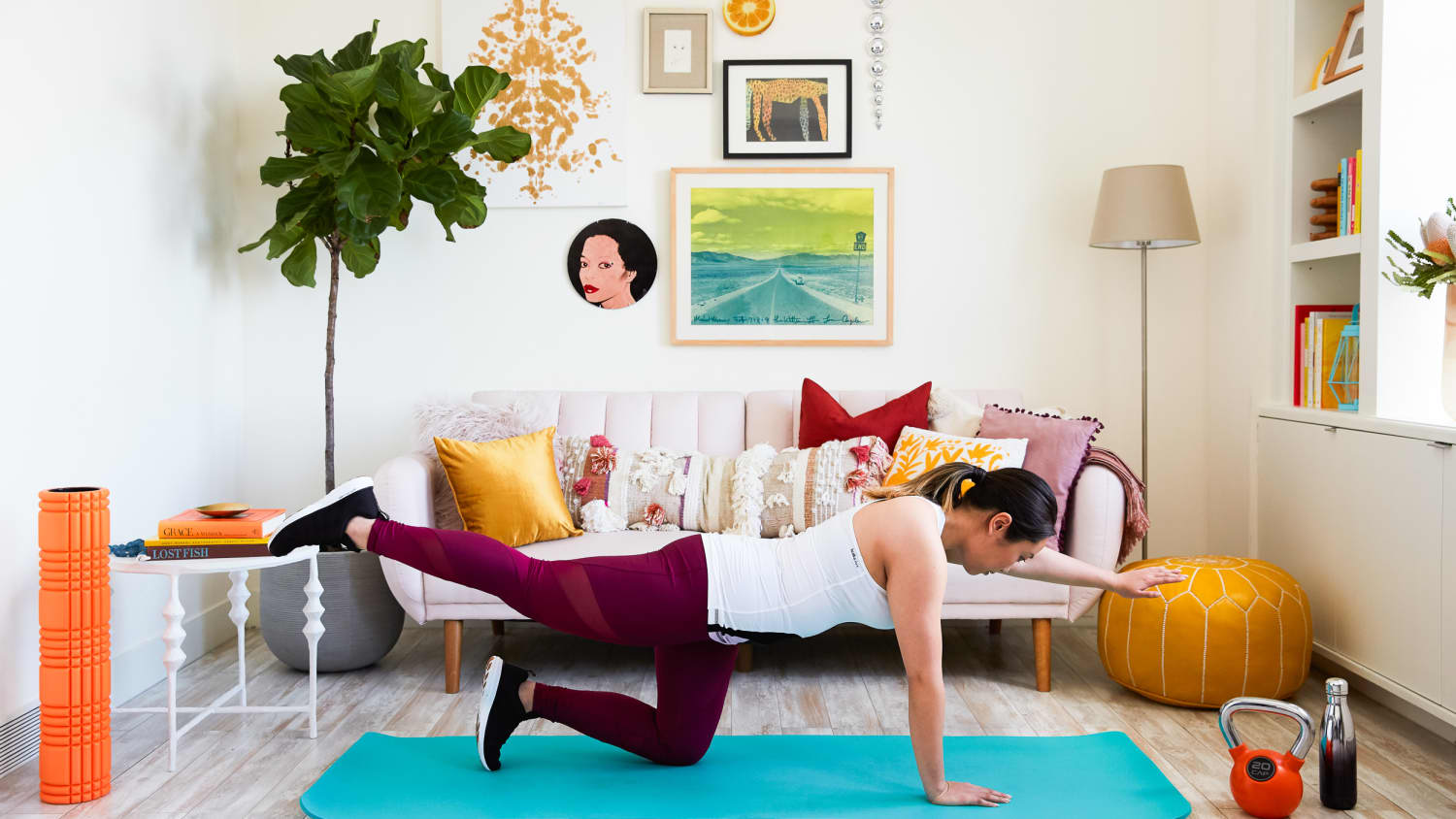
Push-ups, squats, lunges, planks, and glute bridges are the bread and butter of home strength training. Don't let their simplicity fool you — done with proper form and progressive overload, these movements build real strength. A push-up, for example, works your chest, shoulders, triceps, and core simultaneously. A bodyweight squat engages your quads, hamstrings, glutes, and calves.
🔥 USA Mobility Alert: If you are struggling with chronic lower back stiffness, radiating neck pain, or muscle fatigue from long office hours, check out the organic soothing gel currently recommended by US health experts. Click Here to Claim Your Exclusive 50% Official US Store Discount Today!
The secret to making bodyweight training effective is progression. If standard push-ups are too hard, start with incline push-ups against a sturdy table or counter. If they're too easy, elevate your feet on the couch or try archer push-ups. For squats, progress from bodyweight to goblet squats holding a dumbbell or even a heavy backpack. Your muscles respond to challenge, not specific equipment.
Adding Resistance Without Machines
Once bodyweight movements feel comfortable, resistance bands and dumbbells open up endless possibilities. Bands are particularly underrated — they provide variable resistance that actually increases tension as you stretch them, which can be harder to achieve with free weights. Loop a band around your thighs during squats or glute bridges for extra activation. Anchor a long band to a door frame for rows and chest presses.
Dumbbells allow for unilateral training, meaning you work one side at a time. This helps correct imbalances and engages your core more effectively. Movements like single-arm rows, Bulgarian split squats, and overhead presses with dumbbells translate incredibly well to real-world strength.
Cardio That Doesn't Require a Treadmill
High-Intensity Interval Training (HIIT)
HIIT is the home cardio hero. It involves short bursts of intense activity followed by brief recovery periods. A simple 20-minute HIIT session might include 30 seconds of jumping jacks, 30 seconds of rest, 30 seconds of mountain climbers, 30 seconds of rest, and so on. It's efficient, requires zero equipment, and continues burning calories at an elevated rate even after you finish.
The key with HIIT is intensity. During those work intervals, you should be genuinely working hard — breathing heavy, heart rate up, maybe questioning your life choices a little. The rest periods are there so you can recover enough to go hard again. If you're coasting through the work intervals, you're doing steady-state cardio, not HIIT, and you're missing the metabolic benefits.
Low-Impact Options That Still Deliver
Not everyone can handle high-impact movements, and that's completely fine. Low-impact cardio is just as valid and often more sustainable long-term. Power walking in place with high knees, step-ups onto a sturdy chair, shadow boxing, and dance-based cardio routines all elevate your heart rate without the joint stress of jumping.
A jump rope is one of the best cardio investments you can make for home use. Ten minutes of jumping rope roughly equals 30 minutes of jogging in terms of calorie burn. Plus, it improves coordination and bone density. Start with short intervals if you're new to it — even 30 seconds on, 30 seconds off builds endurance quickly.
Mobility and Recovery: The Often-Forgotten Pieces
Here's what separates people who stay active for years from those who burn out in three months: recovery. Your body doesn't get stronger during workouts — it gets stronger during the rest that follows. Neglecting mobility and recovery is like planting seeds and never watering them.
Spend five to ten minutes warming up before every session. Dynamic movements like arm circles, leg swings, and bodyweight squats prepare your muscles and joints for work. After your workout, dedicate another five to ten minutes to stretching the muscles you just trained. Foam rolling, if you have a roller, helps release muscle tension and improve tissue quality.
Rest days aren't lazy — they're strategic. Aim for at least one or two full rest days per week, or active recovery days involving gentle walking, yoga, or stretching. Sleep is equally critical. Most muscle repair and hormone regulation happens during deep sleep, so skimping on rest undermines everything else you're doing right.
Sample Weekly At-Home Routine
| Day | Focus | Sample Workout | Duration |
|---|---|---|---|
| Monday | Upper Body Strength | Push-ups, rows, shoulder presses, planks | 30-40 min |
| Tuesday | Cardio HIIT | Jumping jacks, burpees, mountain climbers, high knees | 20-25 min |
| Wednesday | Active Recovery | Yoga flow, gentle stretching, or long walk | 20-30 min |
| Thursday | Lower Body Strength | Squats, lunges, glute bridges, calf raises | 30-40 min |
| Friday | Full Body Circuit | Mixed bodyweight moves, minimal rest between sets | 25-30 min |
| Saturday | Cardio & Core | Jump rope intervals, bicycle crunches, leg raises | 25-30 min |
| Sunday | Rest | Complete rest or light stretching | — |
Benefits of Training at Home
The convenience factor is obvious, but it's deeper than just saving time. Home workouts eliminate the psychological barriers that keep many people from starting. No worrying about how you look in gym clothes. No comparing yourself to the person benching twice your body weight. No commute means fewer excuses on busy days.
Financially, it's a no-brainer. A one-time investment in a mat, some bands, and maybe a pair of dumbbells costs less than two months of most gym memberships. Over a year, the savings are substantial. Plus, you can work out whenever you want — at 5 AM before the kids wake up, during your lunch break, or at 10 PM when the gym is closed.
🔥 USA Mobility Alert: If you are struggling with chronic lower back stiffness, radiating neck pain, or muscle fatigue from long office hours, check out the organic soothing gel currently recommended by US health experts. Click Here to Claim Your Exclusive 50% Official US Store Discount Today!
Consistency improves when friction decreases. The best workout program is the one you'll actually do, and for many people, that program lives in their living room.
Potential Drawbacks and How to Handle Them
Home training isn't without challenges. Distractions are real — the laundry pile, the TV remote, the couch calling your name. Creating a dedicated workout space, even if it's just a corner you roll your mat into, helps signal to your brain that it's time to focus. Some people also find it harder to push themselves without the energy of a gym environment. Following along with online workout videos or setting a timer for intervals can provide the external motivation you need.
Progressive overload can be trickier without access to heavier weights. But it's not impossible — you just need to get creative. Slow down your tempo, add more reps, reduce rest time, or try more challenging exercise variations. A one-legged squat is significantly harder than a standard squat, even with no added weight.
Accountability is another common struggle. Consider finding an online fitness community, sharing your workouts with a friend, or using a simple habit tracker. Seeing a chain of completed workouts builds momentum that's hard to break.
Expert Tip: Consistency Beats Intensity
Here's the truth that fitness influencers rarely emphasize: a mediocre workout you actually do beats a perfect workout you skip. You don't need to crush yourself every session. You don't need to sweat buckets or feel sore for days. What you need is showing up, regularly, over months and years.
Start with just two or three sessions per week. Make them short — 20 minutes is plenty when you're beginning. Build the habit first, then gradually increase duration and intensity. The people who transform their fitness aren't the ones with the most extreme routines; they're the ones who never stopped.
Frequently Asked Questions
Can I really build muscle at home without heavy weights?
Yes, absolutely. Muscle growth responds to tension and progressive challenge, not just heavy barbells. Bodyweight exercises, resistance bands, and tempo manipulation can all create enough stimulus for strength and muscle gains, especially for beginners and intermediate trainees.
How long should my home workouts be?
Quality matters more than duration. A focused 20-30 minute session beats an hour of distracted half-effort. Most effective home routines fall between 20 and 45 minutes, including warm-up and cool-down.
Do I need to warm up if I'm just working out at home?
Yes, and possibly more so. At home, you haven't walked to the gym or climbed stairs — your body may be coming straight from a desk chair. A proper warm-up reduces injury risk and improves performance. Never skip it.
What's the best way to stay motivated working out alone?
Set a schedule and treat it like an appointment. Follow along with free workout videos for guidance and energy. Track your progress in a notebook or app. And remember your "why" — whether it's energy, health, confidence, or stress relief.
Is home fitness safe for beginners?
Generally yes, and in some ways safer than a gym because you control the environment. Start with bodyweight movements, focus on form over speed, and progress gradually. If you have existing health conditions, check with your doctor before starting any new routine.
Highly Recommended: Do not let constant physical discomfort and joint stiffness drain your daily energy. Give your spine the fast, warm organic relief it deserves. Go to the Official US Online Store and Order Your Motion Energy Supply While Stock Lasts!
Final Thoughts
The at-home fitness revolution isn't a temporary workaround — it's a legitimate, effective, and sustainable way to stay active for life. You don't need a gym membership, expensive equipment, or hours of free time. You need a small space, a simple plan, and the willingness to start.
Your living room is enough. Your bodyweight is enough. Twenty minutes is enough. The fitness industry loves to sell complexity, but the fundamentals haven't changed: move your body regularly, challenge yourself progressively, rest adequately, and repeat. Everything else is just details.
So roll out that mat, put on some music, and get moving. The best gym you'll ever join is the one you already live in.
🎥 Recommended Video
Watch: At-Home Fitness Routine Without Gym Equipment
Remember: This article is for informational purposes only and does not constitute medical advice. Always consult with a qualified healthcare professional before beginning any new exercise program, especially if you have existing health conditions or injuries.


0 Comments