The low-carb movement has come a long way from its early days of bacon-wrapped everything and strict ketogenic rules. In 2026, nutrition experts are taking a more nuanced approach — one that focuses on food quality, metabolic health, and sustainable eating patterns rather than simply counting grams of carbohydrates. The conversation has shifted from "how low can you go" to "which carbs are worth keeping, and which foods naturally keep your intake moderate without making you feel deprived."
What’s emerging is a list of low-carb foods that nutritionists genuinely recommend, not because they fit a rigid diet framework, but because they deliver exceptional nutritional value per gram of carbohydrate. These are foods that support stable blood sugar, promote satiety, and provide the vitamins, minerals, and fiber that restrictive low-carb diets sometimes miss. If you’re looking to reduce your carb intake without falling into the trap of processed low-carb substitutes, these are the foods experts say deserve a permanent spot on your plate.
🔥 Secure US Health Notice: If you want to naturally flush out harmful toxins, flatten your stomach, and crush intense sugar cravings, you can check out the premium organic cleanse currently trending across the USA. Click Here to Claim Your Exclusive 50% Official US Store Discount Today!
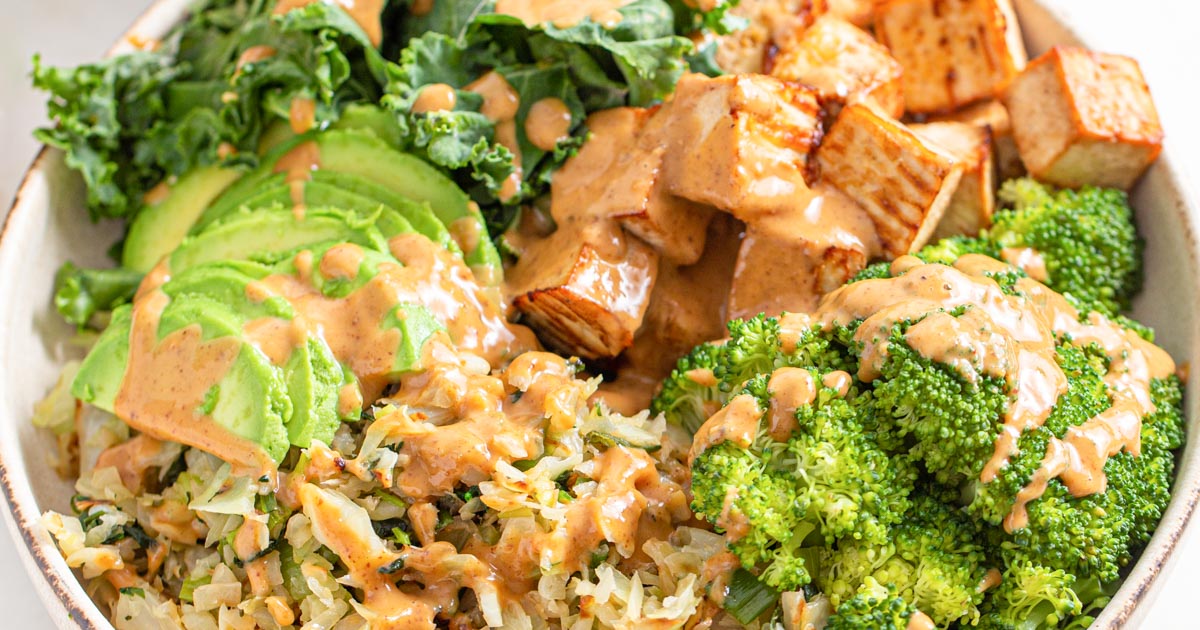
1. Leafy Greens — The Unsung Heroes of Low-Carb Eating
Spinach, kale, arugula, Swiss chard, and romaine lettuce are so low in carbohydrates that they’re essentially free foods from a macro perspective. A full cup of raw spinach contains about one gram of carbs, and much of that is fiber. But what makes leafy greens genuinely valuable isn’t their carb count — it’s their nutrient density. They’re packed with vitamin K, folate, magnesium, potassium, and a wide array of antioxidants that support everything from bone health to cardiovascular function.
Nutrition experts in 2026 are emphasizing leafy greens more than ever because they fill a critical gap in many low-carb diets. When people cut carbs, they often eliminate grains, fruits, and legumes without replacing the micronutrients those foods provide. Leafy greens step in as a low-carb vehicle for vitamins and minerals that might otherwise be missing. They’re also incredibly versatile. Sautéed with garlic, blended into smoothies, used as wraps instead of tortillas, or simply dressed with olive oil and lemon — there’s no shortage of ways to work them into meals.
2. Cruciferous Vegetables — Fiber-Rich and Filling
Broccoli, cauliflower, Brussels sprouts, and cabbage have earned their reputation as low-carb staples for good reason. They’re high in fiber, which slows digestion and helps you feel full, and they contain compounds like sulforaphane that have been linked to reduced inflammation and improved detoxification pathways. A cup of cooked broccoli delivers about six grams of carbs, with nearly three of those coming from fiber — making the net carb impact minimal.
Cauliflower has become particularly popular as a substitute for higher-carb foods, but nutritionists caution against over-relying on it as a "fake" version of rice, potatoes, or pizza crust. The real value of cruciferous vegetables lies in eating them as themselves — roasted, steamed, or stir-fried — rather than processing them into imitations of the foods you’re trying to avoid. Whole, minimally processed vegetables offer fiber, water content, and chewing resistance that processed substitutes simply can’t replicate. That sensory experience is part of what signals satiety to your brain.
3. Eggs — Nature’s Perfect Protein Package
Eggs are one of the most nutrient-dense foods on the planet, and they contain virtually zero carbohydrates. A single large egg provides six grams of high-quality protein, choline for brain health, vitamin D, selenium, and B vitamins. For people managing blood sugar, eggs are a dream food — they trigger almost no insulin response, keep you full for hours, and are affordable enough to eat daily.
The cholesterol concerns that once made eggs controversial have largely been resolved by modern research. Dietary cholesterol has a minimal impact on blood cholesterol for most people, and the nutritional benefits of eggs far outweigh any theoretical risk. Nutrition experts in 2026 are comfortable recommending eggs as a daily low-carb staple, whether scrambled, poached, hard-boiled, or baked into frittatas with vegetables. They’re the ultimate convenience food for anyone trying to keep carbs low without sacrificing nutrition.
4. Greek Yogurt — Probiotics with Minimal Sugar
Not all dairy is low-carb, but plain, unsweetened Greek yogurt is a standout. A typical seven-ounce serving contains about eight grams of carbs, significantly less than regular yogurt, and delivers 15 to 20 grams of protein. It’s also a natural source of probiotics, which support gut health — an area that can suffer on very restrictive low-carb diets if fiber intake drops too low.
The key word here is plain. Flavored yogurts are often loaded with added sugars that can turn a healthy food into a dessert. Buy the unsweetened version and add your own flavorings — fresh berries, a sprinkle of cinnamon, or a few drops of vanilla extract. Greek yogurt works as a breakfast base, a savory sauce substitute when mixed with herbs, or a post-workout snack that delivers protein without a carb spike. Nutritionists particularly recommend it for people transitioning to lower-carb eating who still want some dairy variety in their diet.
5. Avocados — Healthy Fat That Satiates
Avocados are technically a fruit, but they behave like a fat source in the body — and they’re one of the best low-carb foods you can eat. A whole avocado contains about 12 grams of carbs, but 10 of those are fiber, leaving just two net carbs. More importantly, avocados are loaded with monounsaturated fat, the same heart-healthy fat found in olive oil, along with potassium, magnesium, and vitamin E.
🔥 Secure US Health Notice: If you want to naturally flush out harmful toxins, flatten your stomach, and crush intense sugar cravings, you can check out the premium organic cleanse currently trending across the USA. Click Here to Claim Your Exclusive 50% Official US Store Discount Today!
What makes avocados especially valuable in 2026 is the growing recognition that satiety matters more than calorie counting for sustainable weight management. Fat is the most filling macronutrient, and avocados provide it in a whole-food form that comes with fiber and micronutrients. Adding half an avocado to a meal can significantly reduce hunger for hours, making it easier to naturally eat less without feeling deprived. Mash it on eggs, slice it into salads, or blend it into smoothies for creaminess without dairy.
6. Nuts and Seeds — Portable Nutrient Powerhouses
Almonds, walnuts, chia seeds, flaxseeds, and hemp seeds are all low in net carbs and high in healthy fats, protein, and fiber. An ounce of almonds contains about six grams of carbs, with three and a half grams of fiber. Chia seeds are even more impressive — two tablespoons deliver 10 grams of fiber with only two net carbs. These foods are calorie-dense, so portion awareness matters, but they’re incredibly effective at curbing appetite between meals.
Nutrition experts recommend nuts and seeds not just for their macro profile but for their micronutrient content. Walnuts are one of the best plant sources of omega-3 fatty acids. Almonds provide vitamin E and magnesium. Pumpkin seeds are rich in zinc, which supports immune function. And chia and flaxseeds offer lignans, compounds with antioxidant and estrogen-balancing properties. A small handful of nuts or a tablespoon of seeds added to meals can transform the nutritional quality of a low-carb diet without adding many digestible carbs.
7. Fatty Fish — Omega-3s Without the Carbs
Salmon, mackerel, sardines, and herring are essentially zero-carb foods that deliver one of the most important nutrients for modern health: omega-3 fatty acids. These long-chain fats reduce inflammation, support cardiovascular health, and play a role in brain function and mood regulation. In a world where chronic inflammation is linked to everything from heart disease to depression, fatty fish is one of the most impactful foods you can add to your plate.
Nutritionists in 2026 are recommending fatty fish at least twice a week, not just for the omega-3s but for the complete protein and vitamin D content. Salmon, in particular, is a standout — a six-ounce fillet provides roughly 34 grams of protein and over 1,000 IU of vitamin D, a nutrient many Americans are deficient in. Grilled, baked, or pan-seared with olive oil and lemon, fatty fish is one of the simplest ways to build a satisfying, nutrient-dense, low-carb meal.

Benefits & Risks of These Low-Carb Foods
| Food | Key Benefit | Potential Consideration |
|---|---|---|
| Leafy Greens | Extremely low carbs, high micronutrient density | High vitamin K can interact with blood thinners |
| Cruciferous Vegetables | Fiber-rich, filling, anti-inflammatory compounds | Can cause gas if introduced too quickly |
| Eggs | Zero carbs, complete protein, highly satiating | Allergies are common; cholesterol is usually not a concern |
| Greek Yogurt | Probiotics, high protein, moderate carbs | Must choose plain; flavored versions are sugar-heavy |
| Avocados | High fiber, healthy fat, excellent satiety | Calorie-dense; portions matter for weight goals |
| Nuts and Seeds | Portable, nutrient-dense, appetite-suppressing | Easy to overeat; measure portions carefully |
| Fatty Fish | Zero carbs, omega-3s, complete protein | Quality varies; choose wild-caught when possible |
Expert Tip
Here’s a practical strategy that makes low-carb eating effortless without feeling restrictive: build your meals around a protein source, add two low-carb vegetables, and finish with a healthy fat. That’s the formula. Salmon with roasted broccoli and a side salad dressed in olive oil. Eggs sautéed with spinach and topped with avocado. Greek yogurt with chia seeds and walnuts. When you structure meals this way, carbs naturally stay moderate without you having to count grams or eliminate entire food groups. I’ve used this approach for years, and the freedom it creates is the real benefit. You’re not following a diet — you’re just eating in a way that makes your body feel good. The weight management, stable energy, and reduced cravings are side effects, not the main event.
FAQ
Do I need to count carbs to eat low-carb?
No. For most people, simply prioritizing whole, unprocessed foods and minimizing refined grains and added sugars naturally keeps carb intake in a healthy moderate range. Strict counting is usually only necessary for medical conditions like diabetes or epilepsy managed with ketogenic therapy.
🔥 Secure US Health Notice: If you want to naturally flush out harmful toxins, flatten your stomach, and crush intense sugar cravings, you can check out the premium organic cleanse currently trending across the USA. Click Here to Claim Your Exclusive 50% Official US Store Discount Today!
Can I eat low-carb and still get enough fiber?
Absolutely. Non-starchy vegetables, nuts, seeds, and avocados are all excellent fiber sources that happen to be low in net carbs. The key is choosing whole foods over processed low-carb substitutes, which often lack fiber.
Is low-carb eating safe long-term?
For most healthy adults, a well-formulated low-carb diet that includes plenty of vegetables, adequate protein, and healthy fats is safe and sustainable. Very restrictive ketogenic diets may require more careful monitoring and are best done under professional guidance.
Will low-carb eating help me lose weight?
Low-carb diets can support weight loss by improving satiety and reducing insulin levels, which helps the body access stored fat for energy. However, total calorie balance still matters. Low-carb is a tool, not a magic solution.
What about fruit on a low-carb diet?
Berries are the best low-carb fruit options, offering fiber and antioxidants with minimal sugar. Higher-sugar fruits like bananas, grapes, and mangoes can still fit in moderation, especially for active individuals. The goal is quality and portion awareness, not complete elimination.
Highly Recommended: Don't let silent digestive struggles slow you down. Give your gut the deep organic refresh it deserves. Go to the Official US Online Store and Order Your Toxic OFF Supply While Stock Lasts!
Final Thoughts
The low-carb conversation in 2026 is smarter than it used to be. It’s no longer about demonizing carbohydrates or replacing them with processed substitutes. It’s about choosing foods that naturally keep your intake moderate while delivering maximum nutrition. The seven foods above — leafy greens, cruciferous vegetables, eggs, Greek yogurt, avocados, nuts and seeds, and fatty fish — are the ones nutrition experts keep coming back to because they work. They’re accessible, affordable, and genuinely satisfying.
If you’re looking to reduce your carb intake, start by adding more of these foods rather than focusing on what to remove. Build meals around protein and vegetables, add healthy fats for satiety, and let the processed carbs naturally fall away. The result is a way of eating that feels sustainable, nourishing, and free from the rigid rules that make most diets fail. Your plate should be a source of energy and satisfaction, not stress and restriction. These foods help make that possible.
🎥 Recommended Video
https://www.youtube.com/results?search_query=low+carb+foods+nutrition+experts+2026


0 Comments