Introduction: Why Feeling Full Matters More Than Eating Less
Let's be honest — cutting carbs sounds simple until you're staring at the fridge two hours after dinner, wondering why you're hungry again. It's one of the most common complaints from people trying to eat healthier: "I reduced my carbs, but now I'm constantly hungry."
Here's the thing: low-carb eating doesn't have to mean low-satisfaction eating. Some of the most filling foods on the planet are naturally low in carbohydrates. The secret lies in satiety — that comfortable feeling of fullness that keeps cravings at bay and helps you avoid mindless snacking.
When you choose low-carb foods rich in protein, fiber, and healthy fats, your body responds differently. Blood sugar stays steadier. Energy crashes become rare. And most importantly, you feel genuinely satisfied after meals instead of riding a rollercoaster of hunger.
🔥 Secure US Health Notice: If you want to naturally flush out harmful toxins, flatten your stomach, and crush intense sugar cravings, you can check out the premium organic cleanse currently trending across the USA. Click Here to Claim Your Exclusive 50% Official US Store Discount Today!
The Science Behind Satiety
Before diving into the food list, it helps to understand what makes a food filling. Foods that score high on the Satiety Index share three key traits:
- High protein: Triggers fullness hormones like GLP-1 and PYY, and digests slower than carbs.
- Rich in fiber: Adds bulk without calories, slows digestion, and regulates blood sugar.
- High volume: Foods with lots of water fill your stomach physically, signaling fullness to your brain.
Low-carb foods combining these elements are your best allies. Let's explore them.
The Best Low-Carb Foods for Lasting Fullness
1. Eggs — Nature's Perfect Protein
A single large egg packs about 6 grams of high-quality protein and less than 1 gram of carbs. What makes eggs special is their complete amino acid profile — all nine essential amino acids your body needs.
Studies show that eating eggs for breakfast reduces daily calorie intake compared to a bagel with the same calories. The protein also helps preserve muscle mass, crucial for metabolism.
How to enjoy: Scrambled with spinach, poached over avocado, or hard-boiled as a snack.
2. Greek Yogurt — Creamy Protein Powerhouse
Plain, full-fat Greek yogurt delivers around 20 grams of protein and only 6–8 grams of carbs per 7-ounce serving. The thick, creamy texture feels indulgent, satisfying cravings for richer foods.
The probiotics support gut health, which emerging research links to appetite regulation. Stick to unsweetened varieties to avoid hidden sugars that spike insulin.
How to enjoy: Topped with chia seeds and berries, or blended into a smoothie.
3. Avocados — Healthy Fats That Quiet Hunger
Avocados are about 77% fat by calories, mostly monounsaturated — the heart-healthy type in olive oil. Half an avocado has roughly 160 calories, 2g protein, 7g fiber, and only 2g net carbs.
The fiber-fat combo slows digestion significantly. Research found that adding half an avocado to lunch reduces the desire to eat by 40% over the next three hours.
How to enjoy: Sliced over salads, mashed with lime, or blended into chocolate mousse.
🔥 Secure US Health Notice: If you want to naturally flush out harmful toxins, flatten your stomach, and crush intense sugar cravings, you can check out the premium organic cleanse currently trending across the USA. Click Here to Claim Your Exclusive 50% Official US Store Discount Today!
4. Salmon and Fatty Fish — Omega-3s for Appetite Control
Fatty fish like salmon and sardines are loaded with protein and omega-3s. A 4-ounce salmon serving provides about 22g protein and zero carbs. Omega-3s improve leptin sensitivity — leptin tells your brain you're full.
The rich flavor and texture make meals feel substantial, so deprivation becomes a non-issue.
How to enjoy: Baked with lemon and dill, or flaked into a salad with olive oil.
5. Leafy Greens — Volume Without the Carbs
Spinach, kale, and romaine are incredibly low in carbs but high in volume. A massive bowl of spinach has under 50 calories and just 3–4g carbs. The fiber adds bulk, while water content fills your stomach.
They're also rich in magnesium, which helps regulate blood sugar and may reduce sweet cravings.
How to enjoy: Sautéed with garlic, blended into smoothies, or as a salad base topped with protein.
6. Nuts and Seeds — Mighty Satiety Boosters
Almonds, walnuts, chia seeds, and flaxseeds are calorie-dense, yet research shows they don't drive weight gain as expected. Your body doesn't absorb all fat from whole nuts, and their protein-fiber-fat combo is incredibly filling.
A small handful of almonds (1 oz) contains 6g protein, 3.5g fiber, and only 2.5g net carbs. Chia seeds are even more impressive — 2 tablespoons pack 5g protein, 10g fiber, and just 2g net carbs.
How to enjoy: Sprinkled over yogurt, blended into smoothies, or as a pre-portioned snack.
7. Cottage Cheese — The Underrated Protein Star
Cottage cheese is making a comeback. A cup delivers about 25g protein and only 6g carbs. The casein protein digests slowly, providing steady amino acids that keep you full for hours.
It's versatile — savory with herbs or sweet with cinnamon and berries.
How to enjoy: Mixed with cucumber and dill, or topped with cinnamon and strawberries.
8. Chicken Breast — Reliable Lean Protein
Chicken breast delivers about 35g protein and zero carbs per 4-ounce serving. The high thermic effect of protein means your body burns more calories digesting it.
Lean meats also provide iron, zinc, and B vitamins that support energy. When well-nourished, you're less likely to reach for sugary snacks out of fatigue.
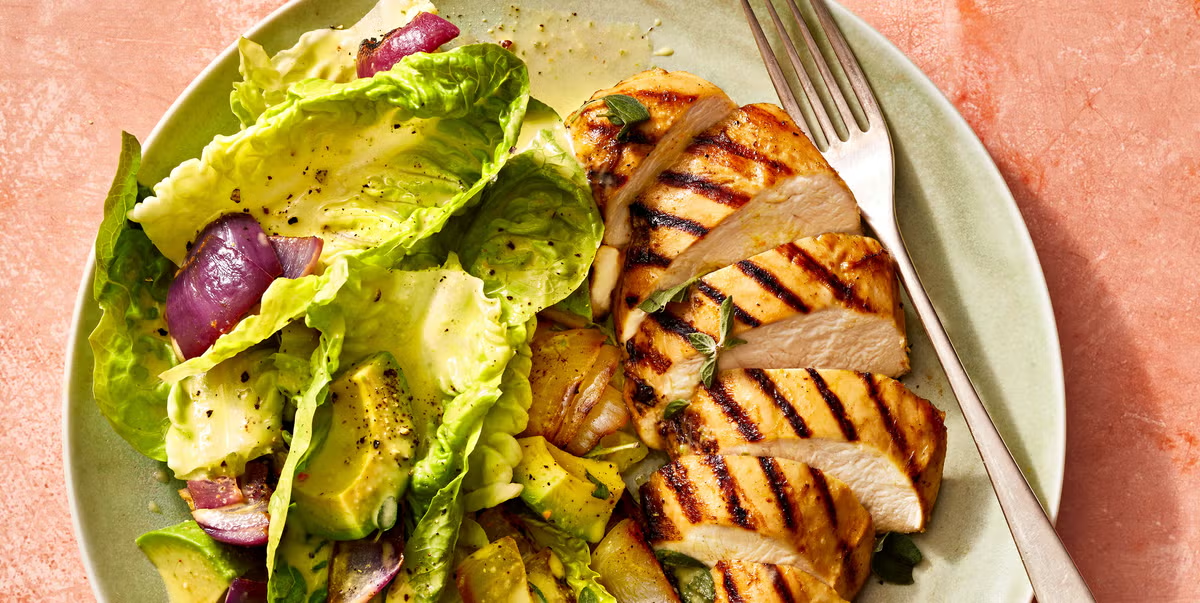
How to enjoy: Grilled with herbs, roasted with vegetables, or shredded into lettuce wraps.
9. Broccoli — Fiber Champion
Broccoli and cruciferous vegetables are fiber powerhouses. One cup cooked contains about 6g carbs (2g net) and provides satisfying crunch and bulk.
Their high fiber-to-carb ratio makes them ideal for low-carb plates that still feel substantial.
How to enjoy: Roasted with olive oil and parmesan, or riced as a low-carb grain alternative.
10. Olive Oil — Satiety-Enhancing Fat
Olive oil isn't filling alone, but it plays a crucial supporting role. Drizzling extra virgin olive oil over food enhances flavor and helps absorb fat-soluble vitamins. The oleic acid has been linked to appetite regulation.
A tablespoon has about 120 calories and zero carbs. Used strategically, it transforms simple meals into something deeply satisfying.
How to enjoy: As salad dressing, drizzled over roasted vegetables, or for sautéing proteins.
Comparison Table: High-Satiety Low-Carb Foods
| Food | Protein | Net Carbs | Fiber | Key Satiety Factor |
|---|---|---|---|---|
| Eggs (2 large) | 12g | 1g | 0g | Complete protein + slow digestion |
| Greek Yogurt (7 oz) | 20g | 6g | 0g | High protein + probiotics |
| Avocado (1/2 fruit) | 2g | 2g | 7g | Healthy fats + fiber |
| Salmon (4 oz) | 22g | 0g | 0g | Omega-3s + high protein |
| Spinach (2 cups) | 1g | 1g | 1g | High volume + low calories |
| Almonds (1 oz) | 6g | 2.5g | 3.5g | Protein + fiber + healthy fats |
| Cottage Cheese (1 cup) | 25g | 6g | 0g | Slow-digesting casein protein |
| Chicken Breast (4 oz) | 35g | 0g | 0g | Lean protein + high thermic effect |
| Broccoli (1 cup cooked) | 3g | 2g | 5g | High fiber + crunch |
| Olive Oil (1 tbsp) | 0g | 0g | 0g | Flavor enhancement + oleic acid |
Benefits & Risks
Benefits
- Reduced snacking: Full meals mean fewer calories without counting.
- Steady energy: No blood sugar spikes means sustained focus.
- Better portion control: Satisfaction helps distinguish true hunger from emotional eating.
- Improved body composition: Higher protein supports muscle while promoting fat loss.
Risks to Consider
- Overdoing fat: Healthy fats are calorie-dense. Portion control with nuts, oils, and avocados matters.
- Missing nutrients: Cutting carbs too aggressively can reduce vitamins from fruits and grains. Eat varied vegetables.
- Digestive changes: A sudden fiber and fat increase can cause bloating. Increase gradually and hydrate.
- Individual variation: What keeps one person full may differ. Listen to your body.
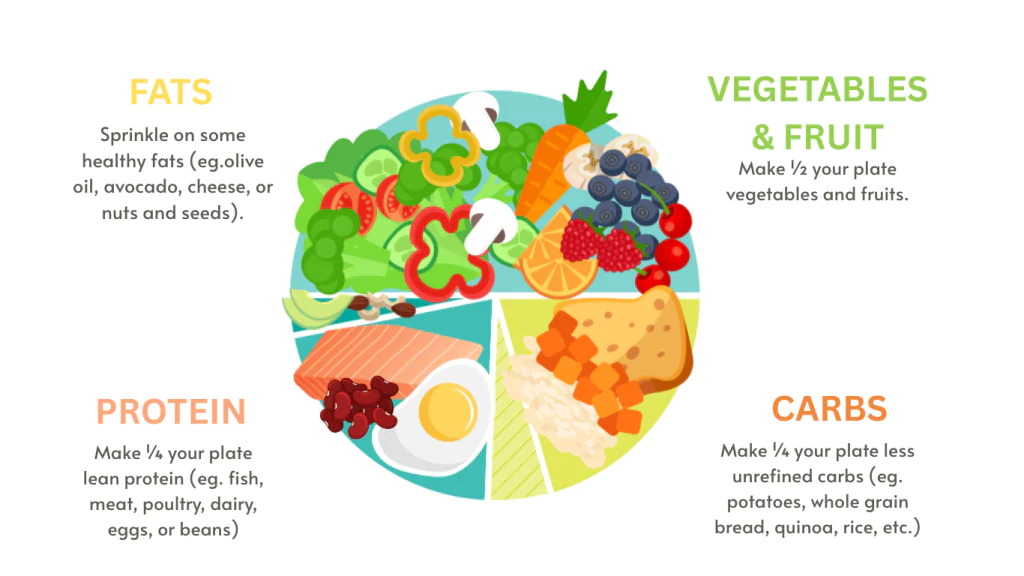
Expert Tip: Build Your Plate
Here's a simple framework for satisfying low-carb meals:
Half your plate: Non-starchy vegetables (spinach, broccoli, zucchini, peppers)
Quarter: High-quality protein (eggs, fish, chicken, Greek yogurt)
Quarter: Healthy fats (avocado, olive oil, nuts, seeds)
Flavor boosters: Herbs, spices, lemon, vinegar, fermented foods
This keeps carbs low while maximizing satiety — no deprivation needed.
FAQ
Can you feel full on a low-carb diet?
Absolutely. Choose foods rich in protein, fiber, and healthy fats. Many people feel more satisfied once they shift away from processed carbs that cause blood sugar spikes.
Why am I still hungry after eating low-carb?
Check your protein and fat intake. Meals too low in protein or relying on processed low-carb products often lack fullness-triggering nutrients. Also ensure you're eating enough total calories.
How many carbs should I eat to stay full?
Most people find 50–100g net carbs daily, while prioritizing protein and fiber, provides good satiety. Experiment and listen to your body.
Are low-carb snacks helpful?
Yes, when chosen wisely. Hard-boiled eggs, a small handful of nuts, Greek yogurt, or raw vegetables are excellent. Avoid processed low-carb snacks high in artificial ingredients.
Will more protein damage my kidneys?
For healthy individuals, higher protein is generally safe. If you have kidney disease, consult your healthcare provider first.
Highly Recommended: Don't let silent digestive struggles slow you down. Give your gut the deep organic refresh it deserves. Go to the Official US Online Store and Order Your Toxic OFF Supply While Stock Lasts!
Final Thoughts: Satisfaction Is the Goal
The best diet is the one you can stick with. Sustainability comes from satisfaction — not willpower. When meals are genuinely filling and nourishing, you don't need discipline to avoid overeating. It happens naturally.
Eggs, salmon, avocados, leafy greens, nuts, and Greek yogurt have stood the test of time because they work. They keep you full, support your health, and make eating well feel effortless.
Start by adding just two or three of these foods to your daily routine. Notice how your energy, hunger, and cravings shift. Small changes, consistently applied, lead to lasting results.
Always consult a healthcare professional before making significant dietary changes.
━━━━━━━━━━━━━━━━━━ 🎥 Recommended Video https://www.youtube.com/results?search_query=low+carb+foods+that+keep+you+full+longer


0 Comments