We spend roughly a third of our lives asleep, yet most of us treat it like an afterthought. We stay up scrolling, wake up to alarms we hate, and drag through the day wondering why coffee isn't cutting it anymore. The truth is, sleep isn't just rest. It's maintenance. Your brain cleans house, your body repairs tissue, and your hormones recalibrate—all while you're unconscious.
When sleep goes wrong, everything else follows. Mood dips. Focus shatters. Cravings spike. Immunity weakens. And yet, the mistakes that ruin sleep are so common that most people don't even realize they're making them. They're just habits, woven into daily life, silently stealing the recovery your body desperately needs.
🔥 Secure US Health Notice: If you want to naturally flush out harmful toxins, flatten your stomach, and crush intense sugar cravings, you can check out the premium organic cleanse currently trending across the USA. Click Here to Claim Your Exclusive 50% Official US Store Discount Today!
Let's talk about the biggest sleep mistakes people make—and the simple, practical fixes that can turn your nights around.

1. Treating Bedtime Like a Suggestion
Here's the mistake that undermines everything else: going to bed at a different time every night. Your body runs on circadian rhythms—internal clocks that thrive on consistency. When your bedtime shifts by two or three hours depending on the day, your brain never knows when to start producing melatonin, the hormone that makes you sleepy.
The fix is embarrassingly simple. Pick a bedtime and stick to it, even on weekends. Within a week or two, your body will start feeling tired at that time naturally. You'll fall asleep faster, sleep more deeply, and wake up without that groggy, disoriented feeling. Consistency is the single most powerful sleep tool most people ignore.
2. Bringing Screens to Bed
Your phone, tablet, and laptop all emit blue light, which suppresses melatonin production and tricks your brain into thinking it's still daytime. But the problem goes deeper than light. The content itself—emails, news, social media—keeps your mind alert and engaged when it should be winding down.
The ideal solution is a screen-free hour before bed. Read a physical book, stretch, journal, or simply sit quietly. If that's too hard, start with 30 minutes. Or use night mode and blue light filters as a bridge. But understand that filters help with light, not with mental stimulation. The best sleep happens when both your eyes and your brain are offline.
3. Using Alcohol as a Sleep Aid
A glass of wine might make you feel drowsy, but it doesn't help you sleep well. Alcohol fragments your sleep architecture, reducing the amount of restorative deep sleep and REM sleep you get. You might fall asleep quickly, but you'll wake up more often, feel less rested, and struggle with grogginess the next day.
If you enjoy a drink, have it with dinner, not right before bed. Give your body at least three hours to metabolize it before you lie down. Your sleep quality will improve noticeably, and you'll wake up feeling genuinely refreshed instead of just functional.
4. Ignoring Your Sleep Environment
Your bedroom should be a cave. Cool, dark, quiet. Most people sleep best between 60 and 67 degrees Fahrenheit. A room that's too warm interferes with the natural drop in body temperature that signals sleep onset. Light, even small amounts from electronics or street lamps, disrupts melatonin. And noise fragments sleep even if you don't fully wake up.
Invest in blackout curtains or a sleep mask. Use a white noise machine or fan to mask disruptive sounds. And turn down the thermostat. These environmental tweaks cost little but deliver outsized returns. Your bedroom should be the most boring room in your house, and that's a compliment.
5. Caffeine Timing That Sabotages Sleep
Caffeine has a half-life of about five to six hours. That means if you drink coffee at 4 p.m., half of it is still circulating in your system at 10 p.m. For sensitive people, even afternoon caffeine can delay sleep onset and reduce deep sleep.
The general rule is to cut off caffeine six to eight hours before bedtime. If you go to bed at 10 p.m., your last cup should be around 2 p.m. Switch to herbal tea or decaf in the afternoon. And remember that caffeine hides in chocolate, certain medications, and energy drinks. Track your intake honestly, and you might find the culprit behind your restless nights.
6. Lying in Bed Awake for Hours
This one is counterintuitive. When you can't sleep, the worst thing you can do is stay in bed trying harder. Your brain starts associating the bed with frustration and wakefulness, which makes insomnia worse over time.
If you've been awake for more than 20 minutes, get up. Go to another room and do something calm and boring. Read a few pages of a dull book. Fold laundry. Sit in dim light. Only return to bed when you feel genuinely sleepy. This retrains your brain to see the bed as a place for sleep, not a place for stress.
7. Skipping a Wind-Down Routine
You can't sprint a marathon, and you can't sprint to sleep. Your nervous system needs a gradual transition from alertness to rest. Most people try to go from full-speed work mode to lights-out in ten minutes, then wonder why their mind is racing.
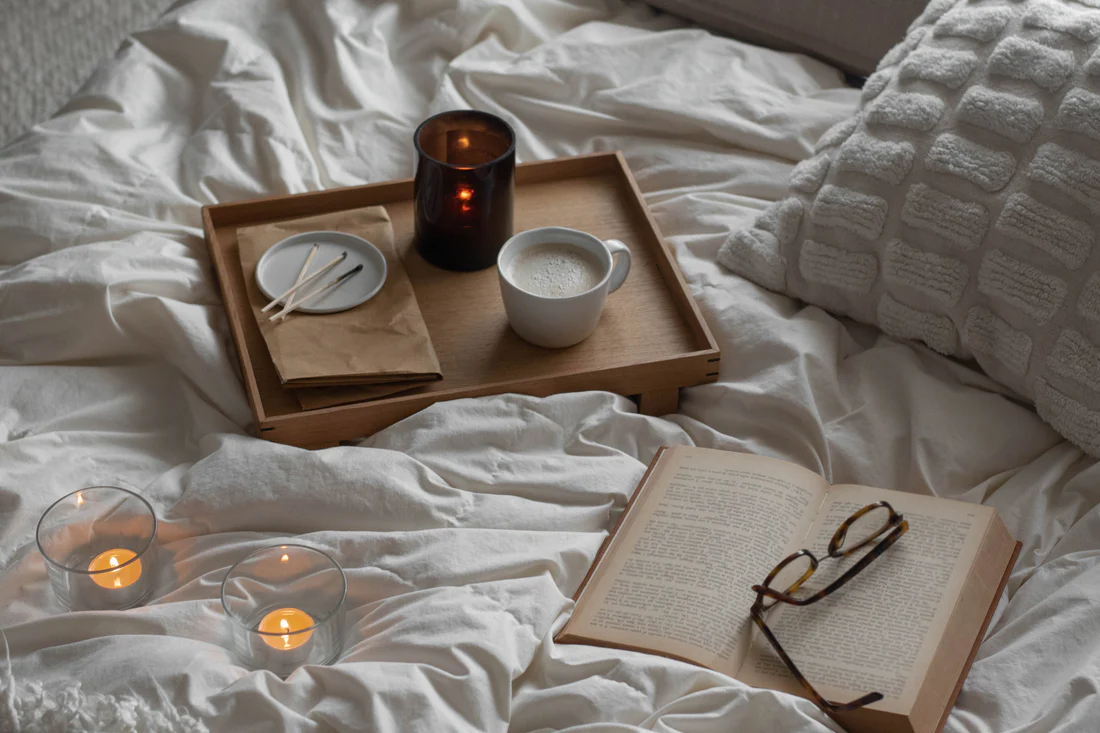
Create a simple 20 to 30 minute wind-down. Dim the lights. Take a warm shower—your body cooling afterward mimics the natural temperature drop that promotes sleep. Do light stretching. Write down tomorrow's to-do list so your brain isn't holding it. This routine signals to your body that the day is ending, and sleep is coming.
8. Napping Without Strategy
Naps can be restorative, but they can also wreck your nighttime sleep if done wrong. Long naps, especially late in the day, reduce your sleep drive and make it harder to fall asleep at your regular bedtime.
If you need to nap, keep it short—20 to 30 minutes—and early in the afternoon. This provides a boost without entering deep sleep or interfering with your circadian rhythm. Think of it as a power-up, not a replacement for a full night's rest.
🔥 Secure US Health Notice: If you want to naturally flush out harmful toxins, flatten your stomach, and crush intense sugar cravings, you can check out the premium organic cleanse currently trending across the USA. Click Here to Claim Your Exclusive 50% Official US Store Discount Today!
Benefits & Risks
| Smart Sleep Habits | Sleep Mistakes to Avoid |
|---|---|
| Consistent bedtime, even on weekends | Irregular sleep schedule that confuses your body clock |
| Screen-free wind-down hour before bed | Scrolling on phone or watching TV until you fall asleep |
| Cool, dark, quiet bedroom environment | Sleeping in a warm, bright, or noisy room |
| Cutting caffeine off 6 to 8 hours before bed | Drinking coffee, tea, or energy drinks in the late afternoon |
| Getting out of bed if awake for 20+ minutes | Lying in bed frustrated, reinforcing insomnia |
Expert Tip
Track your sleep for one week without changing anything. Most people have no idea what their actual sleep patterns look like. They guess at bedtime, underestimate screen time, and forget about that afternoon espresso. Use a simple sleep diary or a basic app to log when you go to bed, when you wake up, and how you feel.
After a week, the patterns become obvious. Maybe you're consistently going to bed two hours later than you think. Maybe your "one cup of coffee" is actually three. Maybe your weekend sleep schedule is undoing your weekday progress. Data reveals the truth, and truth makes change possible. Fix one issue at a time, starting with the biggest offender.
Frequently Asked Questions
How many hours of sleep do I actually need?
Most adults function best with 7 to 9 hours. Some people feel great on 7, others need closer to 9. The key is waking up naturally before your alarm and feeling alert during the day. If you're dependent on caffeine to function, you probably need more sleep.
Can I catch up on sleep on weekends?
Not really. Sleeping in on weekends can help a little, but it doesn't fully reverse the damage of chronic sleep deprivation. It also disrupts your circadian rhythm, making Monday mornings harder. Consistency beats catch-up sleep every time.
What if I work night shifts?
Night shift work challenges your natural circadian rhythm, but you can still optimize sleep. Keep your sleep environment dark and cool during the day. Use blackout curtains and earplugs. Maintain a consistent sleep schedule even on days off. And prioritize sleep as seriously as you would any other health habit.
Do sleep supplements actually help?
Melatonin can help with jet lag or short-term sleep disruption, but it's not a long-term solution for chronic insomnia. Magnesium and certain herbal teas may promote relaxation. Always talk to a healthcare provider before starting supplements, especially if you take other medications.
When should I see a doctor about sleep problems?
If you've tried improving your sleep habits for several weeks and still struggle with falling asleep, staying asleep, or feeling rested, it's worth consulting a professional. Persistent insomnia, loud snoring, or gasping during sleep could indicate underlying conditions that need treatment.
Highly Recommended: Don't let silent digestive struggles slow you down. Give your gut the deep organic refresh it deserves. Go to the Official US Online Store and Order Your Toxic OFF Supply While Stock Lasts!
Final Thoughts
Sleep isn't a luxury. It's a biological necessity, and treating it like one changes everything. Better sleep means better mood, sharper thinking, stronger immunity, and more stable energy. The fixes aren't complicated, but they do require intention.
Start with one change. Pick the mistake that resonates most—maybe it's your caffeine timing, your phone habit, or your inconsistent bedtime. Fix that one thing first. Let it stick. Then add another. Small, steady improvements compound into nights that genuinely restore you.
Your body knows how to sleep. It just needs the right conditions. Give it consistency, darkness, cool air, and a calm mind. The rest will follow naturally.
🎥 Recommended Video
https://www.youtube.com/results?search_query=sleep+mistakes+how+to+improve+sleep+routine+beginners


0 Comments