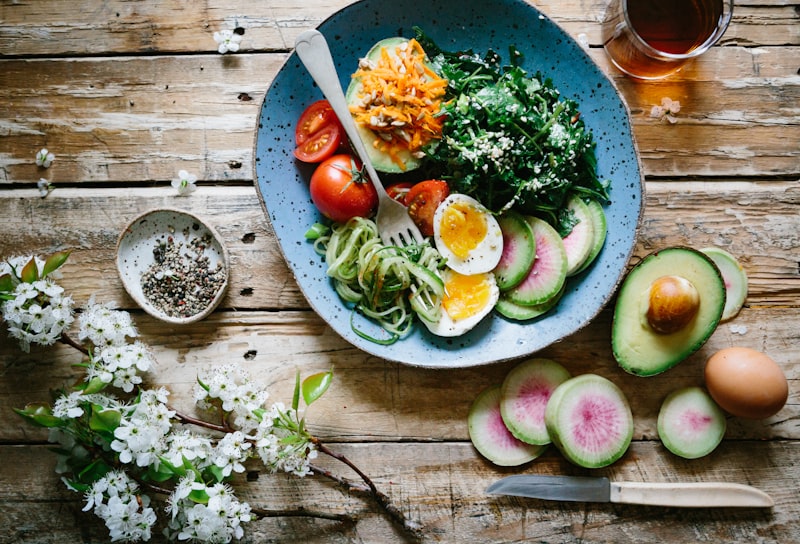
Every January, the internet floods with “superfood” lists that read like a scavenger hunt for ingredients you’ve never heard of. Maca powder. Camu camu. Adaptogenic mushrooms with names you can’t pronounce. And somewhere between the hype and the $14 smoothie add-ins, we forget that the most powerful foods for your health are probably already in your kitchen.
The wellness conversation is finally shifting back to basics. Not because exotic ingredients don’t have benefits — they do — but because the everyday foods we overlook are backed by decades of research, cost a fraction of the price, and don’t require a specialty store to find. Here are the ones earning their place on more wellness lists in 2026.
Fiber: The Nutrient Nobody Talks About Enough
If protein was the star of 2024, fiber is taking over in 2026. And for good reason. The American Gut Project — the largest microbiome study ever conducted, involving over 10,000 participants — found that people who ate 30 or more different plant species per week had significantly more diverse gut microbiomes than those eating 10 or fewer. That diversity is linked to better outcomes across nearly every health metric studied.
A landmark 2019 analysis in The Lancet backed this up with hard numbers: people consuming 25–29 grams of fiber daily had a 15–30% reduction in all-cause mortality compared to those eating less than 15 grams. The benefits kept climbing with higher intake.
The problem? An estimated 96% of adults don’t hit the recommended 30 grams per day. The fix isn’t complicated. Oats at breakfast. Beans in your chili. A handful of almonds as a snack. An apple instead of chips. Small, everyday choices that stack up fast.
Legumes: The Original Budget Superfood
Beans, lentils, chickpeas, and peas have been dietary staples across cultures for thousands of years. They’re finally getting the modern wellness recognition they deserve. Legumes are one of the few foods that deliver meaningful amounts of protein, fiber, folate, iron, and complex carbohydrates in a single, inexpensive package.
Research consistently links regular legume consumption to improved type 2 diabetes management, reduced blood pressure, lower cholesterol, and healthy weight maintenance — largely because their fiber and protein content keeps you full longer than refined carbohydrates.
And here’s the practical angle: a can of black beans costs under a dollar and turns a basic rice bowl into a nutritionally complete meal. No powder required. No subscription box. Just food that works.
Leafy Greens: More Than Just Salad Filler
Spinach, kale, Swiss chard, and collard greens have earned their reputation through actual science, not marketing. They’re dense sources of vitamin A, vitamin C, calcium, iron, magnesium, folate, and fiber — plus carotenoids and other phytochemicals with anti-inflammatory properties that may protect against certain cancers.
The key is variety and preparation. Raw kale in a salad works for some people. For others, sautéing spinach with garlic and olive oil makes it actually enjoyable. Throwing a handful of greens into a soup, stew, or smoothie is the easiest way to hit your daily quota without feeling like you’re eating rabbit food. The wellness lists of 2026 are finally treating greens as versatile ingredients, not punishment.
Berries: Nature’s Candy With a Resume
Blueberries, strawberries, raspberries, and blackberries are consistently ranked among the most antioxidant-rich foods available. Their deep colors signal high concentrations of anthocyanins and other polyphenols linked to reduced risk of heart disease, cancer, and inflammatory conditions.
Fresh berries can be pricey out of season, but frozen berries are just as nutritious — often more so, since they’re picked at peak ripeness and flash-frozen before nutrients degrade. Add them to yogurt, oatmeal, smoothies, or eat them straight from the bag. They’re sweet enough to satisfy dessert cravings while delivering fiber and nutrients that candy never will.
Nuts and Seeds: The Snack That Pays Dividends
Almonds, walnuts, pistachios, chia seeds, flaxseeds, and pumpkin seeds are calorie-dense — which makes some people nervous — but research consistently shows that regular nut consumption is associated with reduced heart disease risk and, in some cases, weight loss when substituted for less healthy snacks.
The mechanism is straightforward: nuts and seeds deliver fiber, plant protein, and heart-healthy monounsaturated fats that increase satiety. A small handful — roughly one ounce — is enough to curb afternoon hunger without derailing your day. The trick is pre-portioning. Eating from the bag is a trap.
Olive Oil: The Fat That’s Actually Good for You
Olive oil is a cornerstone of the Mediterranean diet, one of the most well-studied eating patterns in nutritional science. It’s rich in monounsaturated fatty acids and polyphenols that reduce inflammation and have been linked to lower risk of heart disease and diabetes.
Extra virgin olive oil — the least processed grade — retains the highest polyphenol content. Use it for salad dressings, drizzling over roasted vegetables, or as a finishing oil. For cooking, regular olive oil handles heat better. Either way, replacing butter or seed oils with olive oil is one of the simplest upgrades you can make.
Yogurt and Kefir: Gut Health in a Spoon
Fermented dairy products like yogurt and kefir deliver protein, calcium, B vitamins, potassium, and — most importantly — live probiotic cultures that support digestive health and immune function.
Kefir, a fermented milk drink, typically contains more probiotic strains than yogurt and is often well-tolerated by people with lactose intolerance due to the fermentation process breaking down lactose. The key is choosing plain, unsweetened varieties. Flavored yogurts can pack as much added sugar as a candy bar, which defeats the purpose entirely.
Why the Shift Back to Everyday Foods Matters
The 2026 wellness landscape is marked by what industry analysts call “minimal ingredients” and “clean eating” — but the practical translation is simpler than the buzzwords suggest. People are tired of $40 supplement regimens and powders with ingredient lists they can’t read. They want food that’s recognizable, affordable, and backed by real science.
Beans. Greens. Berries. Nuts. Olive oil. Yogurt. These aren’t trends. They’re foundations. And the fact that they’re finally getting headline space again says more about how broken the wellness industry had become than about any new discovery.
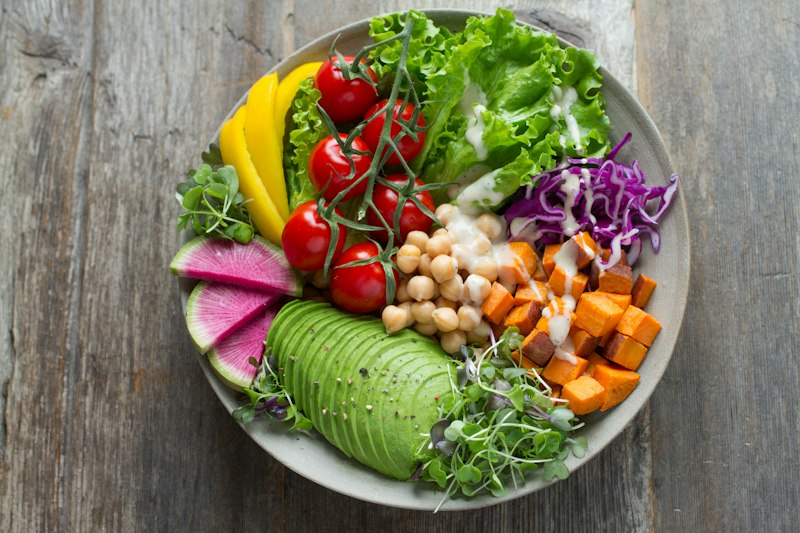
Benefits & Risks
| Food | Key Benefits | Potential Downsides |
|---|---|---|
| Legumes (beans, lentils) | High protein and fiber; improves blood sugar and cholesterol; extremely affordable | Can cause gas/bloating if increased too quickly; needs proper cooking |
| Leafy greens | Vitamins A, C, K, calcium, iron; anti-inflammatory compounds | Some have bitter taste; oxalates in spinach may affect mineral absorption in high amounts |
| Berries | Antioxidant-rich; heart and brain protective; naturally sweet | Fresh berries expensive out of season; frozen is just as nutritious |
| Nuts and seeds | Heart-healthy fats, protein, fiber; increases satiety | Calorie-dense; easy to overeat; portion control matters |
| Olive oil | Anti-inflammatory polyphenols; linked to reduced heart disease risk | High calorie; quality varies; extra virgin is best but pricier |
| Yogurt / Kefir | Probiotics for gut health; protein and calcium; immune support | Flavored varieties often loaded with added sugar; dairy intolerance for some |
| Whole grains | Fiber, B vitamins, minerals; supports heart health and digestion | Contains gluten (wheat, barley, rye); may spike blood sugar if refined |
Expert Tip
Don’t try to overhaul your entire diet overnight. Pick one category from this list and add it to your routine this week. Maybe it’s swapping your morning cereal for oatmeal with berries. Maybe it’s adding a can of chickpeas to your dinner rotation. Maybe it’s replacing your afternoon chips with a small handful of almonds. The American Gut Project’s research showed that hitting 30 different plant species per week was the magic number for microbiome diversity — but that includes herbs, spices, grains, nuts, and seeds, not just vegetables. A week of varied eating is easier than it sounds when you stop trying to be perfect and start trying to be consistent.
FAQ
Do I need to eat all of these foods every day?
No. The goal is variety over time, not perfection at every meal. Aim to include several of these categories across your week. A diverse diet feeds a diverse gut microbiome, which is what the research consistently links to better health outcomes.
Are frozen vegetables and fruits as healthy as fresh?
Often yes, and sometimes more so. Frozen produce is typically picked at peak ripeness and flash-frozen, preserving nutrients that fresh produce may lose during shipping and storage. Frozen berries, spinach, and mixed vegetables are budget-friendly and nutritionally excellent options.
Can I get enough protein without meat?
Absolutely. Legumes, nuts, seeds, yogurt, and whole grains all contribute meaningful protein. The key is combining sources throughout the day. A lentil soup with whole grain bread, Greek yogurt with nuts, and a bean chili over rice can easily meet daily protein needs without any meat.
Is the “superfood” label actually meaningful?
Not really. The term was coined for marketing purposes and has no regulatory definition. Nutrition experts agree that no single food holds the key to good health. What matters is the overall pattern of your diet — and these everyday foods form a pattern that’s been validated by decades of research.
What if I’m on a tight budget?
These foods are actually ideal for budget eating. Dried beans, lentils, oats, frozen vegetables, and seasonal fruit are among the cheapest staples in any grocery store. A can of beans costs less than a dollar. A bag of frozen spinach lasts multiple meals. The idea that healthy eating is expensive is a myth propagated by the wellness industry selling $12 juices.
Final Thoughts
The wellness industry loves a new discovery. But the foods that actually move the needle on your health aren’t new. They’ve been feeding humans for millennia. They’re cheap. They’re available at any grocery store. And they don’t require a degree in nutrition to prepare.
Beans, greens, berries, nuts, olive oil, yogurt, whole grains. These are the foods earning their spot on wellness lists in 2026 not because they’re trendy, but because the science finally caught up to what grandmothers have known all along: real food works.
You don’t need a superfood. You need a super habit — and that habit is eating more of the ordinary foods that happen to be extraordinary for your body.
🎥 Recommended Video
https://www.youtube.com/results?search_query=everyday+superfoods+fiber+gut+health+wellness+2026


0 Comments