Introduction
Long before pharmacies lined every street corner, people turned to what was growing in their gardens, sitting in their pantries, or steeping in a pot on the stove. Natural remedies have been part of human life for thousands of years, and while modern medicine has given us incredible tools, there's still something deeply comforting about reaching for a familiar home remedy when you're not feeling your best.
These aren't miracle cures or replacements for professional medical care. They're gentle, time-tested practices that people continue to use because they genuinely help — and because they feel good in the process. A warm cup of ginger tea for an upset stomach. A spoonful of honey for a scratchy throat. A few drops of lavender oil to ease into sleep. Simple, accessible, and surprisingly effective.
In this guide, we're exploring the natural remedies people still reach for to feel better at home. These are the ones that have stood the test of time, backed by generations of use and, in many cases, a growing body of modern research.
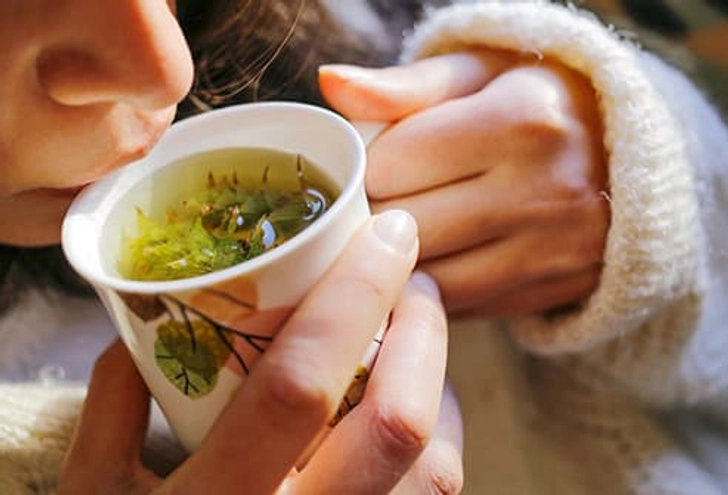
Why Natural Remedies Still Matter
There's a reason certain home remedies get passed down from grandparents to parents to children. When something works, people remember it. And while natural remedies aren't appropriate for every situation — serious illness and chronic conditions absolutely require professional care — they fill an important gap in everyday wellness.
Natural remedies tend to be gentle on the body, inexpensive, and easy to access. You don't need a prescription to brew chamomile tea or apply a warm compress. They're also deeply personal. The ritual of preparing a remedy can be calming in itself, creating a moment of pause and self-care during an otherwise hectic day.
It's worth noting that "natural" doesn't automatically mean "safe for everyone." Some herbs interact with medications, and certain remedies aren't suitable for pregnant women, young children, or people with specific health conditions. Always use common sense, start with small amounts, and consult a healthcare provider if you're unsure.
Natural Remedies People Still Use at Home
1. Ginger for Nausea and Digestive Upset
Ginger has been used for digestive issues across cultures for centuries, and modern research supports what traditional medicine has long known. The active compounds in ginger help soothe the stomach and reduce nausea.
The easiest way to use it? Fresh ginger tea. Slice a thumb-sized piece of fresh ginger root and steep it in hot water for ten minutes. Add a little honey and lemon if you like. Sip it slowly when your stomach feels off or when you're dealing with motion sickness.
Ginger is also wonderful grated into stir-fries, soups, and smoothies. Keeping a knob of fresh ginger in your freezer makes it easy to grate whenever you need it.
2. Honey for Coughs and Sore Throats
This one is so simple it almost feels too good to be true, but research consistently shows that honey can be as effective as over-the-counter cough suppressants for soothing nighttime coughs — especially in children over one year old.
A spoonful of raw honey on its own can coat and calm an irritated throat. Mixed into warm water with lemon, it becomes a comforting drink that hydrates and soothes at the same time. Manuka honey has particularly strong antibacterial properties, though regular raw honey works well too.
One important note: never give honey to infants under one year old due to the risk of botulism.
3. Chamomile Tea for Relaxation and Better Sleep
Chamomile is one of the most widely consumed herbal teas in the world, and for good reason. Its gentle, apple-like flavor is pleasant, and its calming properties are well-documented. The plant contains compounds that may bind to the same receptors in your brain as certain anti-anxiety medications — but in a much milder, safer way.
A cup of chamomile tea about thirty minutes before bed has become a bedtime ritual for millions of people. It's caffeine-free, naturally sweet, and creates a sensory cue that tells your body it's time to wind down. For an extra calming boost, add a splash of warm milk and a drizzle of honey.
If you have a ragweed allergy, use chamomile with caution, as the plants are related and may trigger similar reactions.
4. Epsom Salt Baths for Muscle Aches and Stress
There's something almost magical about sinking into a warm bath after a long day. Add a cup or two of Epsom salt, and the experience becomes therapeutic. Epsom salt is magnesium sulfate, and while the science on whether your skin actually absorbs meaningful amounts of magnesium is still debated, there's no denying how good it feels.
The warm water itself helps relax tight muscles and improve circulation. The ritual of drawing a bath and soaking for twenty minutes creates a forced pause in your day — something most of us desperately need. Add a few drops of lavender essential oil for an extra layer of relaxation.
This remedy is especially popular after workouts, during menstrual cramps, or anytime your body feels like it's carrying more tension than usual.
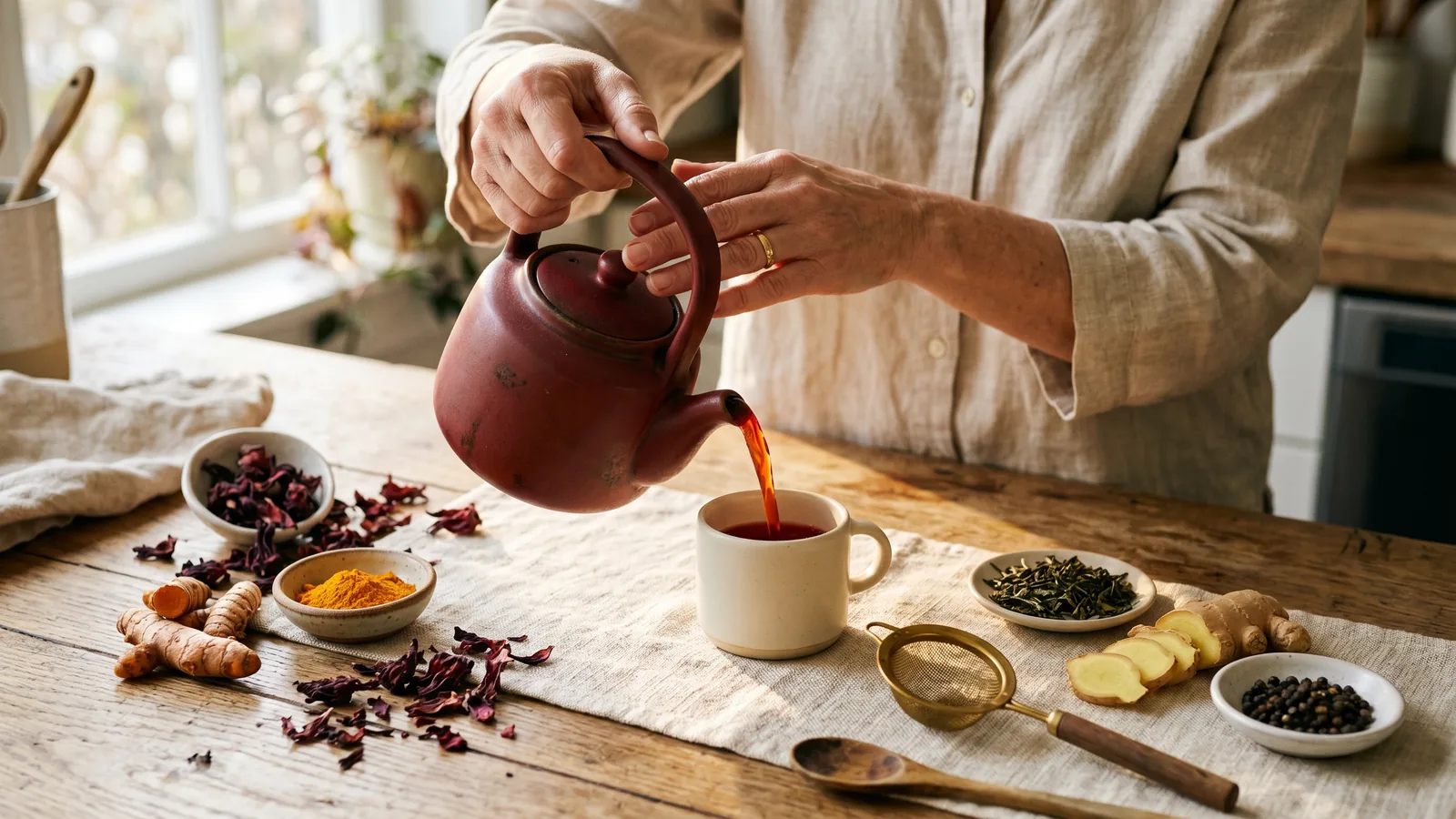
5. Peppermint for Headaches and Digestion
Peppermint is one of the most versatile natural remedies in the home toolkit. The menthol in peppermint has a cooling, soothing effect that can help relieve tension headaches when applied as a diluted essential oil to the temples. It's also a time-tested digestive aid, helping to relax the muscles of the gastrointestinal tract and ease bloating and indigestion.
Peppermint tea is the easiest form to use. Steep fresh or dried peppermint leaves in hot water for five to ten minutes and sip after a heavy meal. For headaches, a few drops of peppermint essential oil mixed with a carrier oil can be massaged gently into the temples and the back of the neck.
Be cautious with peppermint if you have acid reflux, as it can sometimes worsen symptoms in some people.
6. Turmeric for Inflammation and Joint Comfort
Turmeric has exploded in popularity over the past decade, and while some of the hype has been overblown, the science behind its active compound — curcumin — is genuinely promising. Curcumin has been shown to have anti-inflammatory properties that may help with joint discomfort and general inflammation.
The challenge is that curcumin isn't easily absorbed on its own. The traditional solution, used in Ayurvedic medicine for centuries, is to combine turmeric with black pepper and a source of fat. Black pepper contains piperine, which dramatically increases curcumin absorption.
Golden milk — warm milk or a plant-based alternative mixed with turmeric, black pepper, a little honey, and sometimes ginger — is a delicious way to incorporate this remedy into your evening routine. It's comforting, slightly spicy, and feels like a warm hug in a mug.
Benefits & What to Keep in Mind
| Benefits of Natural Home Remedies | Important Safety Notes |
|---|---|
| Gentle on the body with fewer side effects | Not a replacement for professional medical treatment |
| Inexpensive and easy to access | Some herbs interact with prescription medications |
| Can be used alongside conventional care | Always check safety for children and pregnant women |
| Ritual aspect supports mental wellness | Start with small amounts to test tolerance |
| Empowers people to care for themselves | Quality matters — choose reputable, pure sources |
Expert Tip: Keep a Simple Home Remedy Kit
You don't need a cabinet full of exotic herbs to benefit from natural remedies. A small, well-curated collection of basics goes a long way. Here's what I recommend keeping on hand:
Raw honey, fresh ginger root, chamomile tea bags, peppermint tea or fresh leaves, Epsom salt, turmeric powder, and a small bottle of lavender essential oil. With just these seven items, you can address a surprising range of everyday complaints — from sleeplessness and sore throats to muscle aches and upset stomachs.
Store them somewhere visible, not buried in the back of a cabinet. When a remedy is easy to reach for, you're far more likely to actually use it instead of defaulting to whatever's in the medicine drawer.
Frequently Asked Questions
Are natural remedies safe to use with prescription medications?
Some natural remedies can interact with medications. For example, ginger and turmeric may have blood-thinning effects, which could be a concern if you're already on blood thinners. Always check with your healthcare provider before combining herbal remedies with prescription drugs.
Can natural remedies replace seeing a doctor?
No. Natural remedies are wonderful for minor, everyday complaints, but they are not a substitute for professional medical care. If you have persistent symptoms, severe pain, high fever, or any signs of a serious condition, seek medical attention promptly.
How do I know if a natural remedy is working?
Pay attention to how your body responds. Most gentle remedies like chamomile tea or honey work within a short time frame — minutes to hours. If you don't notice any improvement after a reasonable period, or if symptoms worsen, it's time to consult a healthcare professional.
Are essential oils safe to use directly on skin?
Most essential oils should never be applied directly to the skin without being diluted in a carrier oil like coconut, jojoba, or almond oil. Undiluted essential oils can cause irritation, burns, or allergic reactions. Always do a patch test on a small area first.
What's the best way to store natural remedies?
Keep dried herbs and teas in airtight containers away from direct sunlight and heat. Fresh ginger and turmeric store well in the freezer. Honey should be kept at room temperature. Essential oils should be stored in dark glass bottles in a cool, dry place. Proper storage preserves potency and extends shelf life.
Final Thoughts
Natural remedies aren't about rejecting modern medicine. They're about having options — gentle, accessible tools you can reach for when you're dealing with the small, everyday discomforts of life. A sore throat. A restless night. Tight shoulders after a stressful day. These are the moments when a cup of tea, a warm bath, or a spoonful of honey can make a real difference.
The remedies in this article have survived generations because they work. Not dramatically. Not instantly. But consistently, safely, and with a kind of quiet reliability that busy modern life desperately needs.
Start small. Pick one remedy that resonates with you and keep the ingredients on hand. Notice how it feels to care for yourself in this simple, intentional way. Sometimes the most powerful medicine is the kind that reminds you to slow down, breathe, and trust that your body knows how to heal when you give it the right support.
This article is for informational purposes only and is not intended as medical advice. Always consult a qualified healthcare provider before using natural remedies, especially if you are pregnant, nursing, taking medications, or have a chronic health condition.
━━━━━━━━━━━━━━━━━━ 🎥 Recommended Video https://www.youtube.com/results?search_query=natural+home+remedies+feel+better+herbs ━━━━━━━━━━━━━━━━━━


0 Comments