Introduction
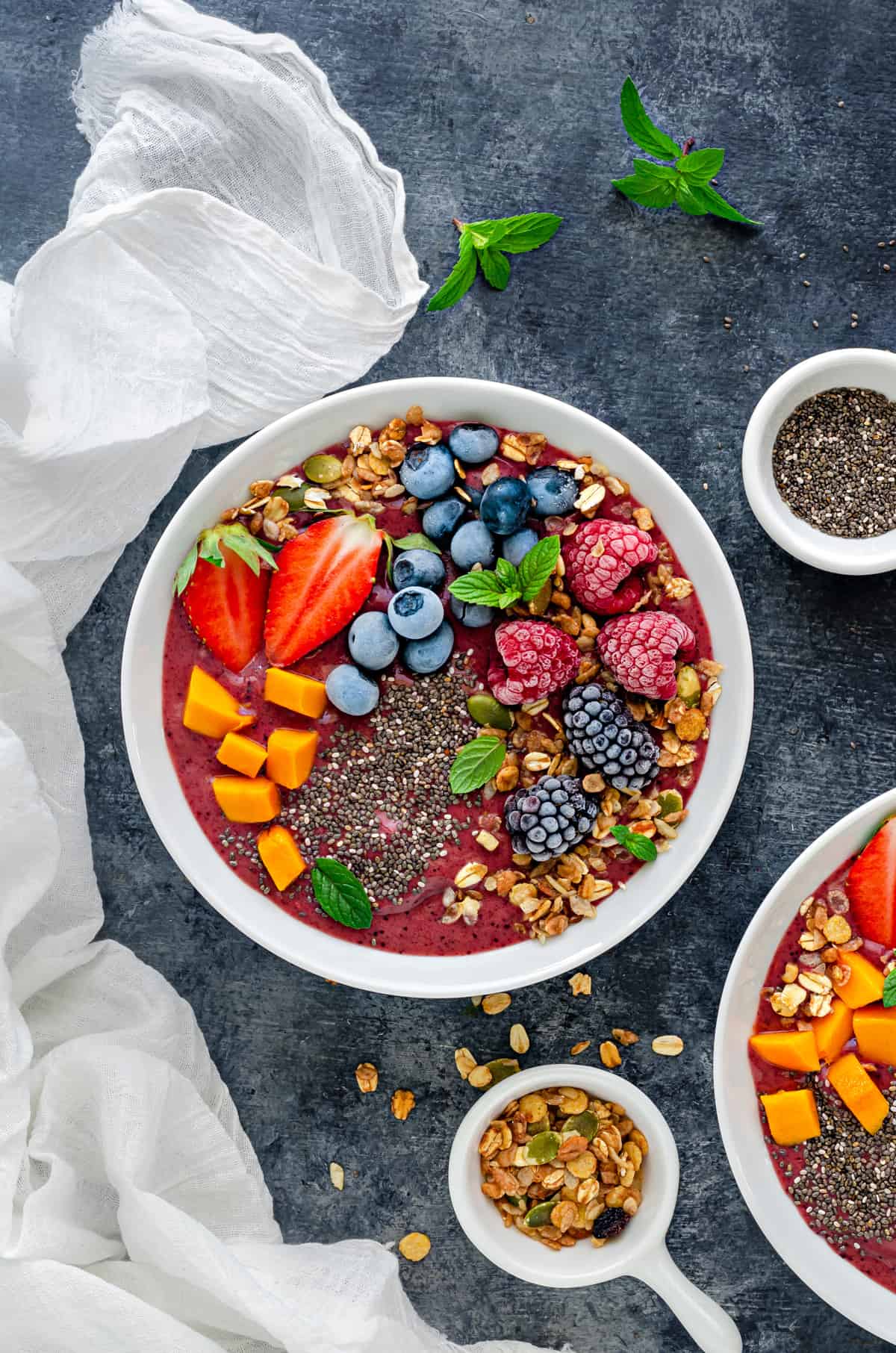
Walk into any trendy café these days and you'll notice the menu has changed. Next to the usual lattes and muffins, there are now vibrant smoothie bowls topped with chia seeds and edible flowers, energy bites rolled in cacao powder, and açaí blends so thick they eat like ice cream. Something is shifting in how people snack — and it's not just about aesthetics.
More and more, people are reaching for foods that do more than fill a hunger gap. They want ingredients that fuel their bodies, support their energy, and taste genuinely good in the process. The nutrient-rich foods being added to smoothies, bowls, and snacks aren't exotic superfoods from distant jungles — they're simple, whole ingredients that have been around forever, now being used with a little more intention.
In this guide, we're exploring the nutrient-dense foods people are actually adding to their daily blends and bites. These are the ingredients that turn an ordinary snack into something that genuinely nourishes you — without requiring a culinary degree or a specialty grocery budget.
Why Nutrient-Dense Snacking Is Having a Moment
For years, snacking had a bad reputation. It was associated with vending machine chips, break-room donuts, and mindless eating in front of a screen. But the conversation around snacking has evolved. People are starting to see snacks not as indulgences to feel guilty about, but as opportunities to add more nutrition to their day.
Smoothies and bowls have become the perfect vehicle for this shift. They're customizable, portable, and can pack an incredible amount of nutrients into a single serving. A well-built smoothie isn't just a drink — it's a meal that happens to come in a cup. And when you start thinking about snacks as mini-meals built around whole foods, the entire approach to eating changes.
The nutrient-rich foods people are adding aren't about perfection or restriction. They're about abundance — packing as much goodness as possible into foods you actually want to eat.
The Nutrient-Rich Foods People Are Adding
1. Leafy Greens — The Quiet Powerhouse
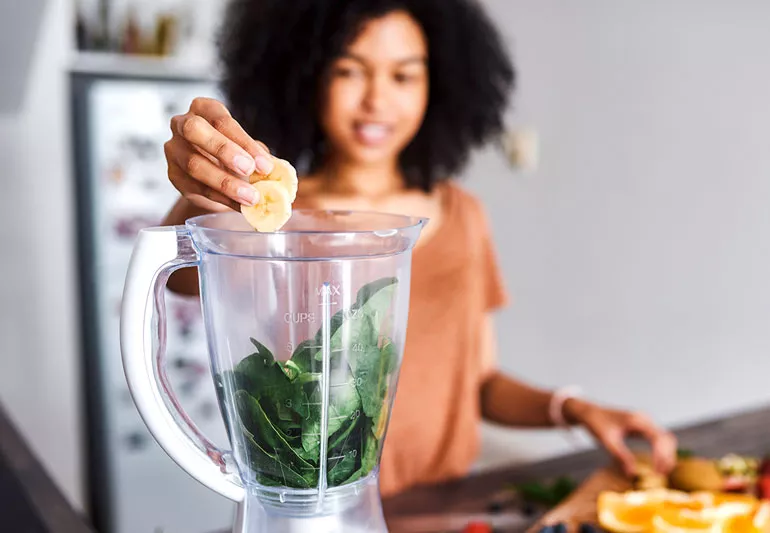
Spinach, kale, and Swiss chard have become smoothie staples for good reason. A handful of spinach blends into almost any fruit smoothie without changing the taste, yet it adds iron, vitamin K, folate, and antioxidants. Kale brings a slightly earthier flavor but packs even more vitamin C and calcium per calorie than most other vegetables.
The trick is balance. A big handful of greens with sweet fruits like banana, mango, or pineapple creates a drink that tastes like a tropical treat while secretly delivering a serious dose of nutrition. Frozen greens work just as well as fresh and make your smoothie colder and thicker.
For bowls, massaged kale or lightly sautéed spinach make excellent bases. Tossed with a lemon-tahini dressing and topped with roasted vegetables, they turn a simple bowl into a genuinely satisfying meal.
2. Berries — Small but Mighty
Blueberries, strawberries, raspberries, and blackberries are among the most nutrient-dense fruits you can eat. They're loaded with fiber, vitamin C, and a class of antioxidants called anthocyanins that give them their deep colors and support heart and brain health.
What makes berries particularly snack-friendly is their low sugar content relative to other fruits. You get sweetness and satisfaction without the blood sugar spike that comes from higher-sugar options. Frozen berries are often more affordable than fresh and make smoothies incredibly thick and creamy.
In bowls, fresh berries add a burst of color, flavor, and texture. On snacks, a handful of berries with a few nuts is a balanced mini-meal that keeps you full for hours.
3. Nuts and Seeds — Healthy Fats That Satisfy
Almonds, walnuts, chia seeds, flaxseeds, and hemp hearts have moved from health food store obscurity to mainstream kitchen staples. They add protein, healthy fats, fiber, and a satisfying crunch that makes any snack feel more substantial.
Chia seeds are particularly popular in smoothies and bowls because they absorb liquid and create a pudding-like texture. Just two tablespoons provide nearly ten grams of fiber — about a third of your daily needs — plus omega-3 fatty acids that support heart health. Soaked overnight in almond milk with a little vanilla, they become a ready-to-eat breakfast or snack base.
Flaxseeds, when ground, blend seamlessly into smoothies and add lignans, compounds with antioxidant properties. Hemp hearts offer complete protein — rare for a plant source — and a pleasant, nutty flavor that works in both sweet and savory applications.
4. Greek Yogurt — Protein and Probiotics
Greek yogurt has earned its place as a smoothie essential. It adds creaminess, tang, and a significant protein boost — often 15 to 20 grams per serving. The probiotics support gut health, which research increasingly links to everything from immune function to mood regulation.
In smoothie bowls, Greek yogurt creates a thick, ice-cream-like base that holds toppings beautifully. In energy balls and snack bites, it can be combined with oats and nut butter for a protein-rich treat that travels well.
For those avoiding dairy, coconut yogurt and plant-based alternatives have improved dramatically in recent years. Look for options with live cultures and minimal added sugar.
5. Nut Butters — Flavor and Sustained Energy
Almond butter, peanut butter, and cashew butter do more than taste good. They add healthy fats and protein that slow digestion and keep blood sugar stable. A spoonful in a smoothie transforms it from a light drink into a genuinely filling meal.
In snack form, nut butter on apple slices, celery sticks, or whole grain crackers is a classic for a reason. It satisfies sweet and savory cravings simultaneously while providing nutrients that support heart health and sustained energy.
When choosing nut butters, look for options with minimal ingredients — ideally just nuts and maybe a pinch of salt. Many commercial brands add sugar and hydrogenated oils that counteract the health benefits.
6. Oats — Fiber for Fullness
Rolled oats might seem like a breakfast-only food, but they're incredibly versatile in smoothies and snacks. A quarter cup of oats blended into a smoothie adds fiber that thickens the texture and keeps you full longer. Overnight oats layered with yogurt and berries become a portable parfait that works as breakfast or a mid-afternoon snack.
Oats contain beta-glucan, a type of soluble fiber that has been shown to help lower cholesterol and support stable blood sugar. They're also one of the most affordable nutrient-dense foods available, making them accessible to almost everyone.
For a simple snack, energy balls made from oats, nut butter, honey, and a handful of dark chocolate chips take ten minutes to prepare and keep in the fridge all week.
Benefits & What to Keep in Mind
| Benefits of Nutrient-Dense Snacking | Things to Watch For |
|---|---|
| Steadier energy without sugar crashes | Portion sizes still matter — nuts and nut butters are calorie-dense |
| More fiber for digestive health | Some smoothie shop drinks are loaded with added sugar |
| Better satiety between meals | Balance fruit with protein and fat to avoid blood sugar spikes |
| Easy way to increase daily vegetable intake | Not all "health" products are actually healthy — read labels |
| Supports overall wellness and immune function | Variety matters — rotate ingredients for a broader nutrient profile |
Expert Tip: The "Build Your Bowl" Formula
When you're standing in front of your fridge wondering what to throw into your smoothie or bowl, use this simple formula: greens + fruit + protein + fat + crunch.
Start with a handful of spinach or kale. Add half a cup of frozen berries or half a banana. Include a scoop of Greek yogurt or a tablespoon of nut butter. Add chia seeds or hemp hearts for healthy fats. Top with granola, coconut flakes, or chopped nuts for crunch.
This formula guarantees a balanced, nutrient-rich snack every time without requiring a recipe. Once you internalize it, building smoothies and bowls becomes as automatic as making a sandwich. The combinations are endless, and you'll never get bored.
Frequently Asked Questions
Are smoothies actually healthy, or just sugary drinks?
Homemade smoothies built around whole fruits, vegetables, protein, and healthy fats are genuinely nutritious. The problem comes from store-bought versions loaded with added sugars, juice concentrates, and artificial ingredients. Build your own, and smoothies become one of the healthiest snacks you can eat.
Do I need expensive superfoods to make nutrient-rich snacks?
Absolutely not. The most nutrient-dense ingredients — spinach, berries, oats, nuts, and yogurt — are affordable and available at any grocery store. You don’t need imported powders or trendy supplements to create snacks that genuinely nourish you.
Can nutrient-dense snacks help with weight loss?
They can support weight management by keeping you full and satisfied, which reduces overall calorie intake. However, portion awareness still matters — especially with calorie-dense ingredients like nut butters and nuts. These snacks work best as part of a balanced approach to eating.
How do I make these snacks portable for work or travel?
Overnight oats in a jar, energy balls in a container, and pre-portioned bags of nuts and dried fruit all travel well. For smoothies, blend the night before and store in a sealed bottle, or use a portable blender at your destination. Mason jars are your friend for bowl-style meals on the go.
What's the best time of day for a nutrient-dense snack?
Whenever you need it. Mid-morning, mid-afternoon, post-workout, or even as a light evening meal — nutrient-dense snacks fit anywhere in your day. Pay attention to your hunger cues and use these foods to bridge gaps between meals or replace a meal when you're short on time.
Final Thoughts
The nutrient-rich foods people are adding to smoothies, bowls, and snacks represent a shift in how we think about eating. It's no longer about restriction and rules. It's about packing as much nourishment as possible into foods that taste good, feel good, and fit into real life.
You don't need a fancy blender, a subscription to an organic farm, or a pantry full of exotic ingredients. You need a handful of spinach, some frozen berries, a scoop of yogurt, and a willingness to experiment. The rest is just mixing and matching.
Start with one new ingredient this week. Add chia seeds to your morning smoothie. Toss hemp hearts into your afternoon yogurt. Blend a handful of kale into your usual fruit blend. Small additions, practiced regularly, transform ordinary snacks into something that genuinely supports your health — one delicious bite at a time.
This article is for informational purposes only and is not intended as medical or nutritional advice. If you have specific dietary needs or health conditions, consult a qualified healthcare provider or registered dietitian.
━━━━━━━━━━━━━━━━━━ 🎥 Recommended Video https://www.youtube.com/results?search_query=nutrient+rich+smoothie+bowl+healthy+snacks ━━━━━━━━━━━━━━━━━━


0 Comments