Introduction
Low-carb eating has been around long enough that most of us know the basics. Cut back on bread, pasta, and sugar. Eat more protein and fat. Watch the pounds come off. But here's the thing nutrition experts have been trying to tell us for years: low-carb doesn't have to mean no-carb, and it definitely shouldn't mean no balance.
In fact, some of the healthiest low-carb approaches are the ones that still make room for vegetables, fiber, and the occasional serving of complex carbohydrates. The problem is that the diet industry often sells low-carb as an all-or-nothing proposition. Either you're in ketosis or you're failing. Either you avoid every grain on earth or you're not doing it right. That mindset isn't just exhausting. It can actually backfire on your health.
So what are nutrition experts actually saying about low-carb eating in 2026? The consensus is clear. A balanced low-carb diet is possible, sustainable, and often more effective than the extreme versions we've been sold. Let's look at what the professionals recommend.

How Experts Are Redefining Low-Carb
1. Carbs Aren't the Enemy, Quality Is
The biggest shift in expert thinking is this: it's not about eliminating carbohydrates entirely. It's about choosing better ones. A low-carb diet that replaces white bread and sugary snacks with non-starchy vegetables, nuts, seeds, and berries is a completely different animal than one that simply loads up on bacon and cheese because they're low in carbs.
Non-starchy vegetables like broccoli, spinach, zucchini, cauliflower, and bell peppers are technically carbohydrates, but they're packed with fiber, vitamins, and minerals. Most experts agree these should make up the bulk of your plate, even on a low-carb plan. When people say they're eating low-carb, what they often mean is they're eating low in refined carbohydrates. That's a meaningful and important distinction.
2. Fiber Still Matters, Even When Carbs Drop
One of the biggest mistakes people make when going low-carb is forgetting about fiber. Many high-fiber foods, like beans, lentils, and whole grains, also contain carbohydrates. Cut them out completely, and your digestive system may start to complain.
Nutrition experts recommend keeping fiber intake front and center by loading up on leafy greens, cruciferous vegetables, chia seeds, flaxseeds, and avocados. Some practitioners even include small portions of legumes or berries, which offer fiber along with antioxidants. The goal is to support gut health, maintain regularity, and keep you feeling full, all of which make a low-carb approach easier to stick with.
3. Healthy Fats Deserve a Spotlight
When you reduce carbs, something has to fill the gap on your plate. Experts are increasingly vocal about making sure that gap is filled with the right kinds of fats. Avocados, olive oil, nuts, seeds, and fatty fish like salmon are all excellent choices. These foods provide essential fatty acids, support heart health, and help you feel satisfied after meals.
What experts caution against is replacing carbs with excessive amounts of processed meats, fried foods, or low-quality oils. Just because something is low in carbohydrates doesn't automatically make it a health-promoting choice. The quality of your fat sources matters just as much as the quantity.
4. Protein Should Be Adequate, Not Excessive
Low-carb diets often become high-protein diets by default, and while protein is undeniably important, more isn't always better. Experts generally recommend a moderate-to-high protein intake that supports muscle maintenance and satiety without going to extremes.
For most people, that means including a palm-sized portion of protein at each meal. Chicken, fish, eggs, tofu, tempeh, and Greek yogurt are all solid options. Spreading protein intake throughout the day, rather than loading up at dinner, helps with muscle protein synthesis and keeps hunger at bay between meals.
5. Don't Fall for the Low-Carb Junk Food Trap
The food industry has responded to the low-carb craze by flooding the market with packaged snacks, bars, and desserts labeled keto-friendly or low-carb. While these products can be convenient, experts warn against building your diet around them.
Many of these items are highly processed, loaded with artificial sweeteners, and lacking in actual nutrition. They might fit your macro goals, but they don't support your overall health. Experts recommend treating these products as occasional conveniences, not dietary staples. Whole, minimally processed foods should still form the foundation of your eating pattern.
6. Personalization Is Non-Negotiable
Perhaps the most important message from nutrition professionals is that there is no single low-carb approach that works for everyone. Some people thrive on a very low-carb ketogenic diet. Others feel best with a moderate reduction, sometimes called a low-carb or reduced-carb approach, that still includes small servings of sweet potatoes, quinoa, or fruit.
Your activity level, age, health status, and personal preferences all play a role. A competitive athlete will likely need more carbohydrates than someone with a sedentary desk job. A person managing type 2 diabetes may benefit from stricter carbohydrate control than someone simply looking to lose a few pounds. Working with a registered dietitian can help you find the sweet spot for your unique situation.
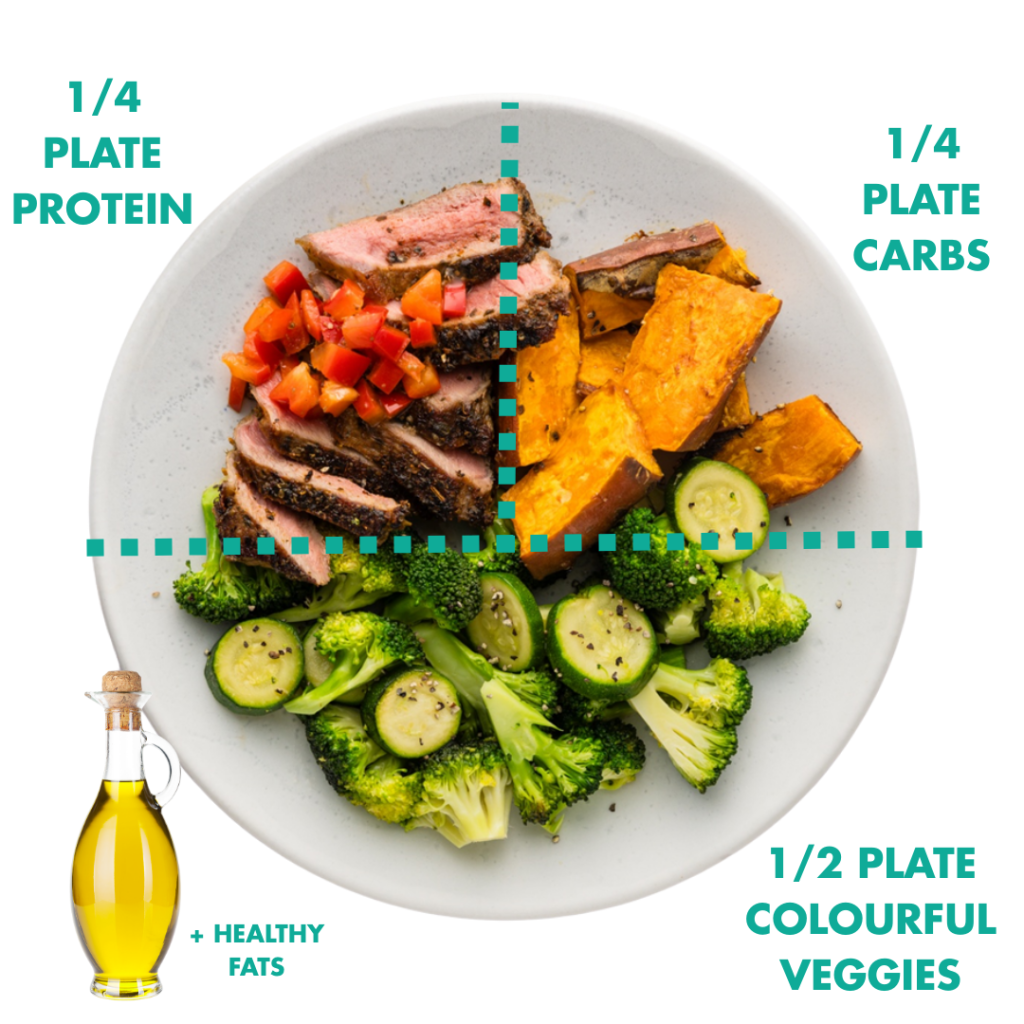
Balanced Low-Carb vs. Extreme Low-Carb
It's worth comparing what a balanced low-carb approach looks like next to the more extreme versions that tend to dominate social media.
| Balanced Low-Carb Approach | Extreme or Unbalanced Low-Carb |
|---|---|
| Half the plate filled with non-starchy vegetables | Minimal vegetable intake, heavy focus on meat and cheese |
| Includes healthy fats from avocados, nuts, and olive oil | Relies on processed meats and low-quality fats |
| Allows small portions of berries, legumes, or whole grains | Eliminates nearly all carbohydrate sources |
| Prioritizes fiber and micronutrient intake | Often low in fiber and certain vitamins |
| Designed for long-term sustainability | Often difficult to maintain beyond a few months |
Benefits & Risks
Potential Benefits
- Better blood sugar control: Reducing refined carbohydrates can help stabilize blood glucose levels, which is especially beneficial for people with insulin resistance or type 2 diabetes.
- Improved satiety: Higher protein and fat intake, combined with fiber from vegetables, often leads to feeling fuller for longer, which can naturally reduce overall calorie intake.
- Heart health support: When done correctly, a balanced low-carb diet that emphasizes healthy fats and vegetables may support cardiovascular health markers.
- Flexibility and sustainability: A moderate approach is easier to maintain in social situations and over the long term compared to very restrictive plans.
Potential Risks or Considerations
- Nutrient deficiencies: Cutting out too many food groups without careful planning can lead to low intake of certain vitamins, minerals, and fiber.
- Keto flu and adaptation: Very low-carb diets can cause temporary fatigue, headaches, and irritability as the body adjusts. Staying hydrated and ensuring adequate electrolytes can help.
- Not suitable for everyone: People with certain medical conditions, pregnant women, and athletes with high energy demands may need more carbohydrates than a low-carb plan provides.
- Social and psychological challenges: Overly restrictive eating patterns can strain social relationships and, in some cases, contribute to disordered eating behaviors.
Expert Tip
Use the plate method before you count macros. Instead of obsessing over grams of carbohydrates, start by visually dividing your plate. Fill half with non-starchy vegetables, one-quarter with protein, and one-quarter with healthy fats or a small serving of complex carbs. This simple framework naturally keeps carbohydrates in check while ensuring you get plenty of fiber, nutrients, and satisfaction. It's far more intuitive than tracking apps, and most people find it much easier to sustain.
Frequently Asked Questions
How many carbs should I eat on a balanced low-carb diet?
There's no universal number, but a moderate low-carb approach typically ranges from 50 to 150 grams of carbohydrates per day. A ketogenic diet is much lower, usually under 50 grams. Where you fall depends on your goals, activity level, and how your body responds. Many experts suggest starting at the higher end and adjusting based on how you feel.
Can I eat fruit on a low-carb diet?
Yes, in moderation. Berries like strawberries, raspberries, and blackberries are lower in sugar and higher in fiber than tropical fruits, making them a popular choice. Small portions of other fruits can fit into a moderate low-carb plan as well. The key is watching portion sizes and balancing them with the rest of your daily intake.
Will I miss out on nutrients if I don't eat grains?
Not necessarily, but you do need to be intentional. Grains provide B vitamins, iron, and fiber, so if you eliminate them, make sure you're getting those nutrients from other sources. Leafy greens, nuts, seeds, eggs, and meat can cover many of those bases. A varied diet is your best insurance policy.
Is low-carb safe for people with high cholesterol?
It can be, but it depends on the approach. A low-carb diet high in saturated fats from processed meats and butter may negatively impact cholesterol for some people. However, a low-carb plan built around vegetables, fish, nuts, and olive oil can actually improve lipid profiles. If you have cholesterol concerns, work with your healthcare provider to monitor your levels.
How do I handle social events while eating low-carb?
Flexibility is your friend. A balanced low-carb approach allows for occasional higher-carb choices without derailing your progress. Eat a protein-rich snack before you go, fill your plate with vegetables and protein at the event, and don't stress about one meal. Consistency over time matters far more than perfection at every single gathering.
Final Thoughts
Low-carb eating doesn't have to be an exercise in deprivation or extremism. The nutrition experts shaping the conversation in 2026 are clear: the best low-carb diet is one that's balanced, flexible, and built around whole foods. It's a diet where vegetables still shine, healthy fats are welcomed, protein is prioritized, and the occasional sweet potato or handful of berries isn't treated like a betrayal.
If you're considering a low-carb approach, start by asking yourself whether it's something you could realistically maintain for the next year, not just the next month. The answer to that question will tell you a lot about whether your plan is balanced enough to work. And if you're unsure where to begin, a registered dietitian can help you build a personalized approach that supports your goals without sacrificing your health or sanity.
Important: This article is for informational purposes only and does not constitute medical or nutritional advice. If you have underlying health conditions, are taking medications, or are considering a significant dietary change, please consult a qualified healthcare professional or registered dietitian.
Related Health Topics to Explore
- Best non-starchy vegetables for a low-carb diet
- Healthy fat sources that support heart health
- How to read nutrition labels for hidden carbs
- Low-carb meal prep ideas for beginners
- Signs your diet might be too restrictive
━━━━━━━━━━━━━━━━━━
🎥 Recommended Video
https://www.youtube.com/results?search_query=balanced+low+carb+eating+nutrition+experts
━━━━━━━━━━━━━━━━━━


0 Comments