Why Natural Home Remedies Are Still Part of So Many Wellness Routines
Walk into almost any home and you'll find them tucked away in kitchen cabinets, bathroom drawers, and pantry shelves. A jar of raw honey. A bottle of apple cider vinegar. A box of chamomile tea. Maybe some aloe vera gel in the fridge or a vial of lavender essential oil on the nightstand. These natural home remedies have been around for centuries, and despite living in an age of advanced medicine and instant pharmaceutical access, they're still very much part of how people care for themselves every day.
But why? What keeps these simple, often old-fashioned remedies relevant when modern healthcare is just a phone call away? Let's explore the real reasons natural home remedies remain woven into so many wellness routines, what science says about the most common ones, and how to use them wisely.
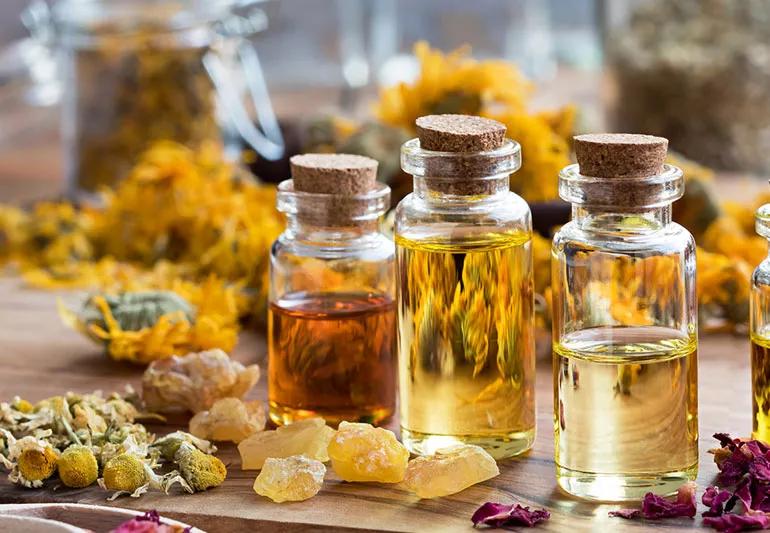
What Counts as a Natural Home Remedy?
Natural home remedies are simple treatments made from plants, foods, minerals, or other naturally occurring substances that people use for minor health complaints and general wellness support. They're not meant to replace medical care for serious conditions. Think of them as your first line of gentle, at-home support—the things you reach for before heading to the pharmacy or calling your doctor.
These remedies typically fall into a few categories:
- Herbal teas and tinctures for digestion, sleep, and immunity
- Kitchen staples like honey, ginger, and garlic with therapeutic properties
- Essential oils for aromatherapy and topical relief
- Mineral supplements like Epsom salt and magnesium
- Time-honored practices like warm salt water gargles or steam inhalation
The key word here is support. These remedies comfort, soothe, and sometimes help the body do what it already knows how to do. They're not cures, and they don't claim to be.
The Remedies That Keep Showing Up in Wellness Routines
1. Raw Honey
Raw honey is probably the most universal kitchen remedy out there. A spoonful in warm tea soothes a scratchy throat. Some parents give a small dose before bed to calm a nighttime cough in kids over one year old. Honey also has natural antimicrobial properties, which is why it's been used in wound care for literally thousands of years.
The science backs some of this up. Studies have shown that honey can be as effective as over-the-counter cough suppressants for relieving nighttime cough in children. Just remember: never give honey to infants under 12 months due to the risk of botulism.
2. Ginger
Fresh ginger root is a powerhouse of a remedy. Grated into hot water with lemon, it makes a comforting drink for an upset stomach or mild nausea. Ginger tea is a staple in many households for motion sickness, morning sickness, or general digestive discomfort. The active compounds in ginger, called gingerols, have been studied for their anti-inflammatory and nausea-reducing effects.
Research supports ginger's effectiveness for pregnancy-related nausea and post-operative nausea. It's generally safe for most people, though it can interact with blood-thinning medications, so check with your doctor if you're on those.
3. Chamomile Tea
Chamomile is the original bedtime remedy. A warm cup before bed helps adults and older kids wind down. It's also gentle enough to use for minor digestive upset or mild anxiety. The calming effect comes from an antioxidant called apigenin, which binds to certain receptors in the brain that promote relaxation.
Several studies have found that chamomile extract may help with generalized anxiety and improve sleep quality. It's mild, generally safe, and has been used for generations without issue.
4. Apple Cider Vinegar
This one divides people—some love it, some can't stand the smell. Diluted in water, apple cider vinegar is often used for digestion support and as a simple toner for skin. While the research is still evolving, many people report that it helps with bloating and blood sugar management after meals.
The acetic acid in vinegar has shown some promise in small studies for improving insulin sensitivity and slowing gastric emptying, which may help with blood sugar spikes. If you try it, always dilute it well to protect your tooth enamel and esophagus.
5. Aloe Vera
The gel from aloe vera leaves is a go-to for sunburns, minor cuts, and skin irritation. It's cooling, soothing, and has genuine anti-inflammatory properties. Many people keep an aloe plant in the kitchen for instant access to fresh gel.
Research confirms aloe vera's effectiveness for minor burns and wound healing. Just be sure to use pure gel rather than products loaded with added fragrances and alcohol, which can irritate sensitive skin.
6. Peppermint Oil
A small bottle of peppermint essential oil is incredibly versatile. Diluted and rubbed on the temples, it may help with tension headaches. A few drops in a diffuser can freshen a room and promote mental clarity. Some people find it helpful for digestive discomfort when used in massage oil on the abdomen.
Studies have shown peppermint oil can be effective for tension headaches when applied topically and for irritable bowel syndrome when taken in enteric-coated capsules. Always dilute essential oils before applying to skin.
7. Epsom Salt Baths
A bag of Epsom salt in the bathroom closet is a classic home remedy. Dissolved in a warm bath, it's a simple way to soothe sore muscles, ease tension, and promote relaxation after a long day. The magnesium in Epsom salt may be absorbed through the skin, though the science on transdermal absorption is still debated.
Even if the magnesium absorption is minimal, the warm bath itself is therapeutic. The heat increases blood flow, relaxes muscles, and triggers the parasympathetic nervous system—your body's rest-and-digest mode.
8. Garlic
Garlic isn't just for flavoring pasta sauce. It has been used medicinally for thousands of years and contains compounds like allicin that have antimicrobial and immune-supporting properties. Some people eat raw garlic at the first sign of a cold, while others prefer aged garlic supplements.
Research suggests garlic may help support cardiovascular health and immune function. It's safe for most people in culinary amounts, though it can thin the blood slightly and may interact with certain medications.

How These Remedies Compare
| Remedy | Best Used For | How to Use It | Evidence Level | Key Caution |
|---|---|---|---|---|
| Raw Honey | Sore throat, cough, minor wounds | 1 tsp in warm tea or applied to skin | Moderate | Never for infants under 1 year |
| Ginger | Nausea, digestion, inflammation | Fresh grated in hot water or tea | Strong | May interact with blood thinners |
| Chamomile Tea | Sleep, anxiety, mild stomach upset | 1 cup before bed | Moderate | Avoid if allergic to ragweed |
| Apple Cider Vinegar | Digestion, blood sugar support | 1 tbsp diluted in water | Limited | Always dilute; protect tooth enamel |
| Aloe Vera | Sunburn, minor cuts, skin irritation | Apply pure gel to affected area | Strong | Avoid internal use of non-food-grade aloe |
| Peppermint Oil | Headaches, mental clarity, digestion | Dilute and apply or diffuse | Moderate | Never apply undiluted to skin |
| Epsom Salt | Muscle soreness, relaxation | 2 cups in warm bath | Limited (for magnesium absorption) | Avoid if you have kidney issues |
| Garlic | Immune support, heart health | Raw in food or aged supplements | Moderate | May interact with blood thinners |
Why Natural Remedies Stay in Our Routines
With pharmacies on every corner and telemedicine a tap away, why do people still reach for honey and ginger? The reasons are more nuanced than you might think:
- They're accessible and affordable: Most of these remedies cost just a few dollars and last for months. You don't need a prescription, an appointment, or insurance coverage.
- They've stood the test of time: Generations of use create a kind of accumulated trust. When your grandmother swore by ginger tea for nausea and it worked for you too, that personal validation matters.
- They feel empowering: There's something deeply satisfying about being able to soothe a sore throat or calm an upset stomach with something from your own kitchen. It builds confidence in your ability to care for yourself and your family.
- They often have fewer side effects: Compared to many over-the-counter medications, natural remedies tend to be gentler on the system when used appropriately.
- They support a holistic mindset: Using natural remedies often goes hand-in-hand with a broader wellness philosophy that values prevention, whole-body health, and working with nature rather than against it.
Benefits of Keeping Natural Remedies in Your Wellness Toolkit
Having these simple remedies on hand offers more than just physical comfort:
- Immediate relief for minor complaints: When a mild issue hits at 9 PM, you don't want to run to the pharmacy. A cup of ginger tea or a warm Epsom salt bath is right there.
- Cost-effective healthcare support: Most of these remedies cost a fraction of their pharmaceutical counterparts and last for months.
- Gentle on the body: For minor issues, many people prefer starting with natural options before reaching for stronger medications.
- Ritual and comfort: There's something deeply soothing about a familiar remedy. Chamomile tea before bed isn't just about the herb—it's about the routine of slowing down.
- Connection to tradition: Using remedies passed down through generations creates a sense of continuity and cultural identity.
Important Risks and Limitations
As much as we love these everyday remedies, they come with boundaries that every wellness-minded person should respect:
- They're not cures: These remedies support comfort and general wellness. They don't treat infections, chronic diseases, or serious medical conditions.
- Quality varies: Not all supplements and herbal products are created equal. Look for reputable brands with third-party testing when possible.
- Interactions exist: Even "natural" remedies can interact with medications. Ginger and garlic, for example, may affect blood clotting. Always check with a healthcare provider if you're on prescription meds.
- Allergies happen: Chamomile can trigger reactions in people allergic to ragweed. Essential oils can cause skin irritation if not properly diluted.
- Dosage matters: More isn't always better. Follow recommended amounts, especially for children.
- Don't delay professional care: If symptoms persist, worsen, or involve high fever, difficulty breathing, severe pain, or anything that feels seriously wrong, seek medical attention. Natural remedies are for support, not substitution.
Expert Tip: Build Your Toolkit Gradually
You don't need to stock a full apothecary overnight. Start with one or two remedies that address your family's most common needs. If someone often gets motion sickness, keep ginger on hand. If bedtime is a battle, try chamomile tea. If muscle soreness is your main complaint, invest in Epsom salt. Build your collection based on what you actually use, not what looks good on a Pinterest board. The best wellness toolkit is the one that fits your real life.
Frequently Asked Questions
Can natural remedies replace prescription medications?
No. Natural remedies can complement conventional care for minor issues, but they should never replace prescribed medications for serious conditions. Always consult your healthcare provider before making changes to any treatment plan.
Are natural remedies safe for children?
Many are, but children require extra caution. Never give honey to infants under one year. Essential oils should be heavily diluted for kids. Always research age-appropriate dosages and consult a pediatrician for guidance.
How do I know if a remedy is actually working or just a placebo?
Some benefits may indeed be placebo effects, and that's not necessarily bad—placebos can produce real physiological changes. However, many natural remedies have genuine active compounds supported by research. The key is using them for appropriate conditions and having realistic expectations.
Can I use multiple natural remedies at once?
Generally yes, but be mindful of interactions. For example, combining multiple blood-thinning remedies like garlic, ginger, and fish oil could increase bleeding risk. When in doubt, consult a healthcare provider.
Where should I buy natural remedies to ensure quality?
Look for reputable brands with third-party testing seals like USP, NSF, or ConsumerLab. For fresh ingredients like ginger and garlic, any grocery store will do. For supplements, health food stores and verified online retailers tend to have better quality control than random marketplace sellers.
Final Thoughts
Natural home remedies aren't a rejection of modern medicine. They're a complement to it—a way to handle the small stuff at home while knowing when to call in the professionals. Raw honey in tea on a cold night. A warm bath after a stressful day. A cup of chamomile before bed. These simple acts of care matter.
The remedies that have stuck around for centuries have done so for a reason. They're accessible, generally safe, and genuinely helpful for the minor aches, pains, and discomforts of daily life. Use them wisely, respect their limits, and remember: the best remedy is knowing when to reach for help beyond your kitchen cabinet.
🎥 Recommended Video
https://www.youtube.com/results?search_query=natural+home+remedies+wellness+routines


0 Comments