If you've scrolled through Instagram, flipped through a wellness magazine, or peeked at your coworker's lunchbox lately, you've probably noticed something: the same kinds of "better-for-you" recipes keep popping up everywhere. Grain bowls loaded with roasted veggies. Sheet-pan chicken with colorful peppers. Overnight oats topped with berries and a drizzle of nut butter. These aren't random trends—they're carefully crafted meal plan staples that nutritionists, fitness coaches, and home cooks keep coming back to.
But why? What makes these specific recipes so irresistible to meal planners? And more importantly, should you be adding them to your own rotation?
Let's dig into the real reasons these dishes dominate modern meal plans, what makes them nutritionally smart, and how you can build your own better-for-you recipe collection without overcomplicating your kitchen time.
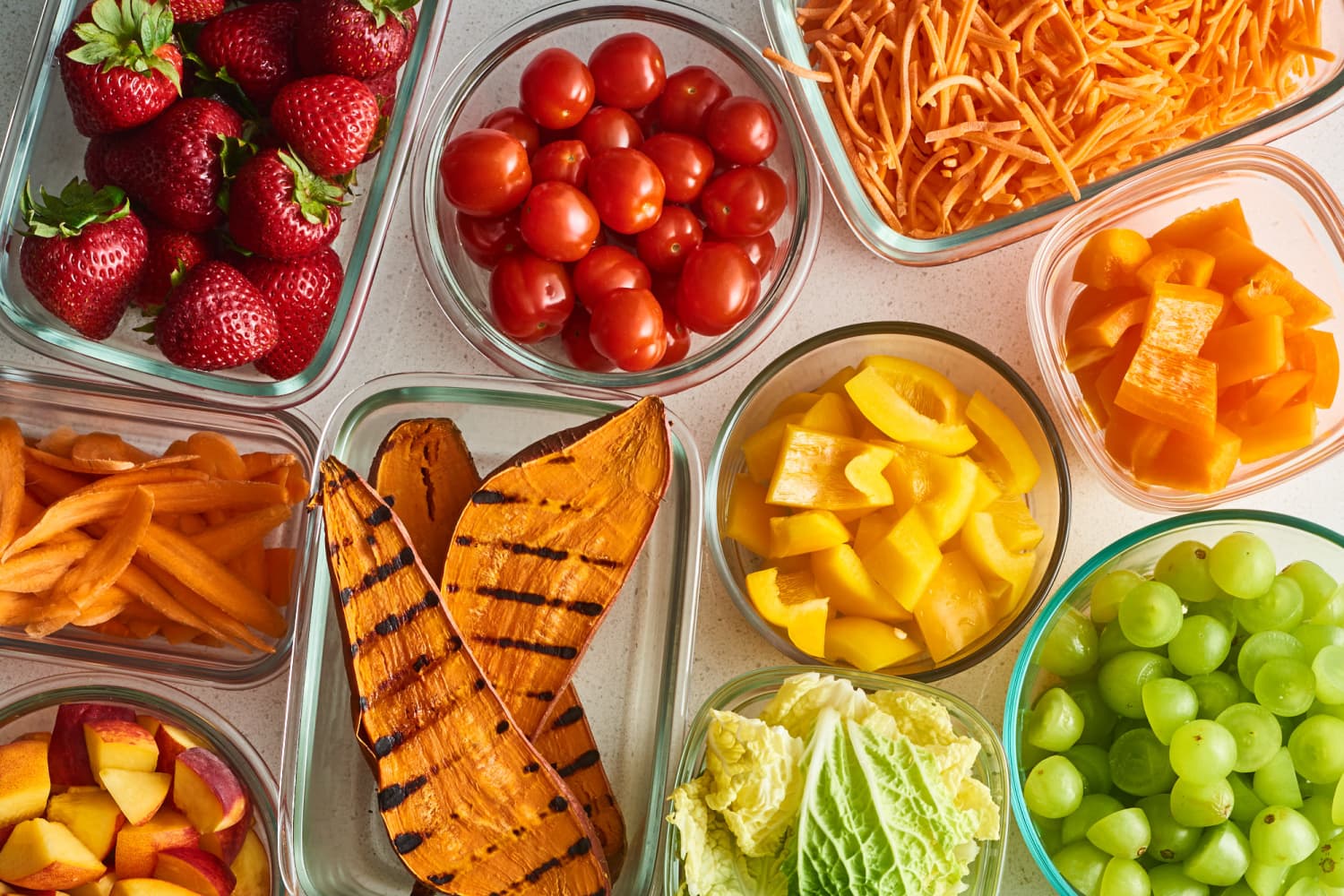
What "Better-for-You" Actually Means
The phrase "better-for-you" gets thrown around a lot, but it's not just a marketing buzzword. In the context of meal planning, it generally refers to recipes that:
- Use whole, minimally processed ingredients
- Balance macronutrients (protein, carbs, and healthy fats)
- Include plenty of fiber from vegetables, fruits, and whole grains
- Limit added sugars, excess sodium, and unhealthy fats
- Are realistic to prepare in a home kitchen
These aren't "diet" foods. They're simply meals designed to nourish your body while still tasting genuinely good. The best ones don't require obscure ingredients or hours of prep—they just make smart swaps and thoughtful combinations.
Why These Recipes Dominate Meal Plans
1. They Hit the Nutritional Sweet Spot
The most popular better-for-you recipes share a common DNA: they're built around the plate method. Half the plate is vegetables, a quarter is lean protein, and a quarter is whole grains or starchy veggies. This simple framework ensures you get fiber, vitamins, minerals, and sustained energy without overthinking every meal.
Think about a classic grain bowl: quinoa base, grilled chicken, roasted sweet potatoes, sautéed kale, avocado, and a tahini dressing. Every major nutrient group is represented, and the flavors work together naturally.
2. They're Designed for Batch Cooking
Meal planning is all about efficiency. The recipes that stick around are the ones you can make in bulk on Sunday and enjoy through Thursday without getting bored. Sheet-pan dinners, one-pot soups, and mason jar salads are prime examples. They hold up well in the fridge, reheat beautifully, and often taste even better after a day or two as the flavors meld.
3. They Use Affordable, Accessible Ingredients
Trendy superfoods come and go, but the backbone of sustainable meal planning is affordability. Chickpeas, lentils, eggs, chicken thighs, seasonal vegetables, brown rice, and oats are pantry staples for a reason. They're budget-friendly, widely available, and incredibly versatile. The recipes that keep showing up rely on these workhorses, not $20 bags of imported powders.
4. They Satisfy Real Cravings
Here's the truth: a meal plan only works if you actually want to eat the food. The best better-for-you recipes don't feel like punishment. They include healthy fats (avocado, olive oil, nuts) that make meals satisfying. They use herbs, spices, citrus, and fermented ingredients to build deep flavor. A well-seasoned roasted cauliflower can be just as craveable as a plate of fries—seriously.
5. They Adapt to Almost Any Diet
Whether you're vegetarian, gluten-free, dairy-free, or just trying to eat more plants, these recipes flex with you. A base recipe like a veggie stir-fry can be made with tofu, shrimp, or chicken. A soup can be thickened with potatoes instead of cream. This adaptability is why meal planning services, food bloggers, and nutrition apps keep recycling and reinventing these concepts.
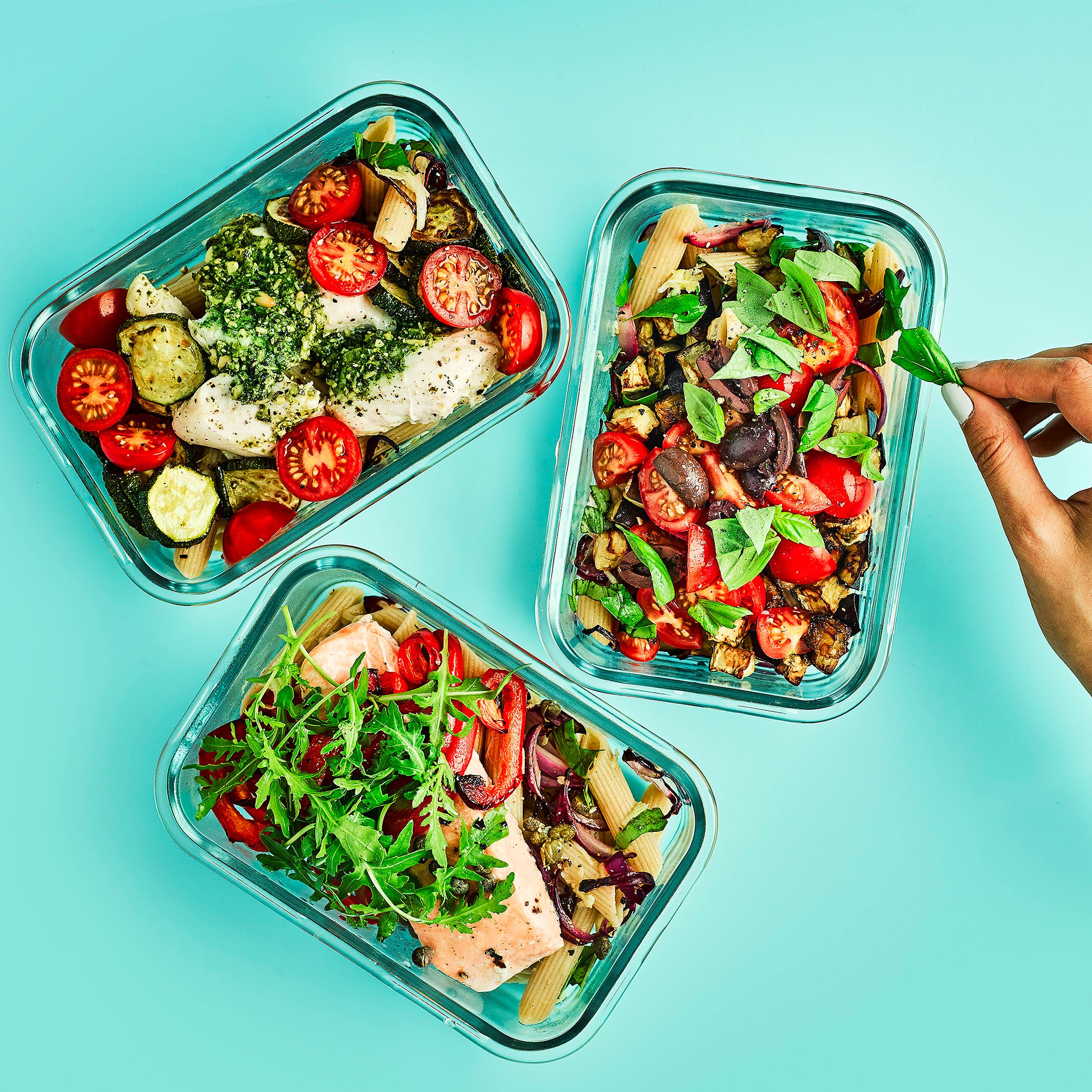
The Most Common Better-for-You Recipe Categories
If you're building a meal plan from scratch, these are the recipe types that show up again and again—for good reason:
| Recipe Type | Why It Works | Best For |
|---|---|---|
| Grain Bowls | Balanced macros, customizable, filling | Lunch prep, post-workout meals |
| Sheet-Pan Dinners | Minimal cleanup, hands-off cooking | Busy weeknights, family meals |
| Overnight Oats / Chia Pudding | No-cook breakfast, high fiber | Morning routines, on-the-go |
| One-Pot Soups & Stews | Nutrient-dense, freezer-friendly | Meal prep, cold weather |
| Stir-Fries | Fast cooking, uses leftover veggies | Quick dinners, reducing food waste |
| Mason Jar Salads | Portable, stays fresh for days | Work lunches, travel |
Benefits of Building Your Meal Plan Around These Recipes
Committing to a better-for-you meal plan isn't about restriction—it's about setting yourself up for success. Here's what you gain:
- Consistent energy: Balanced meals help avoid the blood sugar rollercoaster that leads to afternoon crashes.
- Better digestion: High-fiber recipes support gut health and regularity.
- Money saved: Cooking at home with whole ingredients is almost always cheaper than takeout or pre-packaged "healthy" meals.
- Less decision fatigue: When your meals are planned, you spend less mental energy figuring out what to eat.
- Improved cooking skills: Repeating core recipes builds confidence and speed in the kitchen.
Potential Pitfalls to Watch For
Even the healthiest meal plan can go sideways if you're not careful. Here are a few things to keep in mind:
- Portion sizes still matter: Avocado and olive oil are healthy, but they're also calorie-dense. Be mindful of how much you're using.
- Don't skip variety: Eating the same three meals on repeat can lead to nutrient gaps. Rotate your proteins, grains, and vegetables.
- Watch the "health halo": Just because something is labeled "clean" or "organic" doesn't mean it's automatically the best choice. Read ingredients and nutrition facts.
- Listen to your body: If a meal plan leaves you constantly hungry, tired, or irritable, it might not be the right fit. Adjust portions or food choices accordingly.
Expert Tip: Start With One Recipe, Not Ten
One of the biggest mistakes people make when starting meal planning is trying to overhaul their entire diet overnight. Instead, pick ONE better-for-you recipe you genuinely enjoy, master it, and make it a weekly staple. Once that feels effortless, add a second. Building a sustainable meal plan is a marathon, not a sprint. The recipes that keep showing up in meal plans? They're the ones people actually stick with.
Frequently Asked Questions
Do I need special meal prep containers?
Not at all. Any airtight container works. Glass containers are great for reheating, but BPA-free plastic is perfectly fine too. The key is having enough containers to pack 3–5 meals at once.
How long do better-for-you meal prep recipes last in the fridge?
Most cooked meals stay fresh for 3–4 days when stored properly. Salads with dressing on the side can last 4–5 days. Soups and stews often freeze well for up to 3 months.
Can I meal plan if I'm on a tight budget?
Absolutely. In fact, meal planning is one of the best ways to save money on food. Focus on seasonal produce, dried beans and lentils, eggs, and whole grains. These ingredients are affordable and incredibly versatile.
What if I don't have time to cook on Sundays?
Split your prep into two shorter sessions—maybe Wednesday evening and Sunday afternoon. Or choose no-cook options like overnight oats, pre-washed salad kits with added protein, and rotisserie chicken with steamed veggies.
Are these recipes suitable for weight loss?
Many better-for-you recipes can support weight loss goals because they're naturally high in fiber and protein, which help you feel full. However, weight loss depends on your overall calorie balance, activity level, and individual needs. Focus on nourishment first, and consult a healthcare provider for personalized guidance.
Final Thoughts
The reason these better-for-you recipes keep showing up in meal plans is simple: they work. They're balanced, practical, affordable, and—when done right—genuinely delicious. You don't need to follow every food trend or buy expensive ingredients to eat well. Start with the basics, build a small collection of go-to recipes, and let consistency do the rest.
Your meal plan doesn't have to be perfect. It just has to be yours.
🎥 Recommended Video
https://www.youtube.com/results?search_query=healthy+meal+prep+recipes+for+beginners


0 Comments