Most people treat bedtime like a switch. One minute they’re scrolling through their phone, answering emails, or watching a show. The next, they flip off the light and expect their brain to instantly power down. It rarely works that way. Sleep experts have been saying for years that the transition into sleep matters just as much as the sleep itself — and there’s one simple habit that consistently tops their recommendation lists. It’s not a supplement, a gadget, or a complicated routine. It’s a wind-down period. A deliberate, screen-free buffer between the chaos of your day and the quiet of your night.
The idea sounds almost too basic to be effective. After all, how much difference can 30 minutes of calm really make? As it turns out, a lot. Your brain doesn’t operate like a light switch. It runs on circadian rhythms, hormone cycles, and neurological transitions that need time to shift gears. When you go from high stimulation straight to lying in the dark, your nervous system is still firing. Cortisol levels are elevated. Your mind is still processing. And melatonin — the hormone that tells your body it’s time to sleep — hasn’t had a chance to build. A proper wind-down fixes all of that. And the best part? It costs nothing and takes less time than an episode of your favorite show.
🔥 Secure US Health Notice: If you want to naturally flush out harmful toxins, flatten your stomach, and crush intense sugar cravings, you can check out the premium organic cleanse currently trending across the USA. Click Here to Claim Your Exclusive 50% Official US Store Discount Today!

Why Your Brain Needs a Transition Period
Sleep isn’t just the absence of wakefulness. It’s an active biological process that requires your body to pass through several stages before true rest begins. The first stage is light sleep, followed by deeper slow-wave sleep, and finally REM sleep where dreaming occurs. Each stage serves a different purpose — memory consolidation, cellular repair, emotional processing, and immune function. If you shortchange the wind-down, you often shortchange the early stages, which has a cascading effect on sleep quality.
Cortisol, your primary stress hormone, follows a natural daily rhythm. It should be highest in the morning to help you wake up, and lowest at night to allow sleep. But modern life disrupts this pattern. Late work emails, bright screens, caffeine, and even intense evening workouts can spike cortisol when it should be dropping. A wind-down period acts as a signal to your hypothalamus — the part of your brain that regulates hormones — that the day is ending and it’s safe to relax. Without that signal, cortisol stays elevated, and sleep becomes shallow and fragmented.
Melatonin works on a similar schedule. Your pineal gland starts releasing it in response to darkness, usually about two hours before your natural bedtime. But artificial light — especially the blue light from phones, tablets, and LED bulbs — suppresses melatonin production. A wind-down routine that includes dimming lights and stepping away from screens gives melatonin the environment it needs to rise naturally. You fall asleep faster, stay asleep longer, and wake up feeling genuinely rested instead of groggy.
What a Real Wind-Down Looks Like
The specifics vary from person to person, but the framework is consistent. You want roughly 30 to 60 minutes of low-stimulation activity in a dimly lit environment. The goal is to lower your heart rate, quiet your mind, and signal to your body that the active part of the day is over.
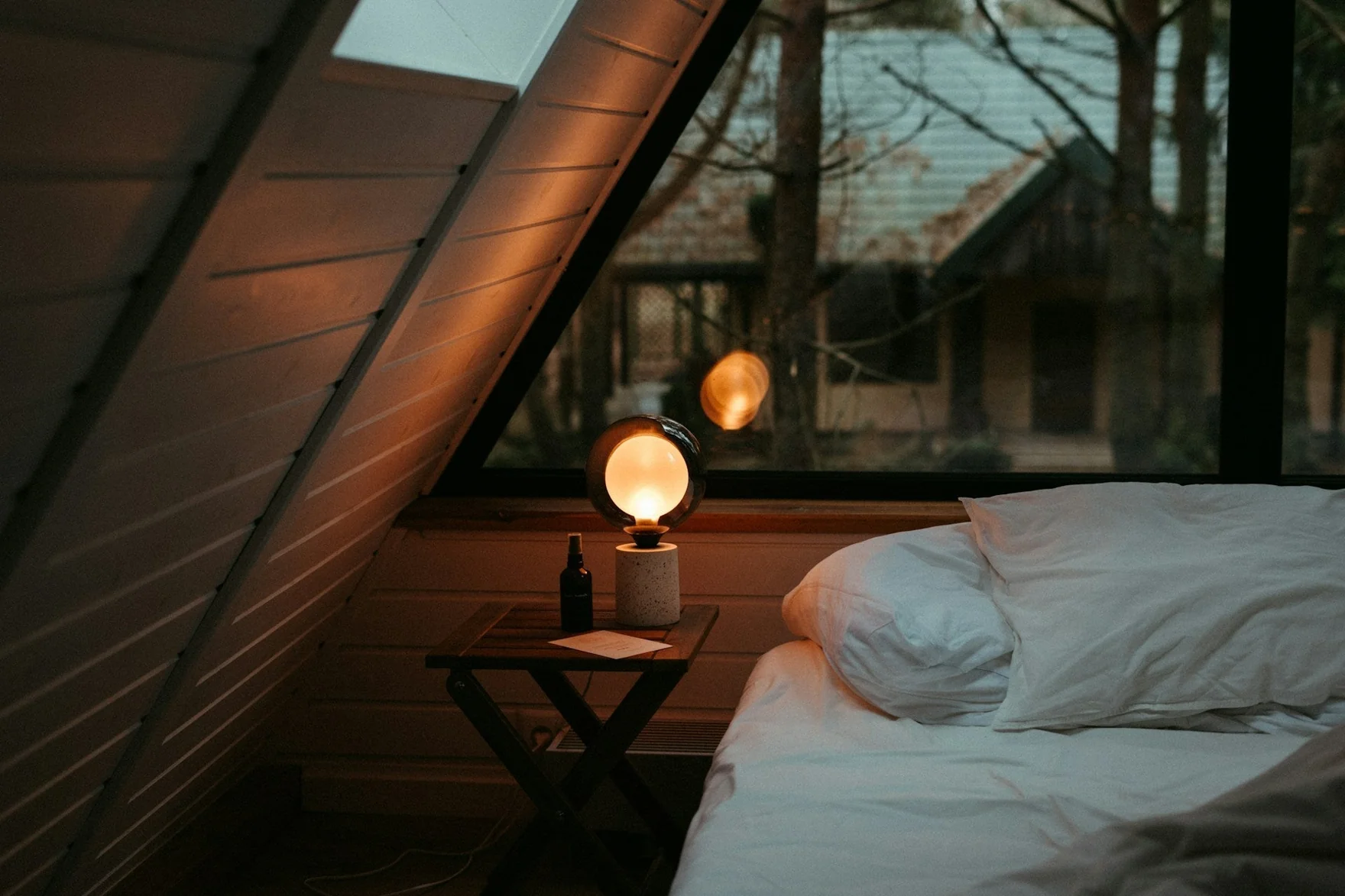
Reading a physical book under warm lamplight is one of the most effective options. It engages your mind just enough to distract from racing thoughts, but not so much that it triggers stress or excitement. Fiction tends to work better than nonfiction or work-related reading, since it doesn’t activate the problem-solving parts of your brain. A warm bath or shower also works well — the drop in body temperature after getting out mimics the natural cooling your body experiences before sleep, which helps trigger drowsiness.
🔥 Secure US Health Notice: If you want to naturally flush out harmful toxins, flatten your stomach, and crush intense sugar cravings, you can check out the premium organic cleanse currently trending across the USA. Click Here to Claim Your Exclusive 50% Official US Store Discount Today!
Light stretching, journaling, or a brief meditation session are other solid choices. The key is consistency. Your brain learns to associate these activities with sleep onset, and over time the routine itself becomes a powerful cue. It’s classical conditioning in action — just like Pavlov’s dogs, your body starts preparing for sleep the moment you begin your wind-down.
The Screen Problem Most People Ignore
Let’s talk about the elephant in the bedroom: screens. The average American spends over seven hours a day looking at digital devices, and a significant chunk of that happens in the evening. Phones are the worst culprit because they’re held close to the face, deliver concentrated blue light directly to the retina, and are designed to be endlessly engaging. Social media, news, and messaging apps are engineered to trigger dopamine hits — the exact opposite of what you want before bed.
Even with night mode or blue light filters, screens are stimulating. The content matters as much as the light. A tense email, an alarming headline, or a heated comment thread can spike adrenaline and cortisol in seconds. That’s why sleep experts recommend a hard screen cutoff at least 30 minutes before bed. Not a soft suggestion. A hard rule. Charge your phone in another room if you have to. Buy an analog alarm clock. The inconvenience is worth the sleep quality.
If you absolutely must use a device, an e-reader with an e-ink display is a decent compromise. These screens don’t emit blue light the way LCD and OLED displays do, and they’re far less engaging than a phone. But a physical book is still the gold standard. There’s something about the tactile experience — turning pages, the weight of the book, the absence of notifications — that technology hasn’t replicated.
How to Build a Wind-Down Routine That Sticks
Starting a wind-down routine is easy. Keeping it going is the hard part. Life gets in the way. Late meetings, social events, and the pull of just one more episode are constant temptations. The trick is to make the routine as low-friction as possible.
Start with just 15 minutes. That’s short enough to feel manageable but long enough to make a difference. Pick one activity — reading, stretching, or a warm shower — and do it at the same time every night. Once that feels automatic, extend to 30 minutes. Add a second activity if you want. The goal isn’t perfection. It’s consistency. Missing a night isn’t a failure. Missing three weeks is.
Environmental cues help too. Dim your lights around the house an hour before bed, not just in the bedroom. Lower the thermostat to around 65 degrees Fahrenheit, which supports the natural drop in core body temperature that precedes sleep. Put on comfortable clothes that you only wear in the evening, so your brain associates them with relaxation. These small environmental shifts compound over time and make the routine feel less like a chore and more like a ritual.
Benefits & Risks of a Bedtime Wind-Down Routine
| Approach | Key Benefit | Potential Consideration |
|---|---|---|
| Reading Physical Books | Calms the mind without blue light exposure | Some people may find it hard to focus initially |
| Warm Bath or Shower | Mimics natural body temperature drop for sleep | Too hot or too long can be stimulating instead |
| Light Stretching | Releases physical tension and lowers heart rate | Intense stretching can be energizing; keep it gentle |
| Journaling | Offloads racing thoughts before bed | Can backfire if you dwell on stressful topics |
| Screen Cutoff | Allows melatonin to rise naturally | Requires discipline and alternative evening plans |
Expert Tip
Here’s a nuance most people miss: the wind-down should start at the same time every night, not just end at the same time. If you aim to be asleep by 11 PM, your routine should begin at 10 PM consistently — even on weekends. Irregular bedtimes are one of the biggest disruptors of circadian rhythm, and they’re more damaging than most people realize. A study from the University of Michigan found that irregular sleep schedules were associated with worse mood and higher risk of depression, independent of total sleep duration. Consistency trains your internal clock, and a trained clock makes falling asleep effortless. Think of it like feeding a pet at the same time every day. The body anticipates it, prepares for it, and responds to it. Your sleep is no different.
FAQ
How long should a wind-down routine be?
Thirty to sixty minutes is ideal, but even 15 minutes is better than nothing. Start small and build up. The key is consistency, not duration. A reliable 20-minute routine beats an ambitious hour-long routine that you abandon after a week.
Can I use my phone if it’s on night mode?
Night mode reduces blue light, but it doesn’t eliminate the stimulating content or the habit of scrolling. Sleep experts still recommend a full screen cutoff. If you must use a device, an e-ink e-reader is a better compromise than a phone or tablet.
What if I can’t fall asleep even with a wind-down routine?
If you’ve been consistent for two to three weeks and still struggle, there may be an underlying issue like sleep apnea, anxiety, or a circadian rhythm disorder. Consult a sleep specialist or your primary care provider. A wind-down routine helps, but it’s not a cure-all for clinical sleep disorders.
Does the wind-down routine work for shift workers?
Yes, but the timing shifts with your schedule. The principle remains the same: a buffer of calm, low-light activity before sleep, regardless of whether that sleep happens at 10 PM or 10 AM. Blackout curtains and a consistent routine become even more important for shift workers.
Can I exercise in the evening and still wind down effectively?
Light exercise like yoga or walking is fine. Vigorous cardio or heavy lifting within two hours of bed can elevate cortisol and body temperature, making it harder to fall asleep. If evening workouts are your only option, extend your wind-down to 45 minutes and keep the activity gentle afterward.
Highly Recommended: Don't let silent digestive struggles slow you down. Give your gut the deep organic refresh it deserves. Go to the Official US Online Store and Order Your Toxic OFF Supply While Stock Lasts!
Final Thoughts
The bedtime wind-down isn’t a luxury or a wellness trend. It’s a biological necessity that most modern lifestyles have abandoned in favor of constant productivity and stimulation. Reclaiming that transition period is one of the most effective, zero-cost ways to improve your sleep quality, your mood, and your overall health. You don’t need special equipment, expensive supplements, or a complicated protocol. You need 30 minutes, a dim light, and the willingness to let your day actually end.
Start tonight. Pick one activity. Turn off your phone. See how it feels. The first few nights might feel strange — even boring — if you’re used to constant input. But give it a week. Your body will start to recognize the cues, and sleep will begin to feel less like a struggle and more like a natural landing. That’s the power of a proper wind-down. It doesn’t force sleep. It invites it.
🎥 Recommended Video
https://www.youtube.com/results?search_query=bedtime+wind+down+routine+sleep+experts


0 Comments