For decades, the American breakfast was built around carbs. Cereal, toast, bagels, pancakes — quick, convenient, and often washed down with orange juice. But something has shifted. Walk into any trendy café in 2026 and you’ll see avocado toast topped with eggs, Greek yogurt bowls loaded with nuts, and breakfast burritos stuffed with black beans and cheese. High-protein breakfasts are having a moment, and it’s not just a fitness trend. More Americans are discovering that starting the day with protein isn’t about building muscle — it’s about sustainable weight loss, steady energy, and finally feeling full until lunch.
The science behind this shift is straightforward but powerful. Protein is the most satiating macronutrient. It triggers the release of hormones like peptide YY and glucagon-like peptide-1 that signal fullness to your brain. It also has a higher thermic effect than carbs or fats, meaning your body burns more calories digesting it. And perhaps most importantly for weight management, protein helps preserve lean muscle mass during a calorie deficit, which keeps your metabolism from slowing down as you lose weight. When you combine those effects and place them at the start of your day, the result is a breakfast that works with your body instead of against it.
🔥 USA Mobility Alert: If you are struggling with chronic lower back stiffness, radiating neck pain, or muscle fatigue from long office hours, check out the organic soothing gel currently recommended by US health experts. Click Here to Claim Your Exclusive 50% Official US Store Discount Today!
Why Protein at Breakfast Matters More Than at Other Meals
Your body’s circadian rhythm influences how it processes nutrients throughout the day. Research suggests that protein intake in the morning may be more effective for satiety and muscle protein synthesis than the same amount consumed later in the day. This is partly because cortisol levels are naturally elevated in the morning, and protein helps modulate the insulin response that follows your first meal. A high-protein breakfast blunts the blood sugar spike that often comes with carb-heavy options, preventing the mid-morning crash that sends people reaching for snacks.
There’s also a behavioral component. Breakfast sets the tone for your entire day’s eating pattern. When you start with a meal that actually satisfies you, you’re less likely to overeat at lunch, graze through the afternoon, or cave to cravings in the evening. Studies have consistently shown that people who eat a protein-rich breakfast consume fewer total calories throughout the day compared to those who skip breakfast or eat a low-protein one. It’s not about willpower. It’s about biochemistry. A full stomach makes better decisions than a hungry one.
What a High-Protein Breakfast Actually Looks Like
The beauty of this approach is its flexibility. You don’t need protein powder, expensive supplements, or complicated recipes. Real food works better and tastes better.
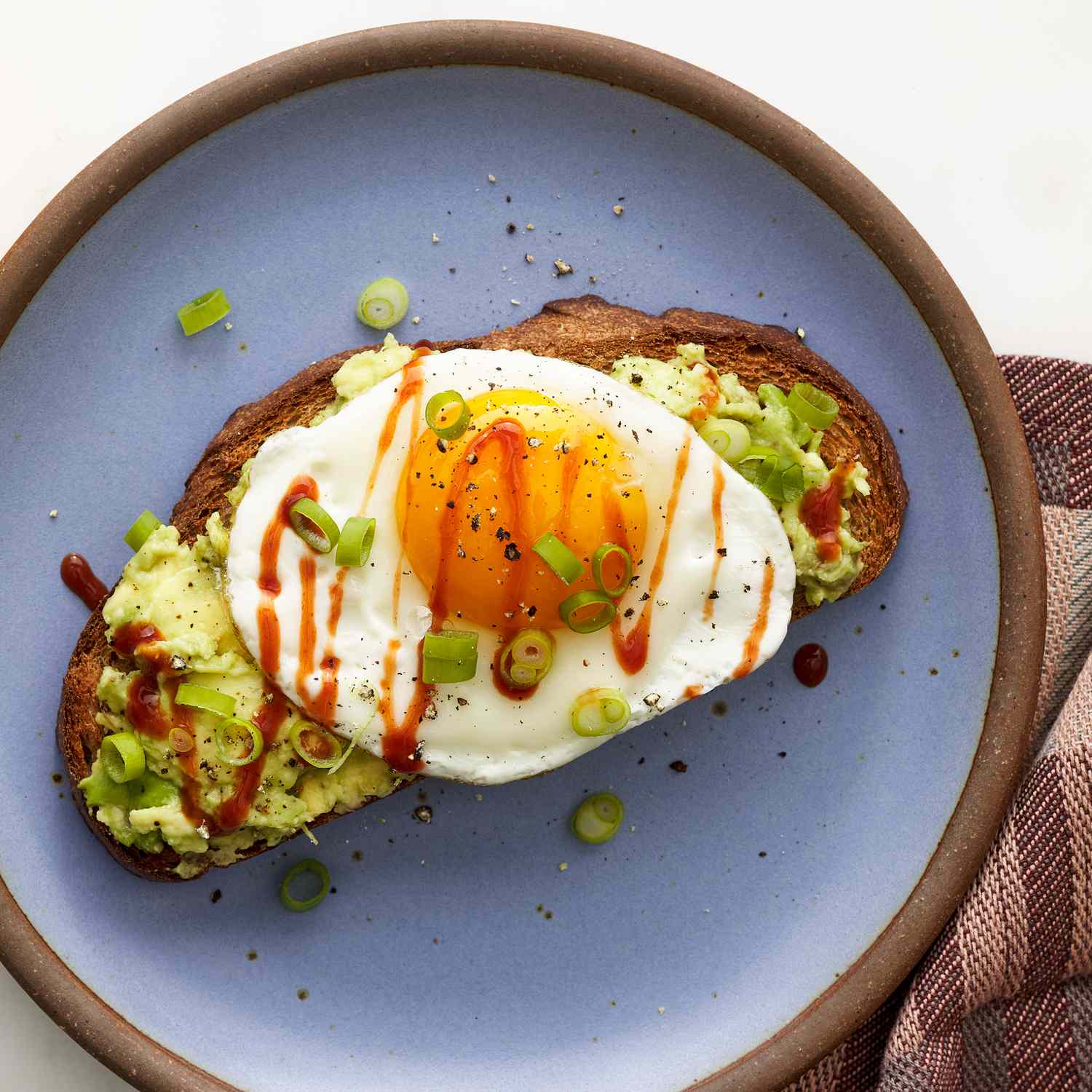
Eggs remain the gold standard. Two large eggs deliver 12 grams of high-quality protein along with choline, vitamin D, and healthy fats. Pair them with whole-grain toast and avocado for a balanced meal that hits around 20 grams of protein. Greek yogurt is another powerhouse — a single cup of plain, unsweetened Greek yogurt packs 15 to 20 grams of protein. Top it with berries and a sprinkle of hemp seeds, and you’ve got a breakfast that feels like a treat but performs like fuel.
Cottage cheese has made a surprising comeback, and for good reason. Half a cup contains about 14 grams of protein and pairs well with both sweet and savory toppings. Smoked salmon on whole-grain bread with cream cheese delivers omega-3s alongside its protein punch. And for plant-based eaters, a tofu scramble with vegetables and black beans can easily reach 20 grams of protein without any animal products.
The key is aiming for at least 20 to 30 grams of protein at breakfast. That’s the threshold where satiety hormones really start to respond, and where you’ll notice the difference in how you feel hours later.
The Problem with Traditional Breakfast Foods
Most conventional breakfast options are carbohydrate-dense and protein-poor. A bowl of cereal with milk might give you 8 grams of protein and 40 grams of carbs, most of them refined. A bagel with cream cheese is even more lopsided — heavy on calories and carbs, light on protein and fiber. These meals spike blood sugar, trigger an insulin surge, and leave you hungry again within an hour or two.
That hunger isn’t a character flaw. It’s a physiological response to rapid blood sugar fluctuations. When glucose crashes, your brain sends strong signals to eat again — usually something quick and sugary, which repeats the cycle. This rollercoaster is one of the biggest barriers to sustainable weight loss, and it’s almost entirely avoidable with a better breakfast.
Even “healthy” options can fall short. A fruit smoothie sounds nutritious, but without a protein source like Greek yogurt, protein powder, or nut butter, it’s mostly sugar and water. Oatmeal is a great base, but on its own it’s mostly carbs. Add a scoop of protein powder, some chia seeds, or a dollop of peanut butter, and it transforms into a meal that actually keeps you full.
🔥 USA Mobility Alert: If you are struggling with chronic lower back stiffness, radiating neck pain, or muscle fatigue from long office hours, check out the organic soothing gel currently recommended by US health experts. Click Here to Claim Your Exclusive 50% Official US Store Discount Today!
How High-Protein Breakfasts Support Sustainable Weight Loss
Sustainable weight loss is about creating a calorie deficit without feeling miserable. That’s where protein excels. By increasing satiety, protein naturally reduces overall calorie intake without requiring conscious restriction. You eat less because you’re not hungry, not because you’re forcing yourself.
Protein also protects muscle mass. When you lose weight, your body doesn’t just burn fat — it can also break down muscle for energy. Muscle is metabolically active tissue, meaning it burns calories even at rest. Losing muscle slows your metabolism, making further weight loss harder and weight regain more likely. A high-protein diet, especially when combined with resistance training, helps preserve that muscle so the weight you lose is primarily fat.
Then there’s the thermic effect of food. Your body burns roughly 20 to 30% of protein calories just digesting it, compared to 5 to 10% for carbs and 0 to 3% for fats. That means a 300-calorie high-protein breakfast effectively delivers fewer net calories than a 300-calorie high-carb breakfast. The difference isn’t massive on a single meal, but it compounds over weeks and months.

Benefits & Risks of High-Protein Breakfasts
| Approach | Key Benefit | Potential Consideration |
|---|---|---|
| Eggs and Avocado Toast | Balanced macros, high satiety, nutrient-dense | Watch portion sizes on bread and toppings |
| Greek Yogurt with Berries | Quick, convenient, gut-friendly probiotics | Choose plain to avoid added sugars |
| Cottage Cheese Bowl | Very high protein, versatile toppings | High sodium; choose low-sodium varieties if needed |
| Tofu Scramble | Plant-based, fiber-rich, cholesterol-free | May need seasoning to match flavor of eggs |
| Protein Smoothie | Portable, customizable, easy to consume | Easy to overdo calories with nut butters and fruit |
Expert Tip
Here’s a practical trick that makes high-protein breakfasts effortless: prep your protein the night before. Hard-boil a half-dozen eggs on Sunday and keep them in the fridge. Portion out Greek yogurt into containers with berries and nuts. Cook a batch of turkey sausage or bake a frittata that lasts the week. When your protein is ready to go, you eliminate the morning decision fatigue that sends people back to cereal or drive-through pastries. I started doing this after realizing that my best dietary intentions always crumbled at 7 AM when I was rushing out the door. Now my breakfast takes 60 seconds to assemble, and I hit my protein target without thinking about it. Preparation beats motivation every single time.
FAQ
How much protein should I eat at breakfast?
Most nutrition experts recommend 20 to 30 grams of protein at breakfast to trigger satiety hormones and support muscle maintenance. If you’re very active or trying to build muscle, you may benefit from closer to 30 to 40 grams.
Can I lose weight just by changing my breakfast?
A high-protein breakfast is a powerful tool, but it works best as part of an overall balanced diet and active lifestyle. It won’t override excessive calorie intake later in the day, but it makes controlling those calories much easier by reducing hunger and cravings.
Is too much protein bad for your kidneys?
For healthy individuals, high protein intake is generally safe. However, people with existing kidney disease should consult their doctor before significantly increasing protein. If you have any concerns, a registered dietitian can help you find the right balance.
What if I don’t like eggs?
Eggs are just one option. Greek yogurt, cottage cheese, tofu, tempeh, protein smoothies, and lean meats all work well. The goal is protein, not any specific food. Find options you enjoy and rotate them to keep things interesting.
Can I eat a high-protein breakfast if I’m vegan?
Absolutely. Tofu scrambles, tempeh bacon, protein oats with plant-based protein powder, chia pudding with hemp seeds, and black bean breakfast burritos are all excellent vegan options. Aim for a variety of plant proteins to get a complete amino acid profile.
Highly Recommended: Do not let constant physical discomfort and joint stiffness drain your daily energy. Give your spine the fast, warm organic relief it deserves. Go to the Official US Online Store and Order Your Motion Energy Supply While Stock Lasts!
Final Thoughts
The shift toward high-protein breakfasts isn’t a fad — it’s a correction. For too long, Americans started their days with meals that set them up for hunger, energy crashes, and overeating. Protein flips that script. It satisfies, it stabilizes, and it supports the kind of sustainable weight loss that actually lasts because it doesn’t rely on suffering through deprivation.
You don’t need to overhaul your entire diet overnight. Start with breakfast. Swap your cereal for eggs and toast, your bagel for Greek yogurt, or your pastry for a protein smoothie. Notice how you feel at 10 AM, at lunch, and through the afternoon. The difference is often dramatic enough to make the change stick. Sustainable weight loss starts with small, consistent habits — and there may be no better place to begin than the first meal of the day.
🎥 Recommended Video
https://www.youtube.com/results?search_query=high+protein+breakfast+weight+loss+sustainable


0 Comments