If you've ever stood up from your desk and felt like your hips had rusted shut, you're not alone. Stiffness creeps up on all of us—after long hours of sitting, restless nights, or simply aging. It doesn't discriminate between gym enthusiasts and couch potatoes. The good news? A few simple flexibility habits, practiced consistently, can make a dramatic difference in how your body feels day to day.
You don't need to become a yogi or touch your toes on day one. You just need small, intentional movements woven into your routine. Let's explore the habits that actually help loosen up a stiff body and keep you moving comfortably.
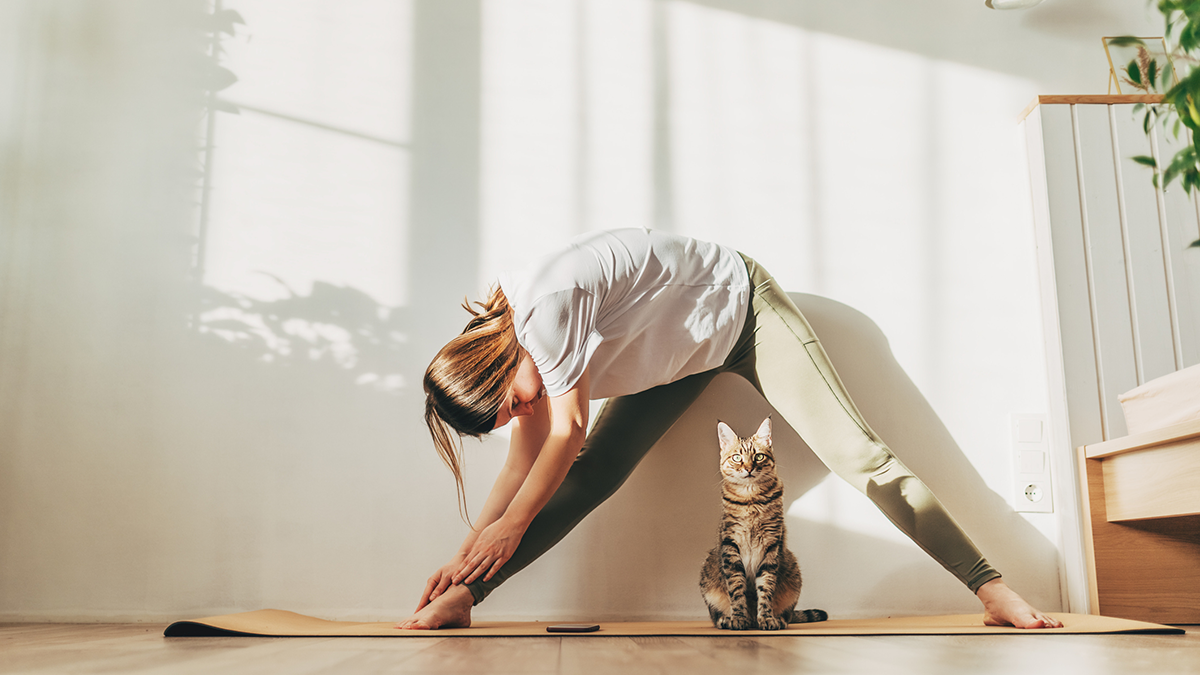
Why Your Body Gets Stiff in the First Place
Stiffness isn't just about tight muscles. It's often a combination of shortened connective tissue, reduced synovial fluid in your joints, and muscles that have adapted to limited ranges of motion. When you sit for hours, your hip flexors shorten. When you hunch over a phone, your chest tightens and your upper back rounds. Over time, your body forgets how to move through its full range.
The fix isn't dramatic. It's not about forcing yourself into deep stretches or enduring pain. It's about gently reminding your body, repeatedly, that movement is safe and available.
Flexibility Habits That Actually Work
1. Morning Movement Before Coffee
Your body is naturally stiffest in the morning after lying still all night. Instead of shuffling straight to the kitchen, spend three to five minutes doing gentle movement in bed or on the floor. Cat-cow stretches, gentle spinal twists, and slow neck rolls wake up your spine and signal to your nervous system that it's time to move.
This doesn't need to be a full yoga session. Even two minutes of intentional stretching before your feet hit the floor sets a different tone for your entire day.
2. Hip Flexor Releases Throughout the Day
Tight hip flexors are the silent culprit behind lower back pain, poor posture, and that heavy-legged feeling. The problem is, most of us spend eight-plus hours sitting, which keeps these muscles in a shortened position.
Every hour or two, stand up and do a simple hip flexor stretch. Step one foot back, drop your back knee slightly, and gently press your hips forward. Hold for 20 to 30 seconds on each side. It takes less than a minute and can prevent hours of accumulated tension.
3. Spinal Twists Before Bed
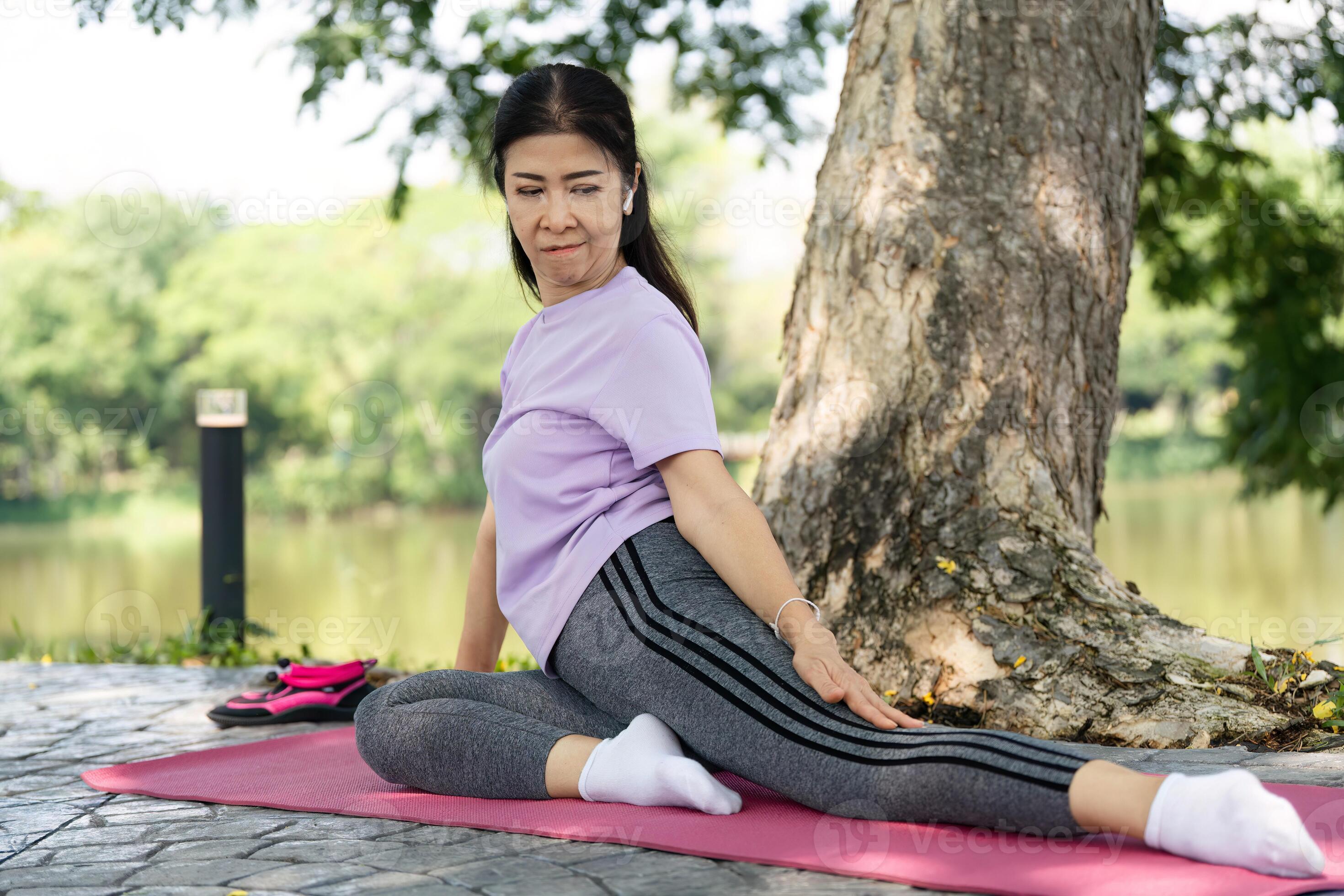
Your spine craves rotation, but daily life rarely provides it. Gentle spinal twists—lying on your back with knees dropped to one side, or seated twists—help release tension in your lower back, shoulders, and hips. Doing this before bed also signals to your body that it's time to relax, which can improve sleep quality.
Hold each twist for 30 seconds to a minute, breathing deeply. Let gravity do the work. There's no need to force anything.
4. Ankle and Wrist Mobility Drills
We obsess over hips and hamstrings but often forget about ankles and wrists—until they ache. These smaller joints take a beating from walking, typing, and phone scrolling. Simple circles, flexes, and gentle figure-eights keep synovial fluid moving and maintain the range of motion you need for everyday tasks.
Do ankle circles while brushing your teeth. Roll your wrists during a conference call. These micro-habits add up.
5. Hamstring Hangs
Tight hamstrings pull on your lower back and limit your ability to bend comfortably. Instead of aggressive stretching, try "hamstring hangs." Stand with feet hip-width apart, bend your knees slightly, and fold forward from the hips. Let your arms dangle. Don't reach for your toes—just hang and breathe.
After 30 to 60 seconds, you'll feel your hamstrings gradually release. This is called passive stretching, and it's far more effective for stiffness than forcing a deep stretch.
6. Shoulder Openers Against a Doorway
Rounded shoulders are the hallmark of modern life. To counteract this, place your forearms on either side of a doorway at shoulder height, then gently step forward until you feel a stretch across your chest and front shoulders. Hold for 30 seconds.
This simple doorway stretch undoes some of the damage from hours of typing and scrolling. Do it a few times a day, especially after long work sessions.
7. Foam Rolling or Self-Massage
Sometimes muscles are stiff because they're holding tension, not because they're inherently tight. Foam rolling—or even using a tennis ball against a wall—helps release trigger points and improve blood flow to tight areas. Focus on your upper back, calves, and the sides of your thighs.
Two to three minutes of rolling after a workout or before bed can make your muscles feel noticeably softer and more pliable.
How These Habits Compare
| Habit | Target Area | Best Time | Duration | Effort Level |
|---|---|---|---|---|
| Morning Movement | Spine, neck, hips | Upon waking | 2–5 minutes | Very Low |
| Hip Flexor Releases | Hips, lower back | Every 1–2 hours | 1 minute | Low |
| Spinal Twists | Spine, lower back, shoulders | Before bed | 2–3 minutes | Very Low |
| Ankle/Wrist Mobility | Ankles, wrists | Throughout the day | 30 seconds | Very Low |
| Hamstring Hangs | Hamstrings, lower back | Anytime | 1 minute | Low |
| Doorway Shoulder Openers | Chest, front shoulders | After desk work | 1 minute | Low |
| Foam Rolling | Back, calves, thighs | Post-workout or evening | 2–3 minutes | Medium |
Benefits of Building Flexibility Habits
These small habits deliver benefits that go far beyond being able to touch your toes:
- Reduced daily aches: When your muscles and joints move freely, everyday activities—bending, reaching, walking—feel easier and less painful.
- Better posture: Flexible hip flexors and an open chest naturally pull your body into better alignment without conscious effort.
- Improved circulation: Stretching and mobility work increase blood flow, which helps deliver nutrients to tissues and remove waste products.
- Lower injury risk: A body that moves well through its full range is less likely to strain or pull something during unexpected movements.
- Stress relief: Gentle stretching activates the parasympathetic nervous system, helping your body shift out of fight-or-flight mode.
What to Watch Out For
Flexibility work is generally safe, but there are a few things to keep in mind:
- Pain is not the goal: A gentle stretch is fine. Sharp pain is not. If something hurts, back off. Flexibility improves through patience, not force.
- Don't bounce: Bouncing into stretches can trigger your stretch reflex, causing muscles to tighten up instead of release. Move slowly and hold steady.
- Warm muscles stretch better: If you're doing deeper flexibility work, do it after a warm shower or light movement. Cold muscles are more prone to injury.
- Consistency beats intensity: Five minutes of daily stretching beats an hour-long session once a month. Small, frequent doses win.
Expert Tip: Pair Stretching with Something You Already Do
The easiest way to build a flexibility habit is to attach it to an existing routine. Stretch your hip flexors every time you stand up from your desk. Do ankle circles while waiting for the microwave. Hang in a forward fold while your coffee brews. When flexibility becomes a natural extension of your day rather than a separate task, it stops feeling like a chore—and starts feeling like relief.
Frequently Asked Questions
How long does it take to notice less stiffness?
Many people feel a difference within a week of consistent daily stretching. Deeper flexibility changes—like significantly increased range of motion—typically take four to eight weeks of regular practice. The key is consistency, not intensity.
Can I stretch if I'm not flexible at all?
Absolutely. Everyone starts somewhere. Use props like pillows, blocks, or chairs to support your body. Bend your knees in forward folds. Modify every stretch to meet your body where it is today. Flexibility is a journey, not a destination.
Is stretching better in the morning or evening?
Both have benefits. Morning stretching wakes up your body and sets the tone for the day. Evening stretching helps release accumulated tension and prepares you for sleep. Do what fits your schedule, or split your routine between both times.
Should I stretch before or after exercise?
Before exercise, focus on dynamic movement—gentle leg swings, arm circles, and light mobility drills. Save deeper static stretches for after your workout when your muscles are warm and more receptive.
Can stretching help with chronic back pain?
Gentle stretching and mobility work can often reduce chronic back pain by addressing tight hip flexors, hamstrings, and spinal muscles. However, if you have persistent or severe pain, consult a healthcare provider or physical therapist before starting a new routine.
Final Thoughts
Stiffness isn't a life sentence. It's a signal—a gentle nudge from your body asking for more movement, more variety, more care. The habits in this article aren't complicated. They don't require special equipment or hours of your time. They just require you to pause, breathe, and move with intention.
Start with one habit. Maybe it's a hip flexor stretch every time you stand up. Maybe it's a spinal twist before bed. Build from there. Your body will respond, slowly but surely, and one day you'll realize that standing up from your desk feels... easy. That's the magic of consistency.
🎥 Recommended Video
https://www.youtube.com/results?search_query=daily+flexibility+routine+for+stiff+body


0 Comments