Let's be honest. Most of us don't have an hour to drive to the gym, work out, shower, and drive back. Between work, family, errands, and the general chaos of daily life, fitness often gets pushed to the bottom of the to-do list. But here's the thing: you don't need a gym membership, fancy equipment, or a huge time block to get moving.
A 15-minute home workout can be surprisingly effective. It can boost your energy, improve your mood, build strength, and keep you consistent in ways that elaborate fitness routines never could. The secret isn't the duration—it's the consistency and the quality of what you do with those fifteen minutes.
Let's explore realistic, no-equipment workout ideas that fit into actual life, not some fantasy schedule.
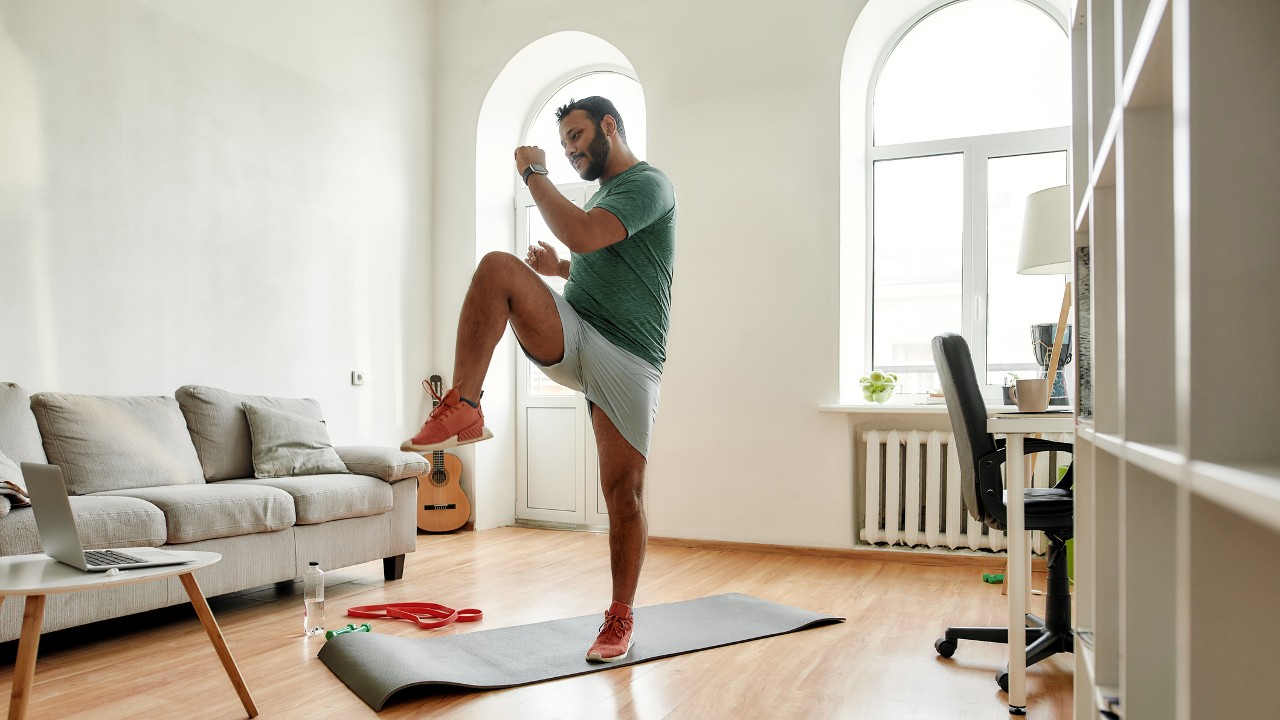
Why 15 Minutes Actually Works
Before diving into the workouts, let's address the skepticism. Can fifteen minutes really do anything?
Research consistently shows that short bursts of exercise add up. A 15-minute high-intensity session can elevate your heart rate, challenge your muscles, and trigger the same post-workout calorie burn as a longer moderate workout. More importantly, a short workout you actually do beats the perfect hour-long routine you keep skipping.
The real advantage is psychological. Fifteen minutes feels doable. It removes the mental barrier of "I don't have time" and replaces it with "I can squeeze this in." That mindset shift is everything.
Workout Ideas for Every Fitness Level
1. The Morning Wake-Up Flow
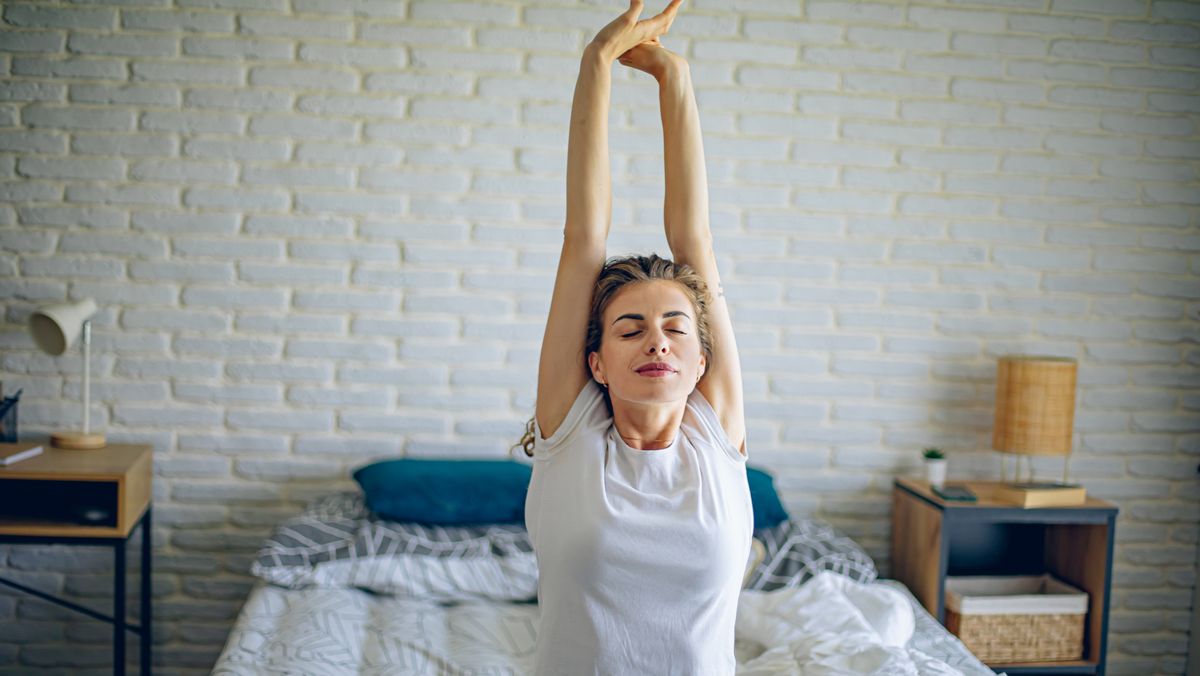
Perfect for rolling out of bed and getting your blood moving. No jumping, no intensity—just gentle activation.
- 30 seconds of neck rolls and shoulder shrugs
- 30 seconds of arm circles
- 1 minute of cat-cow stretches on hands and knees
- 1 minute of bodyweight squats
- 1 minute of standing forward fold, then slow roll up
- 1 minute of gentle marching in place
- Repeat the sequence once more
This isn't about burning calories. It's about signaling to your body that the day has started and your muscles are awake.
2. The Quick Cardio Blast
When you need to shake off stress and get your heart pumping, this circuit delivers.
- 30 seconds of jumping jacks
- 30 seconds of high knees
- 30 seconds of butt kicks
- 30 seconds of mountain climbers
- 30 seconds of squat jumps (or regular squats if jumping isn't comfortable)
- 30 seconds of rest
- Repeat for 3 rounds
Modify as needed. Marching in place works just as well as jumping jacks if you have downstairs neighbors or joint concerns.
3. The Bodyweight Strength Circuit
No weights? No problem. Your body is the equipment. This circuit hits every major muscle group.
- 45 seconds of push-ups (on knees or toes)
- 15 seconds rest
- 45 seconds of bodyweight squats
- 15 seconds rest
- 45 seconds of plank hold
- 15 seconds rest
- 45 seconds of reverse lunges (alternating legs)
- 15 seconds rest
- 45 seconds of glute bridges
- 15 seconds rest
- Repeat once
Focus on form over speed. A slow, controlled push-up does more for your body than ten rushed ones.
4. The Desk Break Reset
Designed for remote workers or anyone who's been sitting too long. You can do this in work clothes.
- 1 minute of seated spinal twists
- 1 minute of standing calf raises
- 1 minute of wall sits
- 1 minute of desk push-ups
- 1 minute of seated leg extensions
- Repeat the sequence twice
It's not a full workout, but it breaks up sedentary time, wakes up tight muscles, and refreshes your focus.
5. The Core Quickie
Your core supports everything you do. This targeted routine strengthens it without a single crunch.
- 30 seconds of forearm plank
- 30 seconds of side plank (left)
- 30 seconds of side plank (right)
- 30 seconds of dead bug
- 30 seconds of bird dog
- 30 seconds of hollow body hold
- 30 seconds rest
- Repeat for 2 rounds
These moves build functional core strength that actually supports your back and posture, not just aesthetic abs.
6. The Evening Wind-Down
After a long day, intense exercise can rev you up when you want to calm down. This gentle flow helps you transition into relaxation mode.
- 1 minute of deep breathing in child's pose
- 1 minute of gentle hip flexor stretches
- 1 minute of lying spinal twist (each side)
- 1 minute of legs-up-the-wall pose
- 1 minute of progressive muscle relaxation (tense and release each muscle group)
- Repeat once
This isn't about fitness metrics. It's about releasing tension and preparing your body for restful sleep.
How These Workouts Compare
| Workout | Best Time | Main Focus | Intensity | Equipment Needed |
|---|---|---|---|---|
| Morning Wake-Up Flow | Upon waking | Mobility, activation | Low | None |
| Quick Cardio Blast | Midday energy dip | Heart health, calorie burn | High | None |
| Bodyweight Strength | Anytime | Muscle building | Medium-High | None |
| Desk Break Reset | During work hours | Posture, circulation | Low | Desk/wall |
| Core Quickie | Anytime | Core stability | Medium | None |
| Evening Wind-Down | Before bed | Relaxation, flexibility | Very Low | None |
Benefits of Short Home Workouts
Fifteen minutes might not sound like much, but the benefits stack up quickly:
- Consistency becomes possible: When workouts are short, you're far more likely to do them regularly. And consistency is where real results live.
- No commute or gym fees: Your living room is always open, and it doesn't charge a monthly membership.
- Flexible scheduling: Squeeze a workout in before breakfast, during lunch, or while dinner simmers. The barrier to entry is almost zero.
- Stress relief on demand: Had a rough meeting? Ten minutes of movement can shift your entire mental state.
- Builds the exercise habit: For beginners, short workouts build confidence and familiarity with movement before committing to longer sessions.
Potential Pitfalls to Avoid
Short workouts are great, but they're not without traps:
- Skipping warm-up: Even five minutes of cold muscles is risky. Do a quick march in place or some arm circles before diving into intensity.
- Pushing too hard too fast: If you're new to exercise, high-intensity circuits can lead to injury. Start with the lower-intensity options and build up.
- Inconsistency: One 15-minute workout a week won't change much. Aim for at least four sessions weekly to see real benefits.
- Neglecting recovery: Your muscles need rest to grow stronger. Don't do high-intensity strength workouts on back-to-back days without recovery time.
Expert Tip: Anchor Your Workout to an Existing Habit
The easiest way to make a 15-minute workout stick is to attach it to something you already do. Do your morning flow right after brushing your teeth. Knock out a cardio blast while your coffee brews. Do the desk reset every time you finish a conference call. When exercise becomes a natural extension of an existing routine, it stops feeling like a separate task you have to remember. It just happens.
Frequently Asked Questions
Can I really get fit with just 15-minute workouts?
Yes, especially if you're consistent. While 15 minutes won't prepare you for a marathon, it's absolutely enough to build strength, improve cardiovascular health, increase flexibility, and boost your mood. Progress comes from regular effort, not marathon sessions.
Do I need any equipment at all?
Not for the workouts outlined here. A yoga mat is helpful for comfort but not essential. As you advance, you might add resistance bands or light dumbbells, but bodyweight exercises are effective on their own.
How many days a week should I do these?
Aim for at least four days a week to see noticeable benefits. Mix and match the workouts—strength one day, cardio the next, mobility on the third. Listen to your body and take rest days when you need them.
What if I have joint pain or past injuries?
Stick to the lower-intensity options like the morning flow and desk break reset. Avoid jumping movements and high-impact exercises. If pain persists, consult a physical therapist or healthcare provider before continuing.
Can I combine multiple 15-minute workouts for a longer session?
Absolutely. If you have 30 minutes, string together the strength circuit and the core quickie. The beauty of this approach is its flexibility—scale up or down based on your available time and energy.
Final Thoughts
The best workout isn't the longest one or the most intense one. It's the one you'll actually do. A 15-minute home workout removes every excuse: no gym, no commute, no equipment, no huge time commitment. Just you, your living room, and a quarter of an hour.
Pick one workout from this list. Try it tomorrow. Then try it again the next day. Before you know it, those fifteen minutes will become a non-negotiable part of your routine—and your body and mind will be better for it.
🎥 Recommended Video
https://www.youtube.com/results?search_query=15+minute+home+workout+no+equipment


0 Comments