Open any modern meal plan, browse a wellness blog, or scroll through a nutritionist's Instagram feed, and you'll notice the same foods appearing again and again. Blueberries. Salmon. Spinach. Avocado. Quinoa. These aren't random choices—they're the superfoods that meal planners, dietitians, and health-conscious cooks keep coming back to.
But what exactly makes a food a "superfood"? And why do these specific ones dominate healthy eating plans while others fade into the background?
Let's explore the real reasons these nutrient-dense foods are meal plan staples, what they actually offer your body, and how to build them into your own routine without overcomplicating your kitchen.
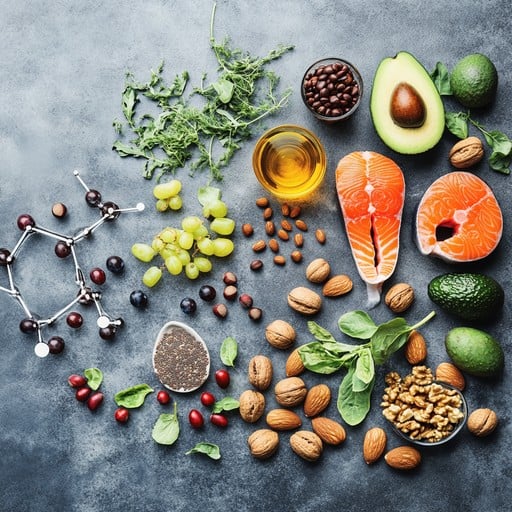
What Makes a Food a "Superfood"?
The term "superfood" isn't a scientific classification. It's more of a marketing label that caught on because it resonates. In practice, superfoods are whole foods that pack an unusually high concentration of vitamins, minerals, antioxidants, fiber, or healthy fats into a relatively small serving.
They're not magic bullets. Eating blueberries won't cure disease, and a bowl of quinoa won't undo a week of poor eating. But consistently including these nutrient-dense foods in your diet supports overall health, energy, and resilience in ways that processed foods simply can't match.
The superfoods that stick around in meal plans share a few traits: they're accessible, versatile, backed by real nutrition science, and they taste good enough that people actually want to eat them.
The Superfoods That Dominate Meal Plans
1. Blueberries
These little berries are antioxidant powerhouses. They're loaded with anthocyanins, the compounds that give them their deep blue color and help combat oxidative stress in the body. Blueberries are also relatively low in sugar compared to other fruits, high in fiber, and incredibly easy to add to smoothies, oatmeal, or yogurt.
Meal planners love them because they're convenient. Fresh or frozen, they last well and require zero prep.
2. Salmon
Fatty fish like salmon is one of the best natural sources of omega-3 fatty acids, which support heart health, brain function, and reduced inflammation. Salmon is also rich in high-quality protein, B vitamins, and selenium. It cooks quickly, pairs with almost any seasoning, and feels satisfying in a way that leaner proteins sometimes don't.
Fresh salmon is ideal, but canned salmon is a budget-friendly pantry staple that works great in salads and patties.
3. Spinach
This leafy green is the definition of nutrient density. Spinach delivers iron, calcium, magnesium, potassium, and vitamins A, C, and K—all for very few calories. It wilts down in seconds, blends seamlessly into smoothies, and works raw in salads or cooked into soups and stir-fries.
Unlike some greens that can taste bitter, mild spinach is beginner-friendly and family-approved.
4. Avocado
Avocados are unique among fruits because they're packed with heart-healthy monounsaturated fats. They're also a surprising source of fiber—about 10 grams per fruit. That combination of fat and fiber makes avocados incredibly satiating, which is why they show up in everything from breakfast toast to grain bowls to smoothies.
The creamy texture also makes them a natural substitute for less healthy fats in recipes.
5. Quinoa
Quinoa isn't technically a grain—it's a seed—but it cooks and eats like one. What sets it apart is that it's a complete protein, meaning it contains all nine essential amino acids. It's also gluten-free, high in fiber, and rich in magnesium and iron. For vegetarians and anyone looking to diversify their protein sources, quinoa is a meal plan workhorse.
It cooks in about 15 minutes and works as a base for bowls, a side dish, or even a breakfast porridge.
6. Nuts and Seeds
Walnuts, almonds, chia seeds, and flaxseeds are meal plan regulars for good reason. They provide healthy fats, plant-based protein, fiber, and a range of micronutrients. A small handful of walnuts offers a solid dose of omega-3s. Chia seeds absorb liquid and create a pudding-like texture that's perfect for make-ahead breakfasts.
They're calorie-dense, so a little goes a long way. Meal planners typically use them as toppings rather than main ingredients.
7. Sweet Potatoes
Unlike their white potato cousins, sweet potatoes are packed with beta-carotene, which your body converts to vitamin A. They're also high in fiber and have a lower glycemic impact, meaning they don't spike blood sugar as dramatically. Roasted, mashed, or baked into fries, sweet potatoes are a comforting, nutrient-rich carb that fits into almost any meal plan.
8. Greek Yogurt
Plain Greek yogurt is a protein powerhouse, often delivering twice the protein of regular yogurt. It's also a natural source of probiotics, which support gut health. Meal planners use it as a breakfast base, a smoothie thickener, a sour cream substitute, or even a marinade for chicken.
The key is choosing plain, unsweetened varieties. Flavored yogurts can be loaded with added sugars that undo the benefits.
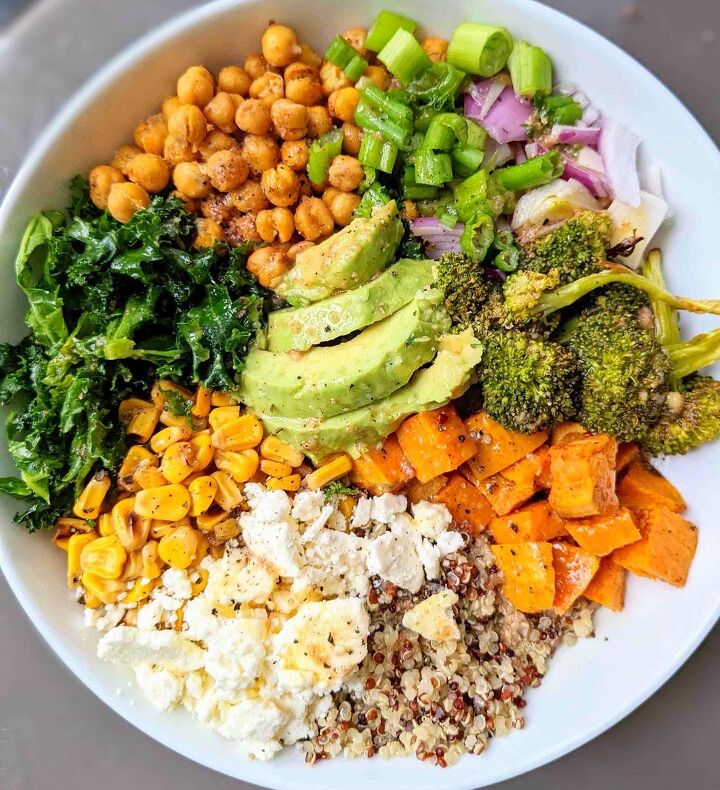
How These Superfoods Stack Up
| Superfood | Top Nutrients | Best For | Easiest Way to Use |
|---|---|---|---|
| Blueberries | Antioxidants, fiber, vitamin C | Brain health, immunity | Smoothies, yogurt topping |
| Salmon | Omega-3s, protein, B vitamins | Heart health, inflammation | Baked, grilled, or canned in salads |
| Spinach | Iron, calcium, vitamins A & K | Energy, bone health | Smoothies, salads, sautés |
| Avocado | Healthy fats, fiber, potassium | Satiety, heart health | Toast, bowls, smoothies |
| Quinoa | Complete protein, fiber, magnesium | Plant-based meals, energy | Grain bowls, side dishes |
| Walnuts | Omega-3s, protein, antioxidants | Brain health, snacking | Toppings, trail mix, baking |
| Sweet Potatoes | Beta-carotene, fiber, potassium | Eye health, sustained energy | Roasted, mashed, baked |
| Greek Yogurt | Protein, probiotics, calcium | Gut health, muscle recovery | Breakfast base, smoothies |
Why Meal Planners Keep Coming Back to These Foods
There's a reason you see the same superfoods in plan after plan. It's not hype—it's practicality:
- They multitask: Spinach works in smoothies, salads, soups, and eggs. Quinoa is a side, a base, or a breakfast. Versatility means less waste and more variety.
- They're widely available: You don't need a specialty store. These foods sit in virtually every grocery store, often at reasonable prices.
- They store well: Frozen berries, canned salmon, dry quinoa, and nuts all have long shelf lives. Fresh spinach and avocados last a week or more when stored properly.
- They build balanced meals: Combine salmon with quinoa and spinach, or Greek yogurt with blueberries and walnuts. These foods naturally complement each other to create nutritionally complete plates.
- They taste good: At the end of the day, a meal plan only works if you'll eat the food. These superfoods are genuinely enjoyable, not just virtuous.
What to Watch Out For
Even superfoods have their downsides if you're not mindful:
- Portion sizes matter: Avocados, nuts, and salmon are calorie-dense. A whole avocado and a cup of walnuts can easily add 500+ calories to your day.
- Marketing traps: The word "superfood" gets slapped on processed products that are anything but healthy. A blueberry muffin isn't a health food just because it contains blueberries.
- Variety is still key: Eating the same eight foods on repeat can lead to nutrient gaps. Use these as anchors, but rotate in other fruits, vegetables, and proteins.
- Individual tolerances: Some people don't digest quinoa well. Others are sensitive to nightshades or high-fiber foods. Pay attention to how your body responds.
Expert Tip: Start With One Superfood Per Meal
You don't need to overhaul your entire diet to benefit from superfoods. A simple rule: add one superfood to every meal. Blueberries in your morning oatmeal. Spinach in your lunch wrap. Salmon at dinner. That's it. This approach is sustainable, affordable, and builds the habit naturally. Once it feels automatic, you can layer in more.
Frequently Asked Questions
Do I need to eat all these superfoods every day?
Not at all. Aim for variety over perfection. Including two or three of these foods in your daily meals is a solid goal. Rotate them throughout the week to keep things interesting and nutritionally balanced.
Are frozen superfoods as good as fresh?
Often, yes. Frozen berries and spinach are typically picked at peak ripeness and flash-frozen, preserving their nutrients. In some cases, frozen may even be more nutritious than fresh produce that's been sitting in transit for days.
Can I get the same benefits from supplements?
Whole foods are generally superior to supplements because they provide a complex mix of nutrients, fiber, and beneficial compounds that work together. Supplements can help fill gaps, but they shouldn't replace a varied diet rich in real food.
Are superfoods expensive?
Some can be, but many are budget-friendly. Frozen berries, canned salmon, dry quinoa, and seasonal spinach are all affordable staples. Buy nuts and seeds in bulk to save. Focus on what's accessible to you rather than chasing trendy imports.
Can kids eat these superfoods too?
Absolutely. Most of these foods are family-friendly. Sweet potatoes and blueberries are often kid favorites. Greek yogurt with a drizzle of honey makes a great snack. Introduce new foods gradually and let kids help with preparation to build familiarity.
Final Thoughts
The superfoods that keep showing up in healthy meal plans aren't there by accident. They've earned their place through decades of nutritional research, real-world accessibility, and genuine versatility. Blueberries, salmon, spinach, avocado, quinoa, nuts, sweet potatoes, and Greek yogurt form a solid foundation that supports energy, immunity, heart health, and overall wellbeing.
You don't need to eat them all at once. You don't need to spend a fortune. Just start with one, build the habit, and let these nutrient-dense foods become the reliable anchors of your weekly meals. Your body will thank you for it.
🎥 Recommended Video
https://www.youtube.com/results?search_query=superfoods+healthy+meal+plan+ideas


0 Comments