Introduction
We've all had those days. A dull headache that won't quit. Tight shoulders from hours at the desk. A scratchy throat that shows up out of nowhere. Or just that general feeling of being worn down by the week. When these everyday discomforts pop up, not every situation calls for a trip to the pharmacy. Sometimes, a little gentle care at home is exactly what your body is asking for.
At-home remedies have been passed down through generations for a reason. They're accessible, affordable, and when used wisely, they can offer genuine comfort for minor, everyday complaints. The key word here is gentle. These aren't miracle cures or replacements for medical care. They're simple, time-tested practices that help people feel a little more at ease in their own bodies.
In this guide, we're exploring the gentle at-home remedies that everyday people turn to for comfort and relief. Whether you're looking to soothe a tired body, calm a restless mind, or just create a more nurturing evening routine, these strategies are safe, realistic, and easy to try.
Gentle Remedies Worth Knowing
1. Warm Herbal Teas for Internal Comfort
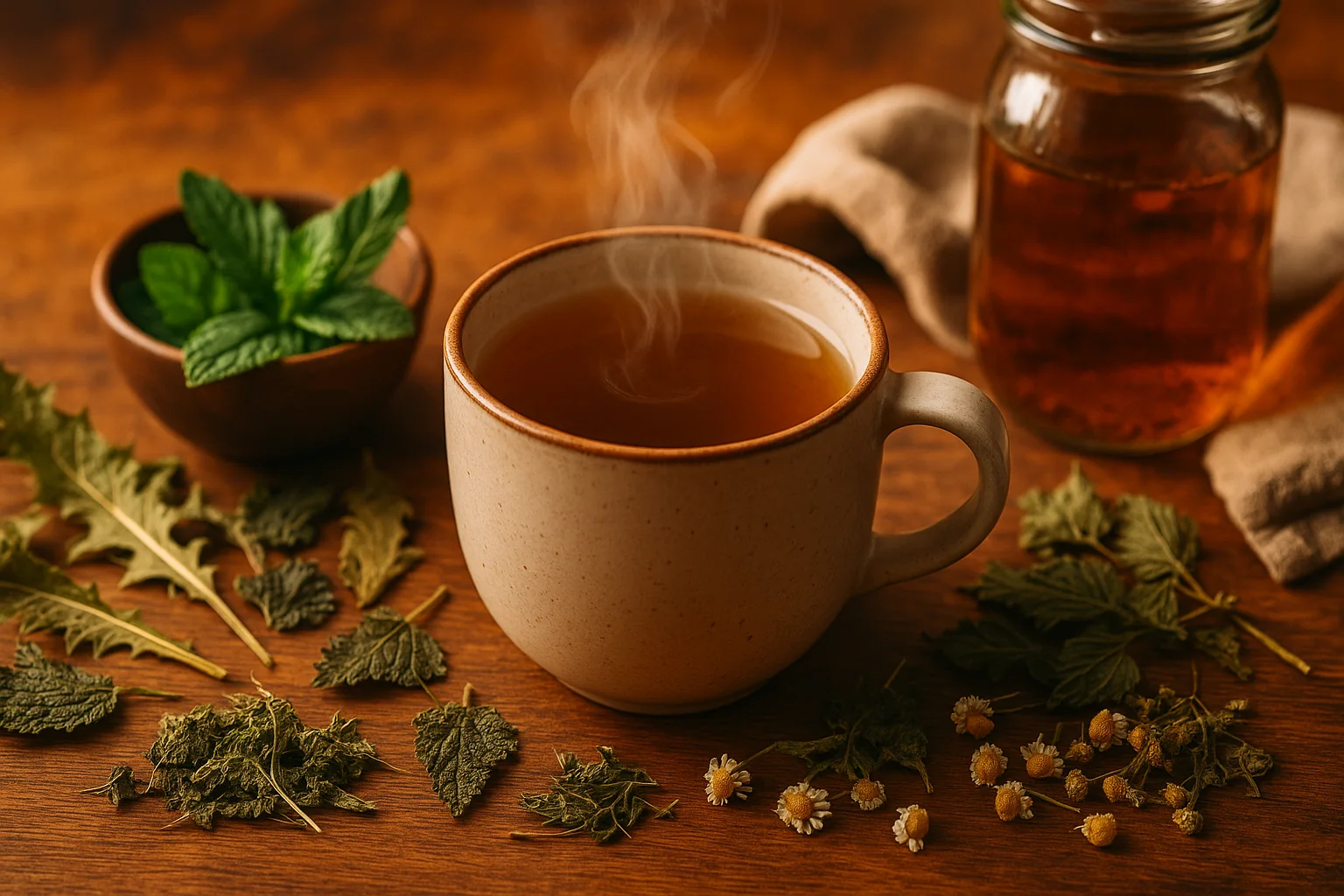
There's a reason your grandmother handed you a cup of tea whenever you felt off. Warm herbal infusions are one of the simplest and most soothing at-home remedies around. Chamomile tea is widely enjoyed for its calming properties, making it a lovely evening ritual when you need to unwind. Peppermint tea has a naturally refreshing quality that many people find comforting after a heavy meal or when they're feeling a bit sluggish. Ginger tea, made with fresh slices steeped in hot water, offers a warming sensation that feels especially good during colder months.
The ritual itself matters too. The act of preparing tea, inhaling the steam, and sitting quietly for a few minutes can be just as comforting as what's in the cup. Keep a small selection of quality herbal teas in your pantry, and you'll always have a gentle option within reach.
2. Epsom Salt Baths for Tired Muscles
After a long day of standing, lifting, or just dealing with stress, a warm bath can feel like a reset button for your body. Adding Epsom salts to the water is a popular practice that many people swear by for soothing tired, achy muscles. The warm water helps promote relaxation, while the magnesium sulfate in Epsom salts is thought to support muscle comfort through the skin.
Aim for water that's comfortably warm, not scalding, and soak for about fifteen to twenty minutes. Light a candle, play soft music, or simply close your eyes. It's not just about the salts. It's about giving yourself permission to pause.
3. Gentle Stretching and Restorative Movement
When your body feels stiff or tense, movement is often more helpful than stillness. But we're not talking about intense workouts here. Gentle stretching, restorative yoga, or even a slow walk around your neighborhood can work wonders for releasing built-up tension.
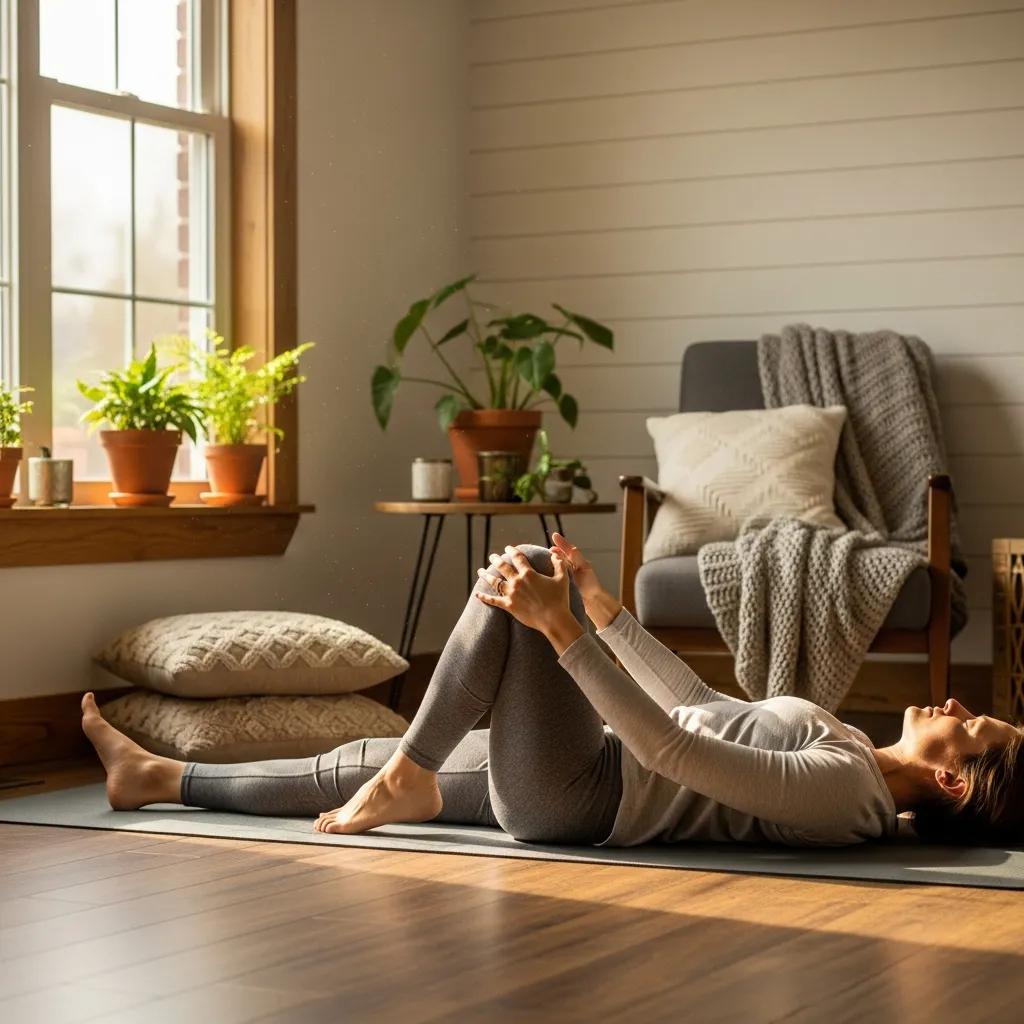
Focus on areas that tend to hold stress: your neck, shoulders, hips, and lower back. Simple moves like child's pose, cat-cow stretches, or lying on your back and pulling your knees toward your chest can bring noticeable relief. The goal isn't to push your limits. It's to listen to your body and give it the gentle attention it's been craving.
4. Heat and Cold Therapy Basics
Sometimes the oldest tricks are still the best ones. A warm compress or heating pad applied to stiff muscles can help increase blood flow and promote relaxation. Many people use this for lower back tightness, menstrual cramps, or shoulder tension.
On the flip side, a cold pack wrapped in a thin towel can be soothing for minor bumps, swelling, or that throbbing sensation that sometimes follows a long day on your feet. The general rule of thumb is heat for stiffness and cold for acute discomfort. Always use a barrier between your skin and the source, and limit applications to about fifteen minutes at a time.
5. Aromatherapy for Mood and Atmosphere
Our sense of smell is deeply connected to how we feel. Lavender essential oil is perhaps the most well-known for promoting a sense of calm, and many people diffuse it in their bedrooms before sleep. Eucalyptus oil offers a crisp, clean aroma that can make a room feel refreshed, especially during seasonal transitions.
You don't need an expensive diffuser to get the benefits. A few drops of essential oil on a cotton ball placed near your pillow, or added to a warm bath, can create a comforting atmosphere. Just be sure to use pure, high-quality oils and never apply them directly to your skin without proper dilution.
6. Honey and Warm Liquids for Throat Comfort
When your throat feels irritated, a spoonful of honey stirred into warm water or herbal tea is a gentle, time-honored approach. Honey has natural soothing properties and can coat the throat in a way that feels immediately comforting. Pair it with lemon for a pleasant flavor boost and a little extra vitamin C.
This remedy is best for adults and children over the age of one. Never give honey to infants under twelve months due to the risk of botulism. And if throat irritation persists for more than a few days, it's worth checking in with a healthcare provider.
What Works at Home vs. When to Seek Help
Knowing when to use at-home remedies and when to call a professional is one of the most important skills you can develop. Here's a helpful way to think about it.
| Good for Gentle At-Home Care | Best Checked by a Professional |
|---|---|
| Minor muscle tension and soreness | Severe or sudden pain, especially in chest or abdomen |
| Mild stress and occasional restlessness | Persistent anxiety, depression, or sleep disorders |
| Occasional throat irritation or dryness | High fever, difficulty swallowing, or symptoms lasting over a week |
| General fatigue and need for relaxation | Unexplained chronic fatigue or sudden energy crashes |
| Minor skin irritation or dryness | Signs of infection, spreading rashes, or allergic reactions |
Benefits & Risks
Potential Benefits
- Cost-effective comfort: Most at-home remedies use inexpensive, widely available items you may already have in your kitchen or bathroom.
- Empowerment: Having a few gentle tools at your disposal can help you feel more in control of your everyday wellness.
- Low risk when used appropriately: Simple practices like warm baths, herbal tea, and gentle stretching carry minimal risk for most healthy adults.
- Stress reduction: The act of caring for yourself at home, even in small ways, can lower stress levels and improve your overall sense of well-being.
Potential Risks or Considerations
- Delayed medical care: Relying solely on home remedies for symptoms that persist or worsen can delay diagnosis of more serious conditions.
- Allergic reactions: Some people are sensitive to certain herbs, essential oils, or even Epsom salts. Always do a small patch test with new topical products.
- Interactions: Herbal supplements and teas can interact with prescription medications. If you're on medication, check with your doctor before introducing new herbal remedies regularly.
- Not suitable for everyone: Pregnant women, children, and people with chronic health conditions should be especially cautious and seek professional guidance.
Expert Tip
Create a comfort kit for your home. Gather your favorite herbal teas, a small bottle of lavender oil, a heating pad, and a cozy blanket in one dedicated basket or drawer. When discomfort strikes, you won't have to scramble. You'll have everything you need in one place, which removes friction and makes self-care feel effortless rather than like another task on your to-do list.
Frequently Asked Questions
How often can I use Epsom salt baths?
For most people, two to three times per week is perfectly fine. If you have any skin conditions, high blood pressure, or are pregnant, it's wise to speak with your healthcare provider before making Epsom salt baths a regular habit.
Can I use essential oils directly on my skin?
Generally, no. Essential oils are highly concentrated and should be diluted with a carrier oil like coconut or jojoba oil before applying to the skin. Some oils, like lavender and tea tree, are commonly used in diluted form, but always do a patch test first and avoid sensitive areas.
Are herbal teas safe to drink every day?
Most herbal teas are safe for daily consumption in moderate amounts. However, some herbs can interact with medications or aren't recommended during pregnancy. Chamomile, peppermint, and ginger are generally well-tolerated, but if you have any health conditions, it's worth confirming with your doctor.
What's the best way to start a gentle stretching routine?
Start with just five to ten minutes, two or three times per week. Focus on basic stretches that feel good, not painful. There are plenty of free, beginner-friendly videos online that guide you through restorative routines. Listen to your body and never force a stretch.
When should I stop using home remedies and see a doctor?
If your symptoms don't improve within a few days, get noticeably worse, or are accompanied by fever, severe pain, difficulty breathing, or any other red flag, seek medical attention promptly. Home remedies are for comfort, not cure.
Final Thoughts
Gentle at-home remedies aren't about replacing modern medicine. They're about filling the gaps with small, meaningful acts of care that help you feel more comfortable in your day-to-day life. A warm cup of tea, a soothing bath, a few minutes of stretching, or the calming scent of lavender can all contribute to a sense of well-being that adds up over time.
The most effective remedy is often the one you'll actually use. So start small. Pick one or two practices from this list that resonate with you and weave them into your routine. Your body and mind will notice the difference, and you might just find that taking care of yourself at home becomes one of the most comforting parts of your day.
Important: This article is for informational purposes only and does not constitute medical advice. If you have persistent symptoms, underlying health conditions, or any concerns about your health, please consult a qualified healthcare professional.
Related Health Topics to Explore
- How to create a calming evening routine
- Best stretches for desk workers
- Natural ways to support better sleep
- Safe essential oils for beginners
- When to use heat vs. ice for muscle discomfort
━━━━━━━━━━━━━━━━━━
🎥 Recommended Video
https://www.youtube.com/results?search_query=gentle+at+home+remedies+for+everyday+comfort
━━━━━━━━━━━━━━━━━━


0 Comments