Most people who struggle to eat well aren’t lacking willpower. They’re lacking a plan that doesn’t require a culinary degree, three hours of free time, and a grocery budget that rivals a car payment. The truth is that healthy eating doesn’t have to be complicated. In fact, the simpler your meals are, the more likely you are to actually make them.
The goal isn’t to become a chef. It’s to build a small collection of dishes you can throw together on autopilot — meals that hit the major food groups, taste good, and don’t leave you with a sink full of pots and pans. When healthy food feels easy, it stops being a chore and starts being just what you eat.
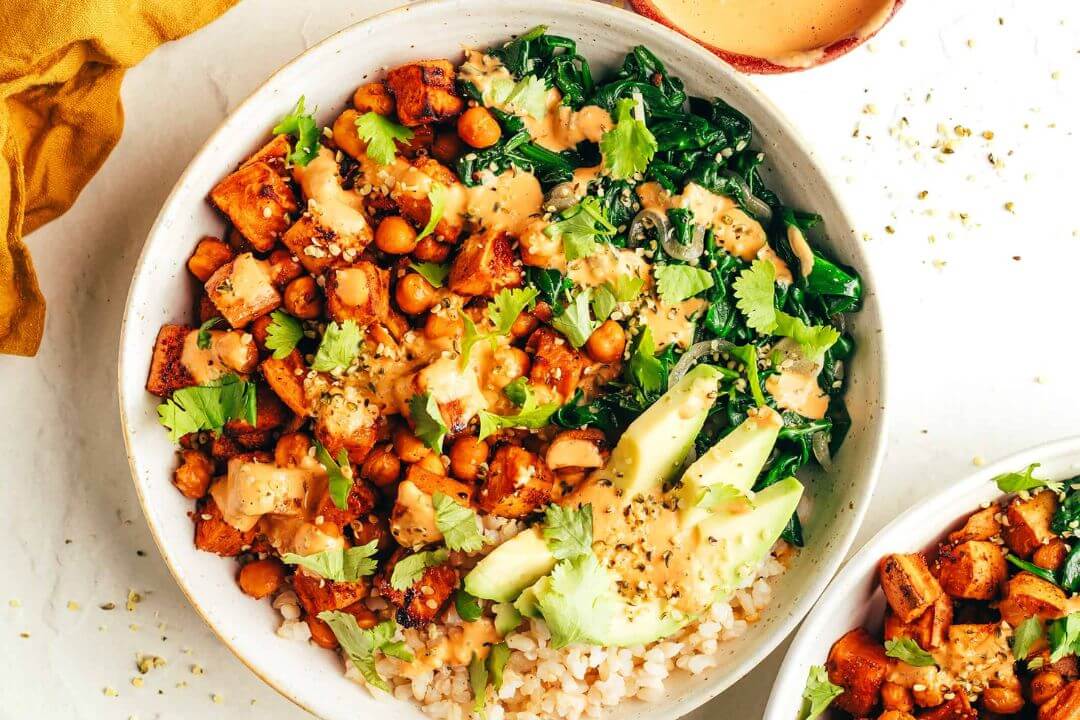
The Bowl Formula: Your New Default Meal
If you only master one healthy dish, make it a grain bowl. The concept is endlessly flexible and nearly impossible to mess up. Start with a base — brown rice, quinoa, couscous, or even cauliflower rice if you want something lighter. Add a protein like grilled chicken, canned chickpeas, black beans, or a quickly pan-seared salmon fillet. Pile on vegetables, raw or cooked. Then finish with a simple dressing or sauce.
The magic is in the structure, not the specific recipe. A bowl of warm quinoa, roasted sweet potato, chickpeas, spinach, and a drizzle of olive oil with lemon juice is balanced, filling, and takes about twenty minutes if you use pre-cooked grains. Swap the quinoa for rice, the chickpeas for tuna, and the sweet potato for whatever vegetable is in your fridge, and you’ve got a completely different meal using the same blueprint. cite🛠web_search:15#0:~:text=We’ve got 100 quick, healthy weeknight dinner recipes that we promise can be made in 40 minutes or less
What makes bowls work for busy people is that they accept imperfection. You don’t need to nail a sauce or time multiple components perfectly. Everything goes in one bowl, and the flavors mingle naturally.
Sheet Pan Dinners: Set It and Forget It
Sheet pan meals are the closest thing to a dinner hack that actually works. You line a baking sheet with foil, toss your protein and vegetables with a little oil and whatever spices you have, and roast everything at 400 degrees for twenty to thirty minutes. That’s it. The oven does the work while you answer emails or decompress.
Some reliable combinations: salmon with asparagus and cherry tomatoes, chicken thighs with broccoli and sweet potato wedges, or turkey sausage with bell peppers and red onion. The key is cutting everything to roughly the same size so it cooks evenly. cite🛠web_search:15#0:~:text=including those that go one-pan, sheet-pan or air-fryer, so they can realistically be made, served and cleaned up in a flash
Cleanup is minimal, especially if you use parchment or foil. And because roasting concentrates flavors and adds caramelization, vegetables taste better than they would steamed or boiled. If you’ve ever thought broccoli was boring, try it roasted with olive oil, garlic powder, and a pinch of red pepper flakes.
Pantry Meals for When the Fridge Is Empty
You don’t need fresh produce to eat well. A well-stocked pantry can produce a nutritious dinner in five minutes. Canned beans, lentils, tuna, and tomatoes are the foundation of countless healthy meals that require zero chopping.
Fast homemade baked beans are a perfect example. Drain a can of cannellini or butter beans, heat them with tomato passata and smoked paprika, and serve over whole-grain toast. Add a poached egg on top if you have one. cite🛠web_search:15#1:~:text=Drain a tin of cannellini or butter beans...Heat with tomato passata, and half a teaspoon of smoked paprika
Another winner is a simple lentil salad. Mix drained ready-to-eat lentils with halved cherry tomatoes, cucumber, and a squeeze of lemon. Or try tuna and sweetcorn pasta: toss quick-cook pasta with low-fat soft cheese, drained tuna, and canned sweetcorn for a balanced meal that feels like comfort food. cite🛠web_search:15#1:~:text=Drain a tin of puy lentils in water. Mix with halved cherry tomatoes, chopped cucumber
These meals shine because they remove the excuse that there’s nothing to eat. When you’re tired and tempted to order delivery, a pantry meal gets food on the table faster than a delivery driver can find your apartment.
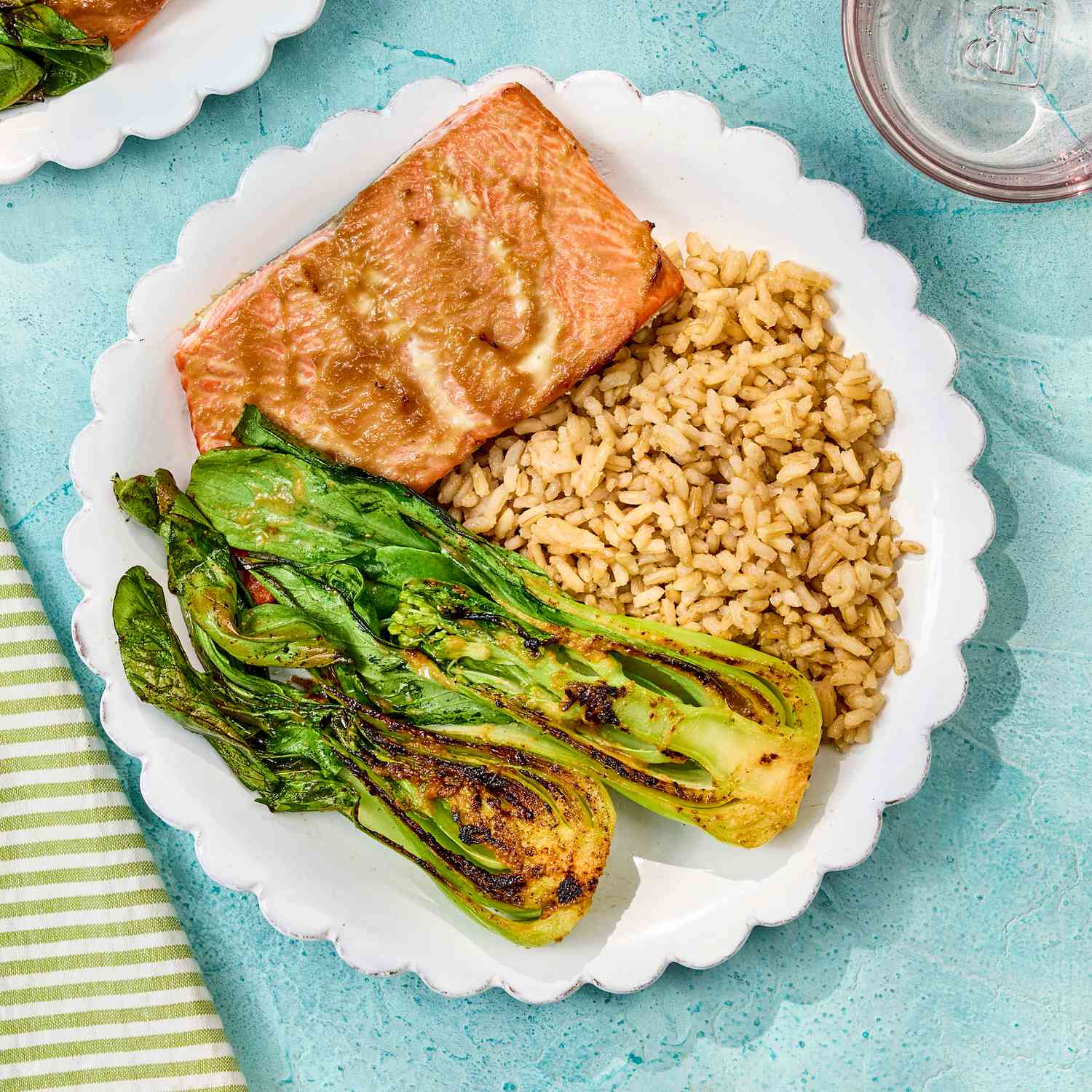
Pasta Upgrades That Actually Fill You Up
Pasta gets a bad reputation in wellness circles, but the problem isn’t the pasta — it’s the portion size and what surrounds it. A simple upgrade is to use whole-wheat pasta for more fiber, then bulk up the dish with vegetables and beans instead of relying on a heavy cream sauce.
Spinach pesto pasta with broccoli rabe and white beans is a great example. The pesto adds flavor, the beans add protein, and the greens add volume without many calories. cite🛠web_search:15#0:~:text=Spinach Pesto Pasta with Broccoli Rabe and Beans...Our creamy pesto is made with fresh spinach, garlic, almonds and lemon
Another trick is to treat pasta as a side rather than the main event. Fill half your plate with a simple salad or roasted vegetables, then add a modest serving of pasta. You still get the satisfaction without the carb overload.
Breakfast for Dinner Is Always Valid
There’s no rule that says eggs are only for mornings. A couple of eggs with sautéed spinach and a slice of whole-grain toast is a perfectly balanced dinner that takes ten minutes. Egg and kimchi rice bowls are even faster — just top warm rice with kimchi, a fried egg, and a drizzle of soy sauce. cite🛠web_search:15#0:~:text=Egg-and-Kimchi Rice Bowls...For maximum flavor factor on this 20-minute meal, break the yolk and mix it with the rice
Porridge works too. A bowl of oats made with milk, topped with frozen berries and a handful of nuts, delivers complex carbs, protein, and healthy fats. It’s inexpensive, comforting, and genuinely nutritious. Don’t let breakfast food’s reputation fool you — it’s some of the simplest healthy cooking there is.
How Simple Cooking Methods Compare
| Method | Active Time | Cleanup | Best For |
|---|---|---|---|
| Grain Bowl | 10-15 minutes | One bowl, one pan | Using leftovers and odds and ends |
| Sheet Pan Dinner | 5 minutes prep | One pan | Hands-off cooking after a long day |
| Pantry Meal | 5 minutes | One pot or bowl | Empty fridge, low energy |
| Simple Pasta | 15-20 minutes | One pot, one pan | Comfort food cravings |
| Egg-Based Dish | 10 minutes | One pan | Fast protein any time of day |
The Benefits and the Realistic Challenges
Benefits:
- Saves significant money compared to takeout and meal kits
- Gives you full control over ingredients, salt, and portions
- Builds cooking confidence through repetition
- Often faster than waiting for delivery
- Creates a sustainable habit rather than a temporary diet
Challenges:
- Can feel repetitive if you don’t vary sauces and spices
- Requires basic pantry staples to be stocked in advance
- Fresh produce needs to be used before it spoils
- Some nights, even ten minutes feels like too much effort
- Social media can make simple meals feel inadequate compared to fancy recipe photos
Expert Tip: Cook Once, Assemble Twice
The smartest way to keep healthy eating simple is to stop cooking full meals from scratch every night. Instead, cook components. On a Sunday or whenever you have thirty minutes, roast a big tray of mixed vegetables, cook a pot of grains, and grill a few chicken breasts or a block of tofu.
Store them separately in the fridge. Then, throughout the week, you assemble rather than cook. Monday becomes a grain bowl. Tuesday becomes a sheet pan reheat with a fresh sauce. Wednesday becomes a quick stir-fry using the pre-cooked protein and whatever vegetables are left. cite🛠web_search:15#2:~:text=Honey Sesame Chicken Meal Prep Bowls...Greek Chicken Rice Bowls that can be made quickly and easily
This approach cuts your weeknight cooking time to under ten minutes while still giving you variety. It also reduces food waste because you’re using the same ingredients in different combinations. The goal isn’t a fridge full of identical pre-made meals. It’s a fridge full of possibilities.
Frequently Asked Questions
Do I need expensive ingredients to eat healthy?
Not at all. Some of the healthiest meals are also the cheapest. Beans, lentils, eggs, oats, frozen vegetables, and canned fish are all inexpensive and incredibly nutritious. The idea that healthy eating requires specialty stores and superfoods is a myth that keeps people from starting.
How do I make vegetables taste good without heavy sauces?
Roasting is the easiest upgrade. High heat with a little olive oil brings out natural sweetness and adds texture. If you’re cooking on the stovetop, finish vegetables with an acid — lemon juice, vinegar, or a squeeze of lime — to brighten the flavor. A pinch of salt and garlic powder goes a surprisingly long way.
Are frozen vegetables as healthy as fresh?
Yes, and sometimes they’re more nutritious. Frozen vegetables are typically picked at peak ripeness and flash-frozen, which preserves vitamins. “Fresh” produce that has been transported for days can lose nutrients along the way. Keep a few bags of frozen broccoli, peas, and spinach on hand for easy additions to any meal.
What if I’m too tired to cook after work?
That’s exactly why pantry meals and breakfast-for-dinner exist. On nights when you have zero energy, a can of beans on toast with a fried egg, or a bowl of oatmeal with peanut butter and banana, is infinitely better than skipping dinner or defaulting to fast food. Give yourself permission to make the easiest possible healthy choice.
Can I lose weight eating simple dishes like these?
Possibly, but that depends on portions and overall habits. These meals are balanced and nutrient-dense, which naturally supports healthy weight management. But no single dish causes weight loss. Focus on building consistent habits, eating slowly, and stopping when you’re full. If you have specific weight or health goals, consider consulting a registered dietitian for personalized guidance.
Final Thoughts
Healthy eating doesn’t require perfection, elaborate recipes, or a complete lifestyle overhaul. It requires a handful of simple dishes you can make without thinking too hard. Grain bowls, sheet pan dinners, pantry meals, and upgraded pastas are the workhorses of a realistic, sustainable approach to nutrition.
The moment you stop trying to cook like a food blogger and start cooking like someone who needs to eat well and get on with their life, everything changes. Your meals become faster, cheaper, and less stressful. And most importantly, they actually get made.
🎥 Recommended Video
Watch: Easy Healthy Meals for Beginners — Simple Recipes Anyone Can Make


0 Comments